
Where sachet packing fits
A sachet is a flat, single-portion pack, most often sealed on all four sides. Most configurations in this family are multi-lane machines that form, fill and seal several sachets per cycle. Tea bag machines that pack tea into inner and outer bags are also grouped here.
The 19 configurations cover ketchup, mustard and other sauces, shampoo, lotion, facial cream and hand sanitizer, energy gels, drink granules, protein and pharmaceutical powders, and tea. Reference models include the LV-350X for granules, the LV-450X for cosmetic lotion and the LV-400Y for ketchup.
- Sauces and condiments such as ketchup and mustard
- Shampoo, lotion, hand sanitizer and other liquids
- Drink granules, protein powders and supplement powders
- Tea packed into inner and outer bags
How a multi-lane sachet machine works
Depending on the design, film from one slit reel or from two reels is brought together face to face. Vertical sealers make the side seals for each lane, product is dosed into the open lanes, and horizontal jaws make the cross seal before a knife cuts the sachets apart or leaves them joined in strips.
Tea configurations work differently. Tea is dosed into an inner filter bag, usually with thread and tag, and the inner bag is then enclosed in an outer envelope. The filter material, thread, tag and outer envelope all need to be specified.
Define the sachet format
Specify the seal arrangement, usable fill area, opening feature and print registration. A sachet and a narrow stick pack are separate format decisions.
- Three-side or four-side seal requirement
- Finished sachet dimensions and product headspace
- Coding position, tear notch and perforation needs
- Single sachets or sachets left joined in strips
- Print registration and the position of the eye mark
Dosing liquids, pastes and powders
Liquids are the most common product in this family, and they are where most sealing problems start. The dosing system has to deliver the portion without drips, foam or splashes reaching the seal area.
- Piston pumps for sanitizer, shampoo, lotion and ketchup
- Rotary piston or lobe pumps and anti-clogging nozzles for sauces with particles, such as mustard
- Anti-foaming nozzles for shampoo and other foaming liquids
- Jacketed or temperature-controlled hoppers for gels whose viscosity changes with temperature
- Servo augers for protein and pharmaceutical powders, and volumetric cups for free-flowing granules
Review filling and film together
Share the product properties and film sample so dosing, product clearance from the seal and sealing conditions can be reviewed as one configuration.
Check that the product is compatible with the film's sealing layer, especially for alcohol, oils and fragrances. For alcohol-based sanitizer and other flammable liquids, state the hazardous-area requirements of your site; the electrical design has to be confirmed against them.
- Film laminate, foil or paper-based structure
- Product temperature and viscosity at the filling point
- Cleaning method and frequency for product-contact parts
Counting, cartoning and related routes
Sachets are usually counted into cartons, display boxes or outer bags. Plan how finished sachets leave the machine and whether counting and cartoning are part of the project.
If the product is a powder in a narrow pour-out format, compare the stick pack route. For sauces in rigid portion cups, see the filling family.
What to send for an evaluation
A useful first enquiry includes the product description and safety data where relevant, a finished sachet or drawing, the film specification, the dose volume or weight and the output you need. Agree the product and film quantities for any trial before shipping.
Questions buyers ask about sachet machines
Can one sachet machine run liquids and powders? Only if both dosing systems are included and changed over. Pumps and augers are different assemblies.
Why do liquid sachets leak at the seal? The usual causes are product or foam on the seal area, drips from the nozzle, a film that does not suit the product, or seal settings outside the film's window. A trial with your own product and film is the way to check.
How many lanes do I need? It follows from the sachet width, the film width the machine accepts and the output you need. Lane count and output are confirmed together for each configuration.
Can parts be cleaned in place? Some configurations are described as ready for cleaning in place. Define your cleaning procedure and ask which parts are cleaned in place and which are removed.
19 models and configurations
Open a model to review its configuration, specifications and supporting information.
19 / 19 configurations
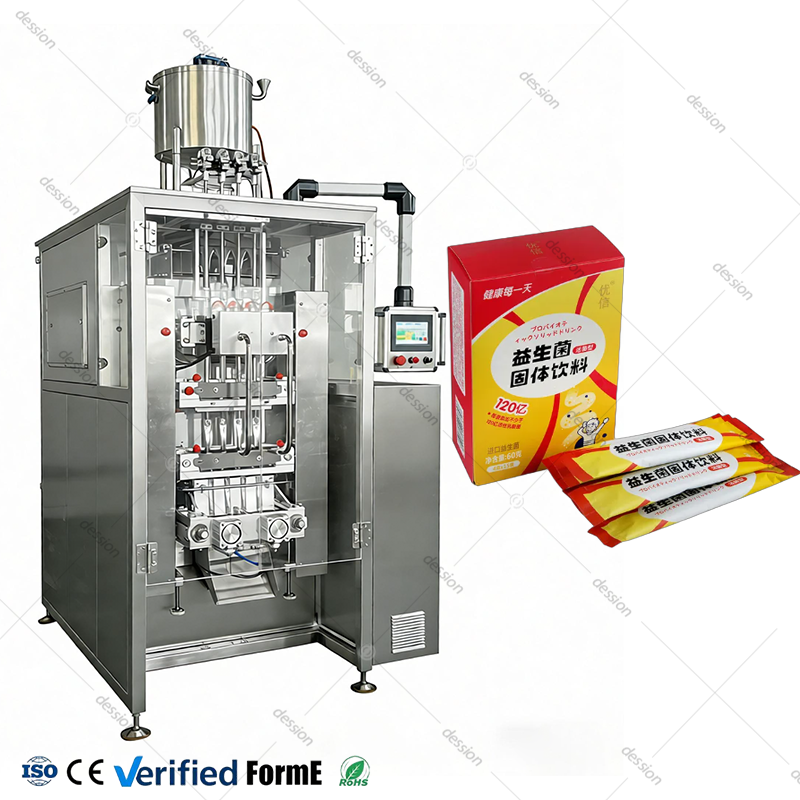
LV-350X — Four-Side Seal Granule Sachet Machine
A multi-lane sachet packaging configuration for solid beverage granules and similar granular products.
View configuration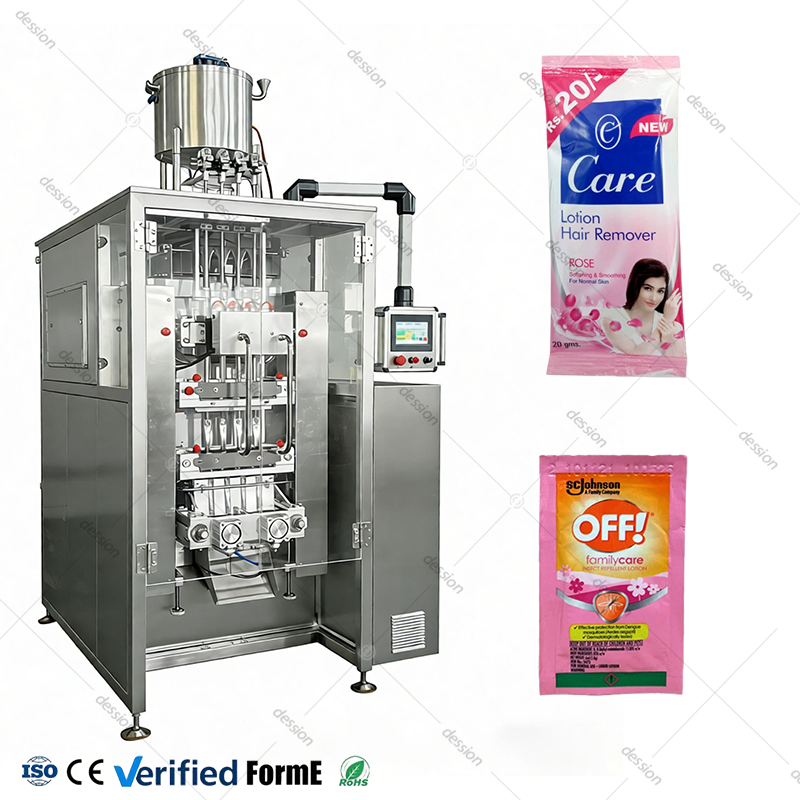
LV-450X — 4 lanes cosmetic lotion small bag filling machine multi lines facial cream sachet packing machine
4 lanes cosmetic lotion small bag filling machine multi lines facial cream sachet packing machine. Confirm the product, pack format and scope with LINEVO.
View configuration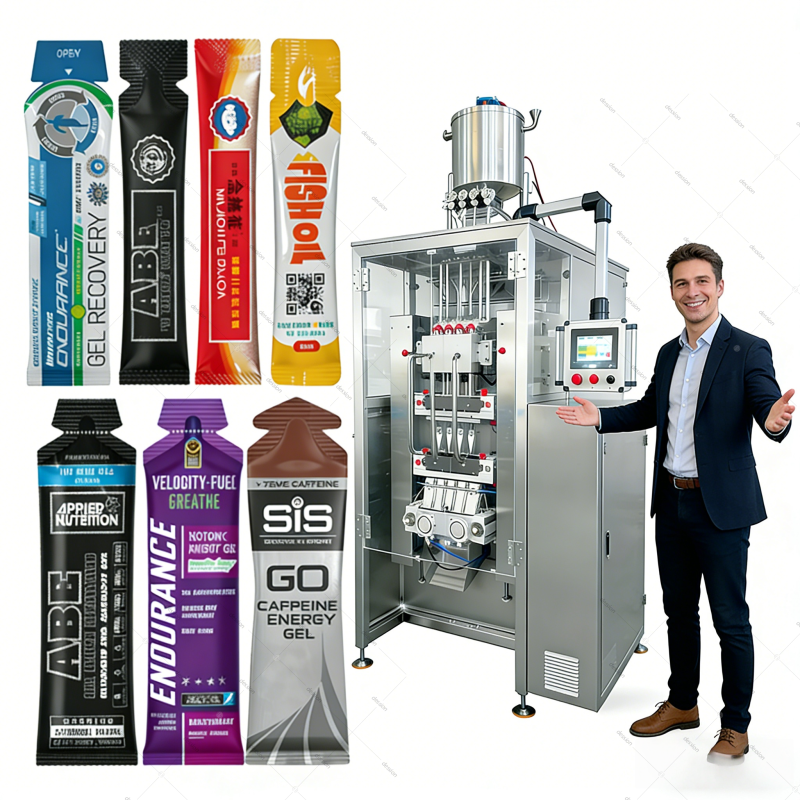
4 lanes Solid beverage granule small bag filling machine multi lines sachet packing machine
4 lanes Solid beverage granule small bag filling machine multi lines sachet packing machine for instant coffee powder/granules, milk tea granules.
View configuration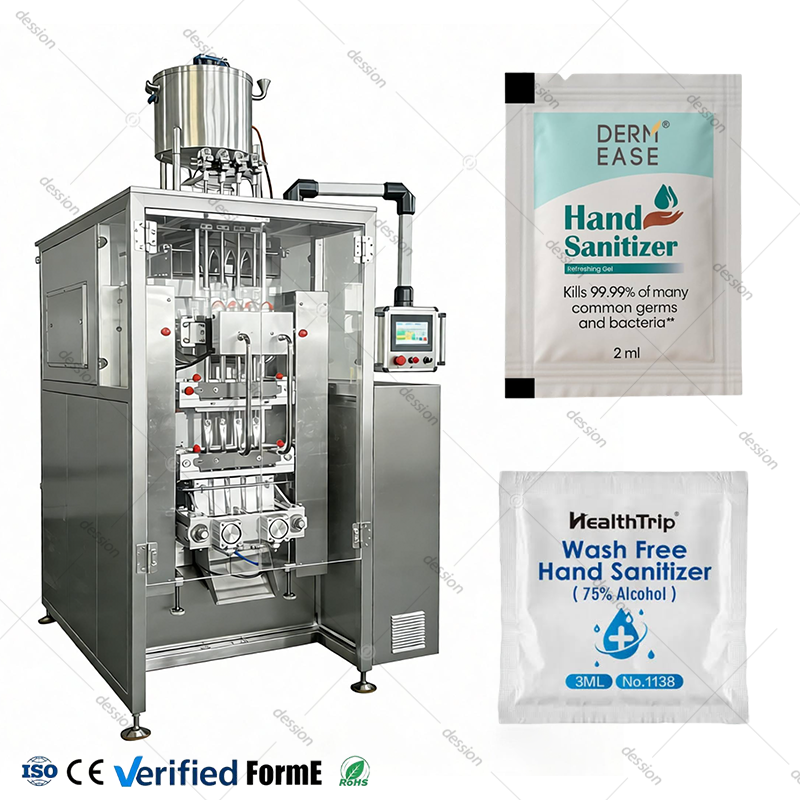
automatic 4 sides seal hand sanitizer sachet packaging machine in 4 lanes filling sealing packing machine
Automatic 4 sides seal hand sanitizer sachet packaging machine in 4 lanes filling sealing packing machine.
View configuration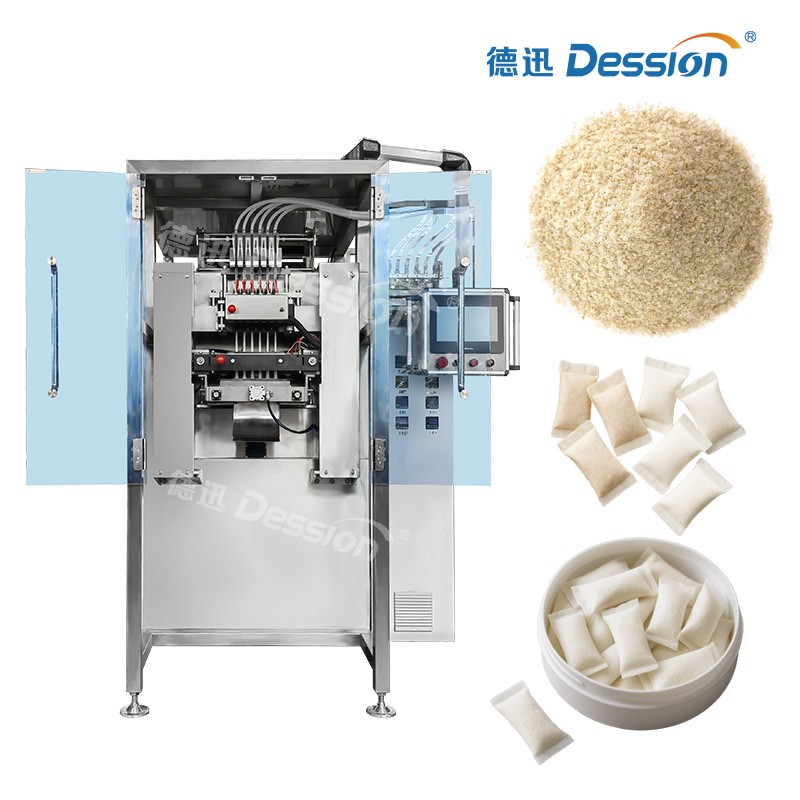
LV-400B/D — Automatic Gum-Style Pouch Powder Packaging Machine — 0.5g/1g Granular Nicotine Snuff Stick Filling and Packaging Machine
Automatic Gum-Style Pouch Powder Packaging Machine. Confirm the product, pack format and scope with LINEVO.
View configuration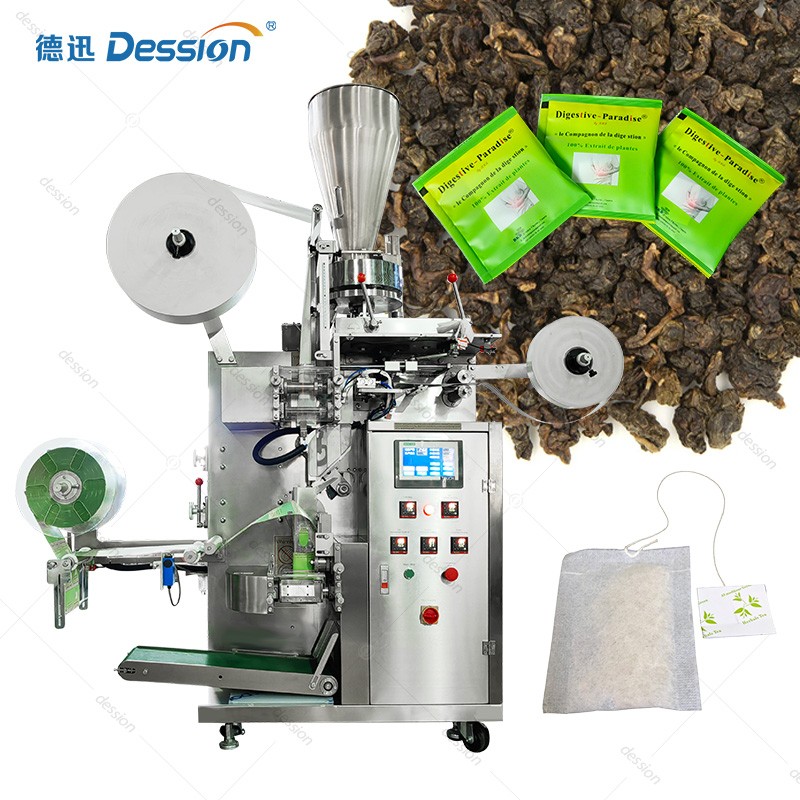
Automatic High-Speed Inner and Outer Bag Tea Packaging Machine
Automatic High-Speed Inner and Outer Bag Tea Packaging Machine. Source-listed applications: Tea Roasters & Blenders; Premium Tea & Healthcare Brands.
View configuration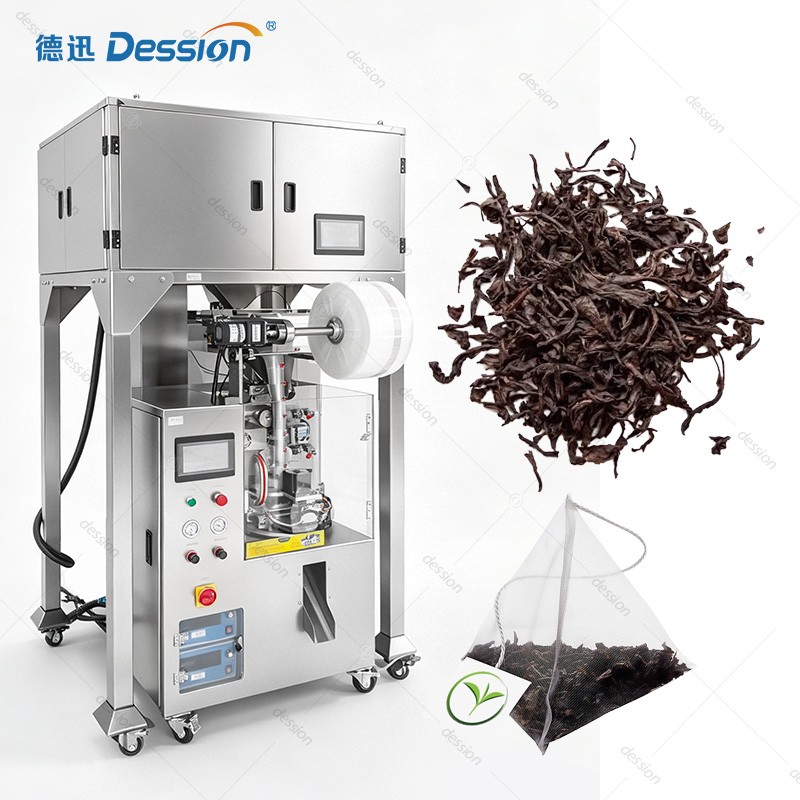
Automatic High-Speed Tea Packaging Machine
Automatic High-Speed Tea Packaging Machine. Confirm the product, pack format and scope with LINEVO.
View configuration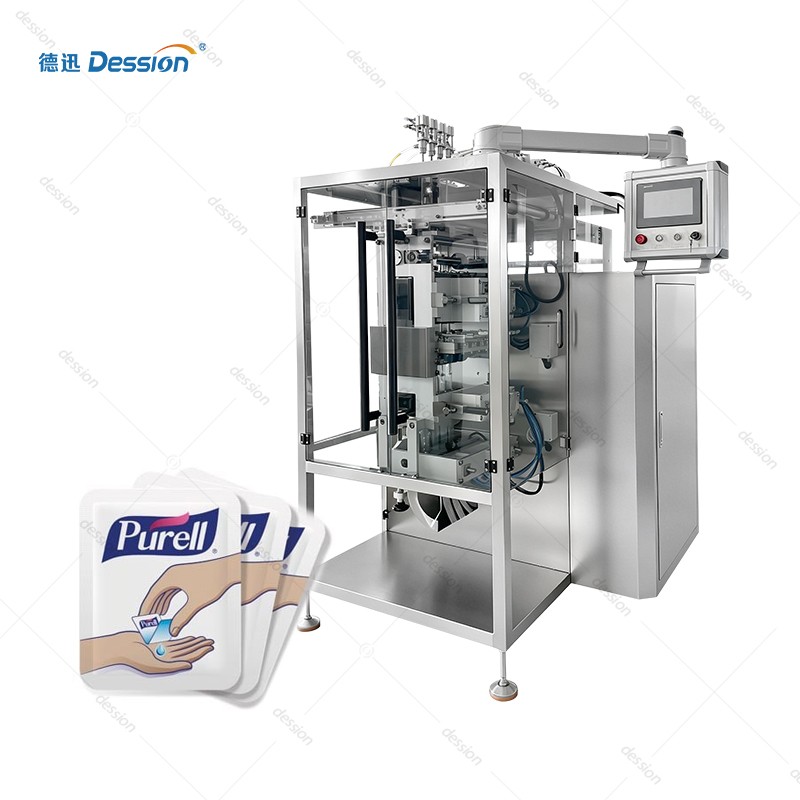
Automatic Multi-Lane 4-Side Seal Liquid Packaging Machine for Hand Sanitizer
High-Speed Multi-Lane VFFS Packaging Solution with 4-Side Seal Technology for Hand Sanitizer, Alcohol Gel, and Antiseptic Liquids.
View configuration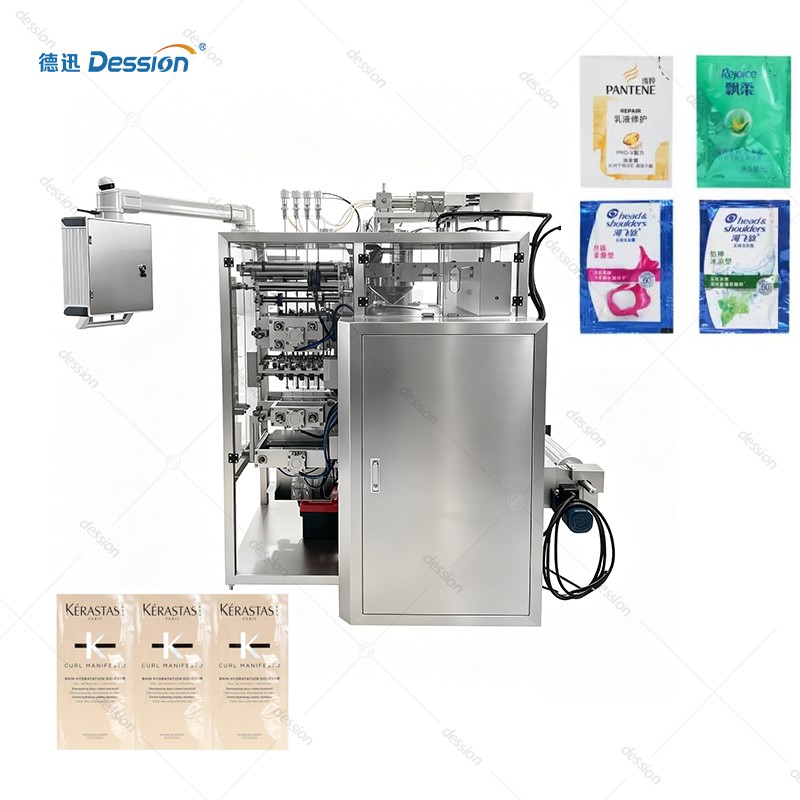
Automatic Multi-Lane Liquid Sachet Packaging Machine for Shampoo
High-Speed Multi-Lane VFFS Packaging Solution with Anti-Drip Technology for Shampoo, Lotion, and Liquid Soap.
View configuration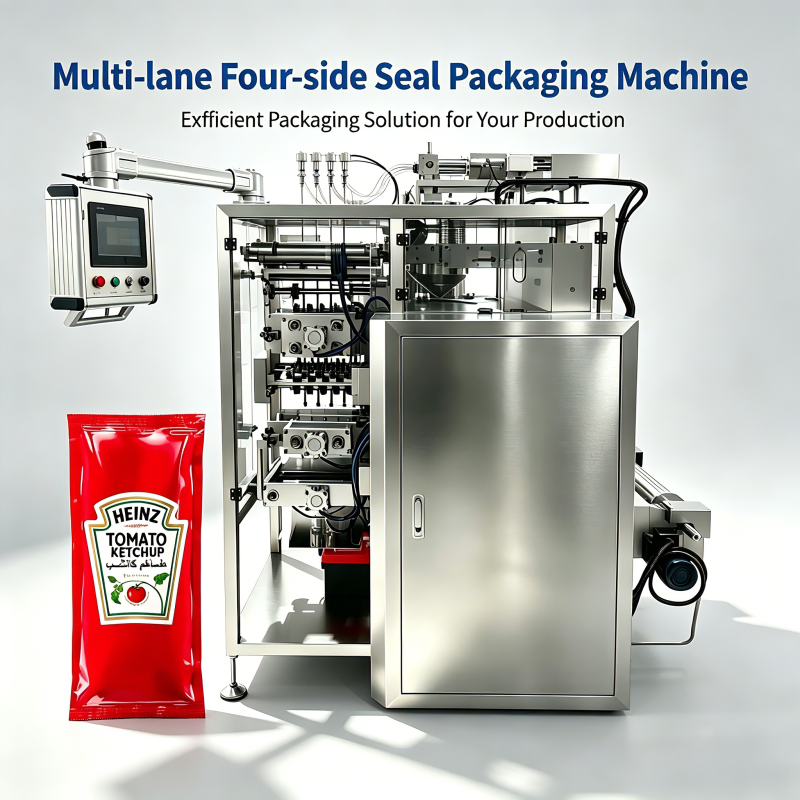
LV-400Y — fully automatic ketchup tomato sauce sachet 4 sides sealing packaging machine
Fully automatic ketchup tomato sauce sachet 4 sides sealing packaging machine. Source-listed applications: Sauces & Condiments; Daily Cosmetics & Chemicals.
View configuration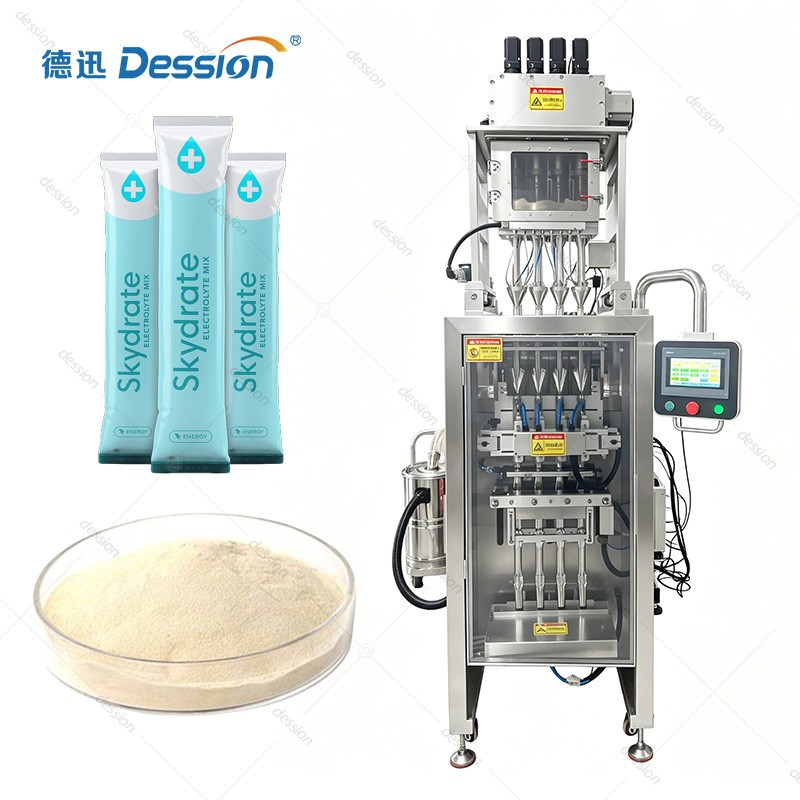
High-Precision Multi-Lane Vertical Form Fill Seal Machine for Pharmaceutical Powders | cGMP-Compliant VFFS with Auger Dosing for Probiotics & Nutraceuticals
High-Precision Multi-Lane Vertical Form Fill Seal Machine for Pharmaceutical Powders. Source-listed applications: Pharmaceutical & Nutraceutical Co-Packers.
View configuration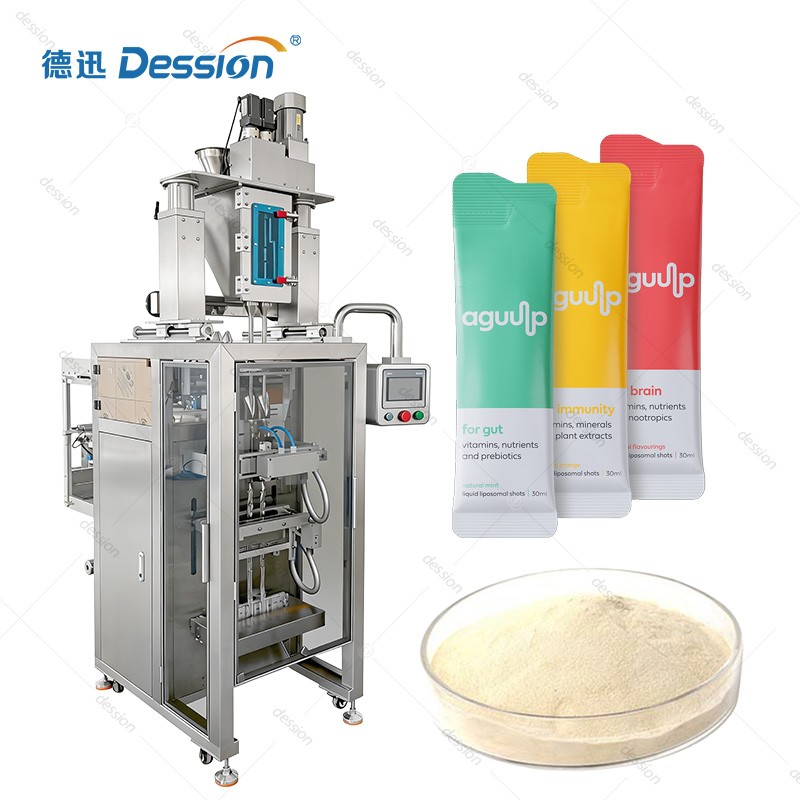
High-Speed Multi-Lane Pharmaceutical Powder VFFS Packager | Modular Quick-Change for Flexible Nutraceutical & Supplement Co-Packing
Modular Quick-Change VFFS Line for Flexible Nutraceutical & Supplement Co-Packing. Confirm the product, pack format and configuration with LINEVO.
View configuration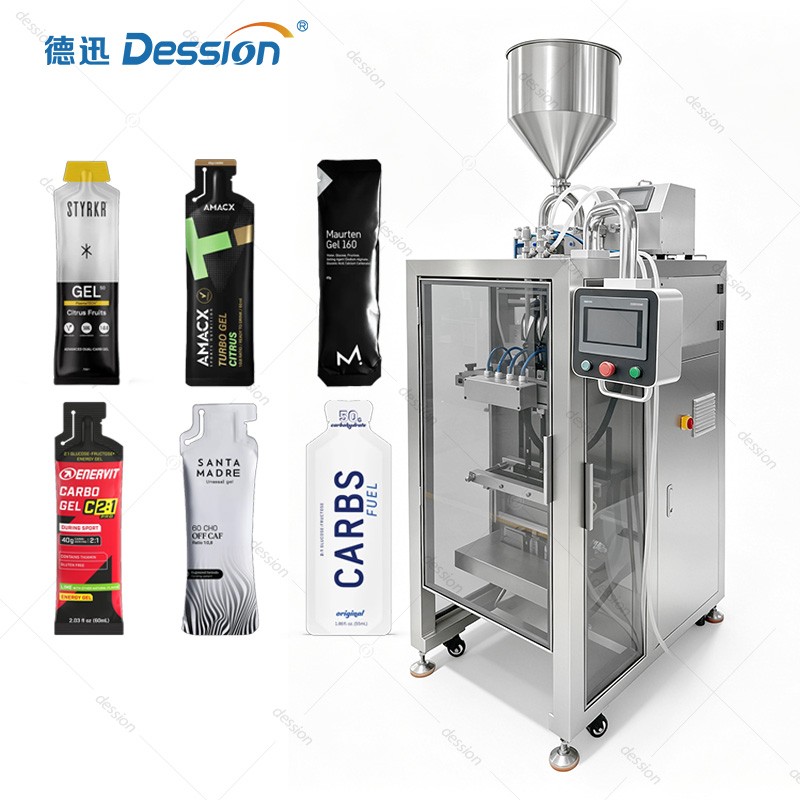
Multi-Lane Energy Gel Pouch Machine for Particulate-Rich Nutritional Gels
Multi-Lane Energy Gel Pouch Machine for Particulate-Rich Nutritional Gels. Confirm the product, pack format and scope with LINEVO.
View configuration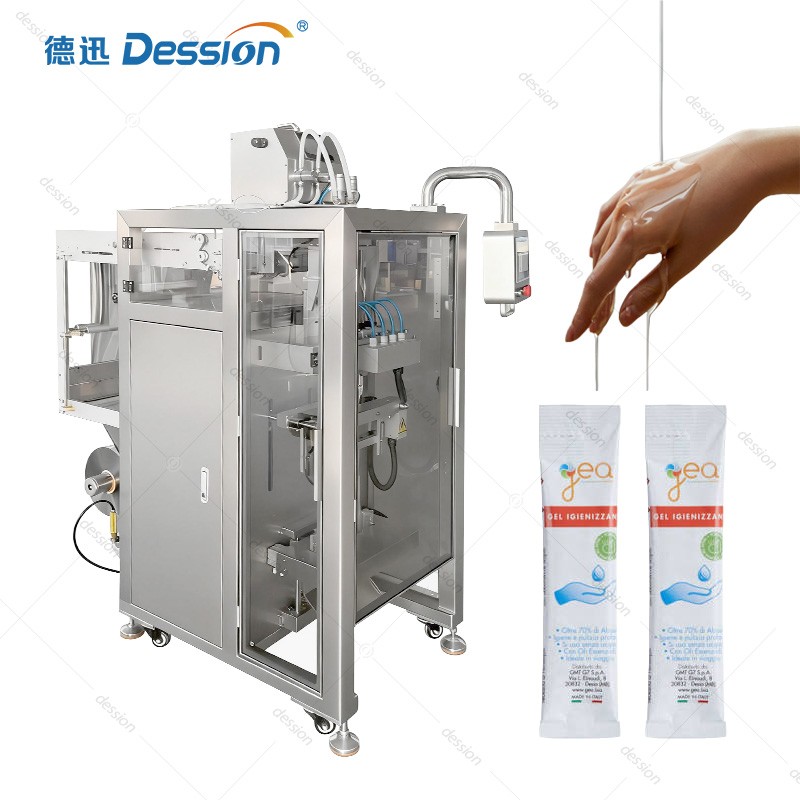
Multi-Lane Hand Sanitizer Sachet Machine with Anti-Explosion Safety Standards
Multi-Lane Hand Sanitizer Sachet Machine with Anti-Explosion Safety Standards. Source-listed applications: Healthcare & Sanitation Co-Packers.
View configuration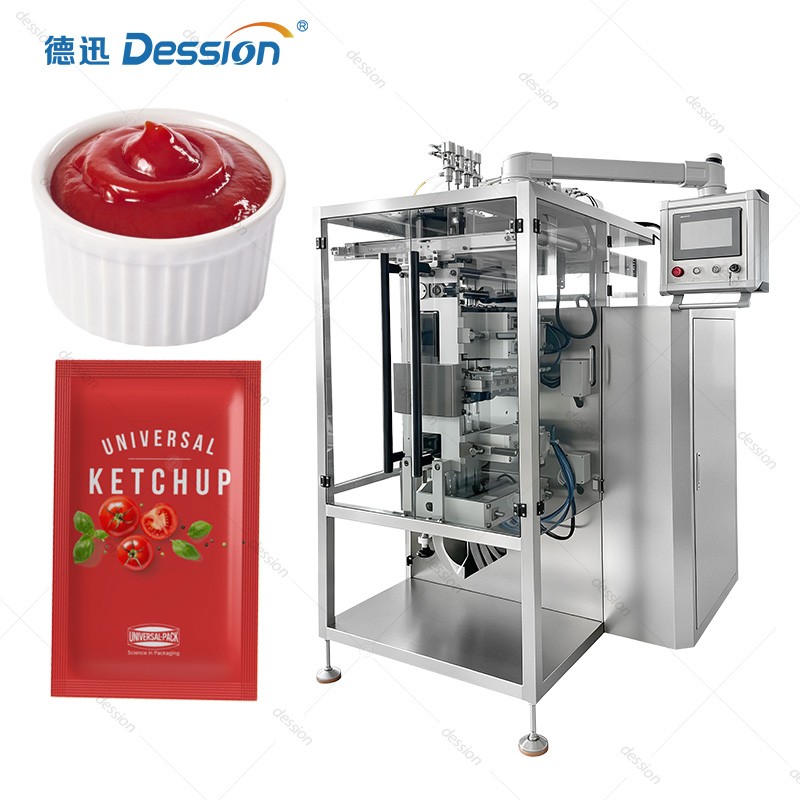
Multi-Lane Ketchup Sachet Packing Machine with Sanitary Anti-Dripping Pumps
High-Efficiency Multi-Lane Four-Side Seal Liquid Sachet Bagger with Precision Piston Dosing & CIP-Ready Sanitary Build.
View configuration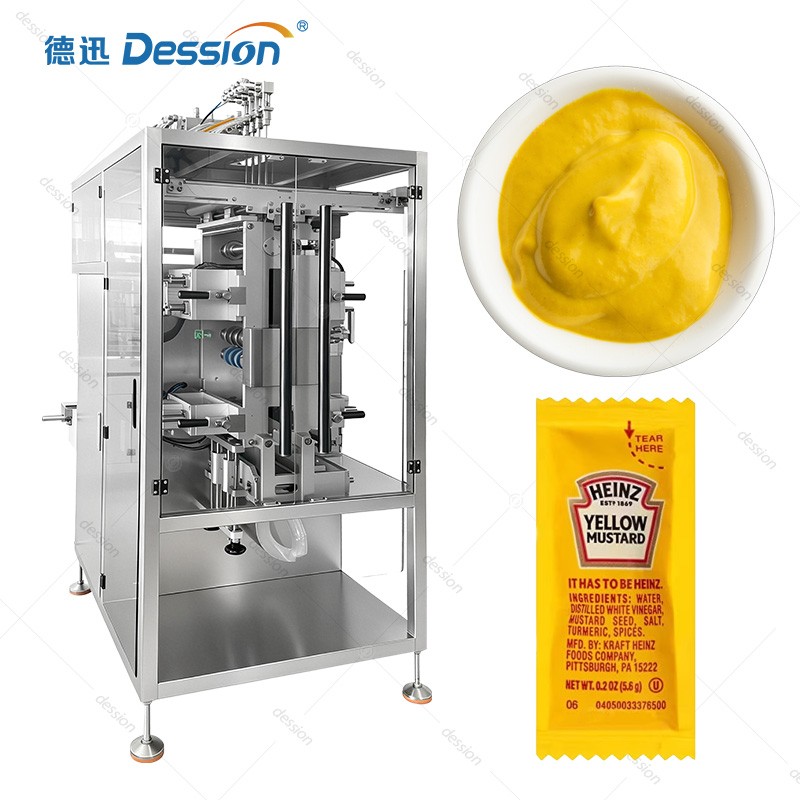
Multi-Lane Mustard Sachet Packing Machine for Particle-Rich Sauces
Industrial High-Precision Multi-Lane Four-Side Seal Sachet Line for Sauces with Solid Particles & Textures.
View configuration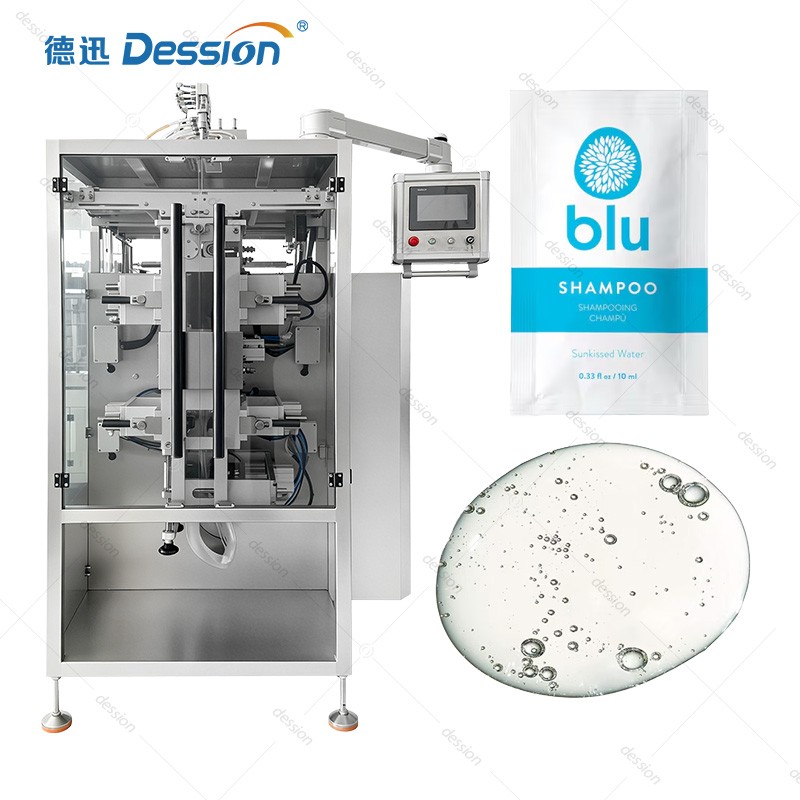
Multi-Lane Shampoo Sachet Packing Machine with Anti-Foaming Dosing System
Industrial Multi-Lane Sachet Line with Precision Piston Dosing & Anti-Foaming Nozzle Technology. Confirm the product, pack format and configuration with LINEVO.
View configuration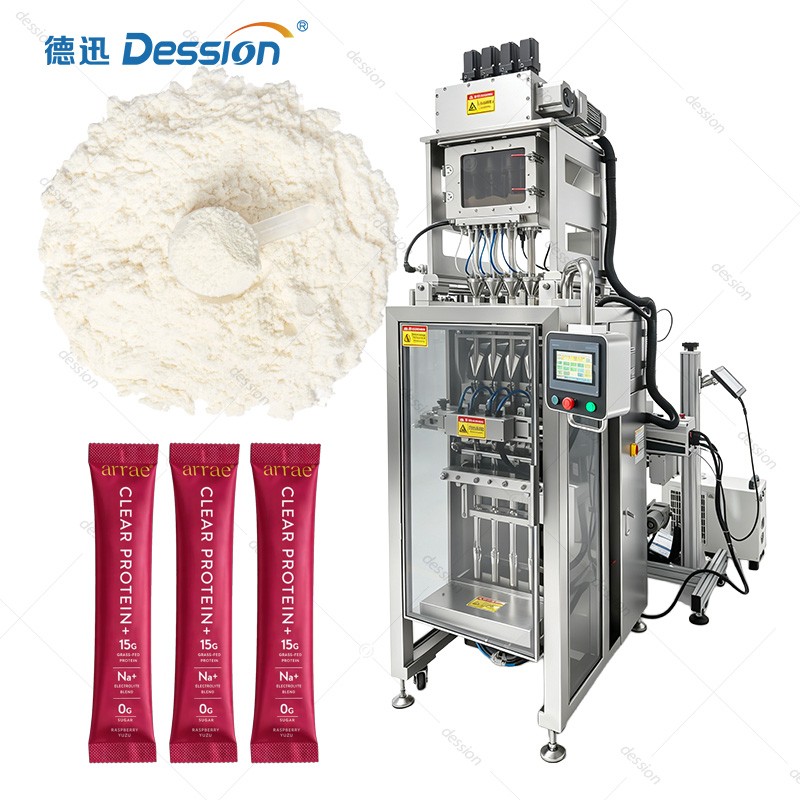
Multilane Powder Sachet Packaging Machine with Servo Auger Filler for Protein Mix
High-Efficiency Multi-Lane Four-Side Seal Sachet Bagger with Independent Servo Auger Dosing Matrix & Passive Dust-Controlled Sealing.
View configuration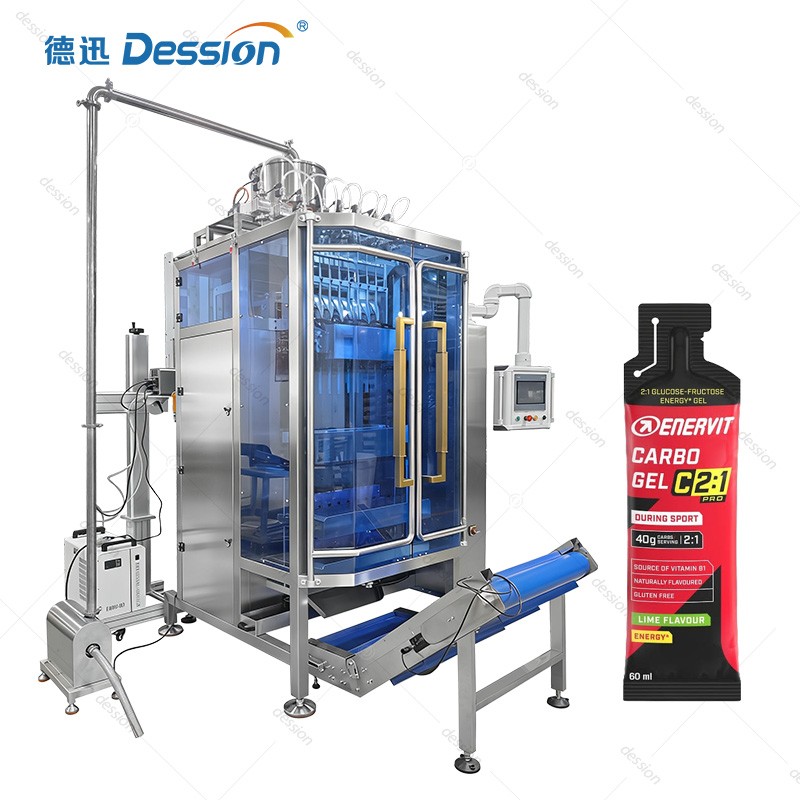
Sanitary Multi-Lane Liquid Sachet Packing Machine for Sports Gel and Supplements
Sanitary Multi-Lane Liquid Sachet Packing Machine for Sports Gel and Supplements. Source-listed applications: Nutriceutical & Sports Nutrition Co-Packers.
View configuration