
Where automatic cartoning fits
An automatic cartoner takes flat folding carton blanks, erects them, loads the product and closes the carton. It is usually the secondary packaging step after a wrapper, stick pack machine, blister machine or filler.
The 47 configurations in this family cover tea bags and tea boxes, coffee capsules and pods, stick packs, grain and protein bars, chocolate and confectionery, lipsticks and cosmetic bottles, sheet masks, tablets, blister packs and bottles, frozen pizza, bar soap and hardware such as screws. Reference models include the LV-180 for tea bags, the LV-GS150 for pharmaceutical bottles and blister packs, and the LV-250B/D for chocolate bars.
- Tea bags, coffee capsules, pods and stick packs
- Bars, chocolate and confectionery
- Cosmetics, sheet masks, blister packs and bottles
- Frozen pizza, soap and hardware parts
How a cartoning machine works
Most loading faults begin at the infeed. Products need to arrive in a consistent orientation and count, so the product feeding arrangement is usually the most project-specific part of a cartoner.
- Carton magazine and pick-up of a flat blank
- Carton erecting and transfer to the carton chain
- Product infeed, counting and grouping into buckets or pockets
- Loading by pusher, pick-and-place or gravity drop
- Leaflet folding and insertion, where required
- Flap closing by tuck-in or glue
- Coding, inspection and rejection, where included
- Discharge to overwrapping, case packing or palletizing
Start with the product and carton
Define the product orientation, number of items per carton, carton dimensions and closing method before selecting the loading system.
- Product samples, leaflet or insert requirements
- Carton board, dimensions and closure
- Feeding method and integration with primary packaging
- Flat carton blanks from your carton supplier, for checking erecting and closing
Horizontal and vertical loading
Most configurations in this family are horizontal, end-loading cartoners. Products are pushed into the open end of the carton from the side, which suits bars, blister packs, tubes, soap and grouped sachets.
Vertical, top-loading configurations drop or place the product into the carton from above. The catalog shows this for coffee pods counted by a vibratory bowl and dropped into the carton, and for perfume bottles placed into boxes. Fragile or high-value items such as lipsticks, sheet masks and pizza use pick-and-place or vacuum-assisted loading in several configurations.
Closing, leaflets and coding
Tuck-in closing needs no glue and suits cartons that the consumer reopens. Glue closing with a hot-melt system gives a sealed carton and is common for food and cartons that go on to overwrapping or shipping.
Leaflet insertion, batch coding, serialization labels and vision inspection appear on some configurations. They add stations, controls and verification work, so do not assume any of them are standard inclusions.
- Tuck-in or glued flaps, and the glue type if glued
- Leaflet size, folding pattern and position in the carton
- Code type and position: inkjet, embossing or label
- Checks for missing product, missing leaflet and open flaps
Review loading and line interfaces
Automatic loading, coding, inspection and case packing depend on the proposed configuration. Review the scope and trial conditions with the LINEVO team.
When the cartoner is fed directly by a flow wrapper, stick pack machine or capsule filler, the machines must agree on product pitch, stop and start signals and a buffer for short stoppages. Several configurations are presented as integrated lines from primary packaging to carton.
What to send for an evaluation
Send finished products as they leave your primary packaging, flat carton blanks and a closed sample carton, any leaflets, the count per carton and the output you need. A short video of the current process helps. Quantities for any trial are agreed with the team before shipping.
Questions buyers ask about cartoning machines
Should I choose a horizontal or vertical cartoner? Horizontal end-loading suits products that can be pushed in from the side. Vertical top-loading suits products that are dropped or placed in, such as bottles and pods. The product decides.
How many carton sizes can one cartoner run? Several, within its range, with change parts for the carton chain, product buckets and folding guides. List each carton size and product count.
Can the cartoner connect to my existing wrapper or filler? Usually, if the interface signals, product pitch and speeds are agreed. Send details of the existing machine so the interface can be reviewed.
47 models and configurations
Open a model to review its configuration, specifications and supporting information.
47 / 47 configurations
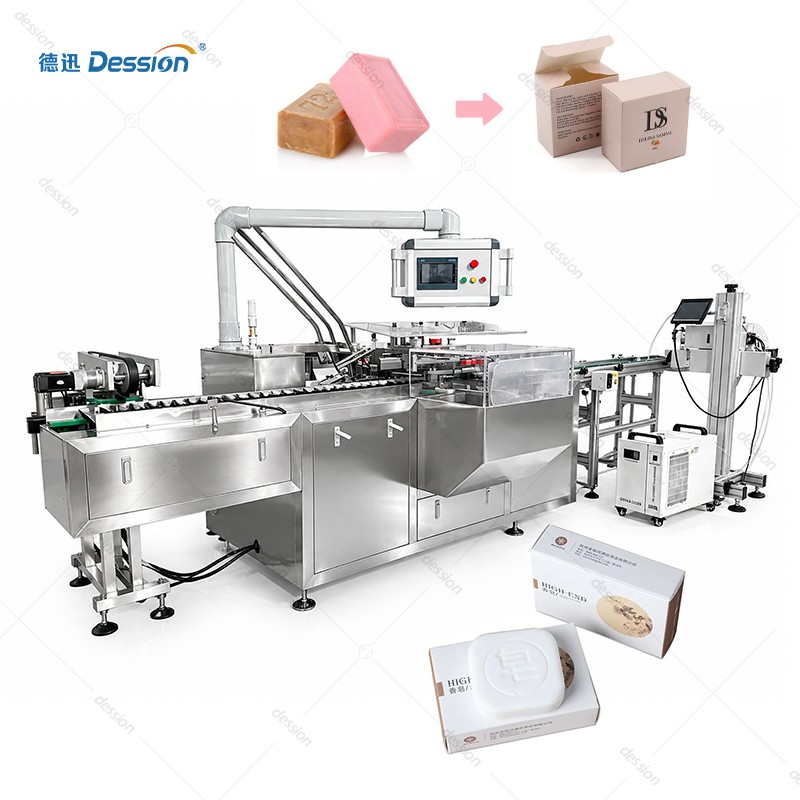
Automatic Cartoning Machine for Bar Soaps & Toilet Soaps
High-Speed Horizontal Cartoning Solution for Bar Soaps, Toilet Soaps, Hotel Soaps, and Solid Cleansing Bars.
View configuration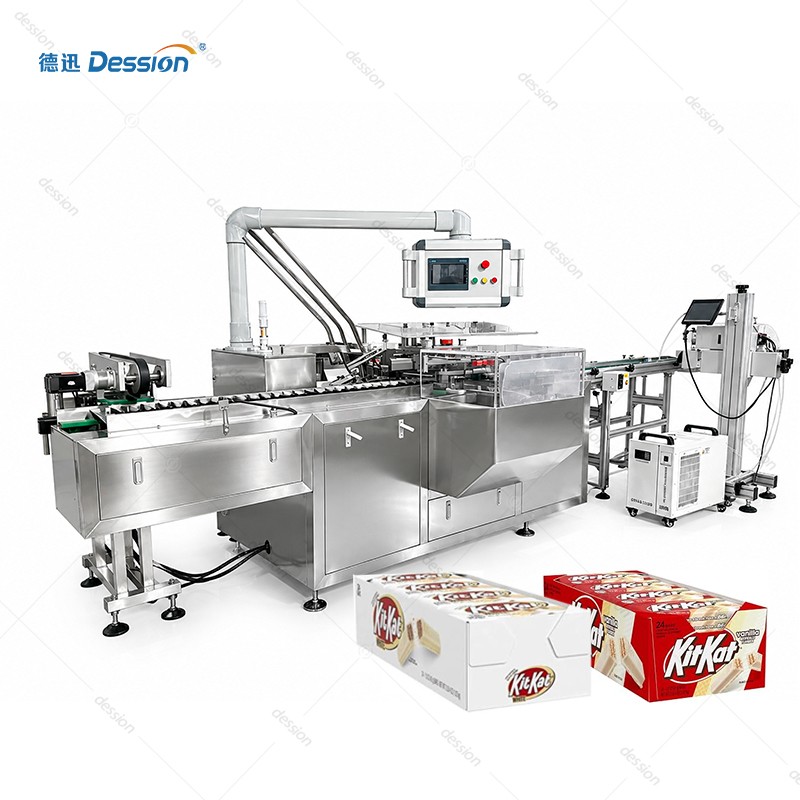
Automatic Cartoning Machine for Candy Bars & Wafer Sticks
High-Speed Horizontal Cartoning Solution for Multipack Candy Bars, Wafer Sticks, Protein Bars, and Confectionery Snacks.
View configuration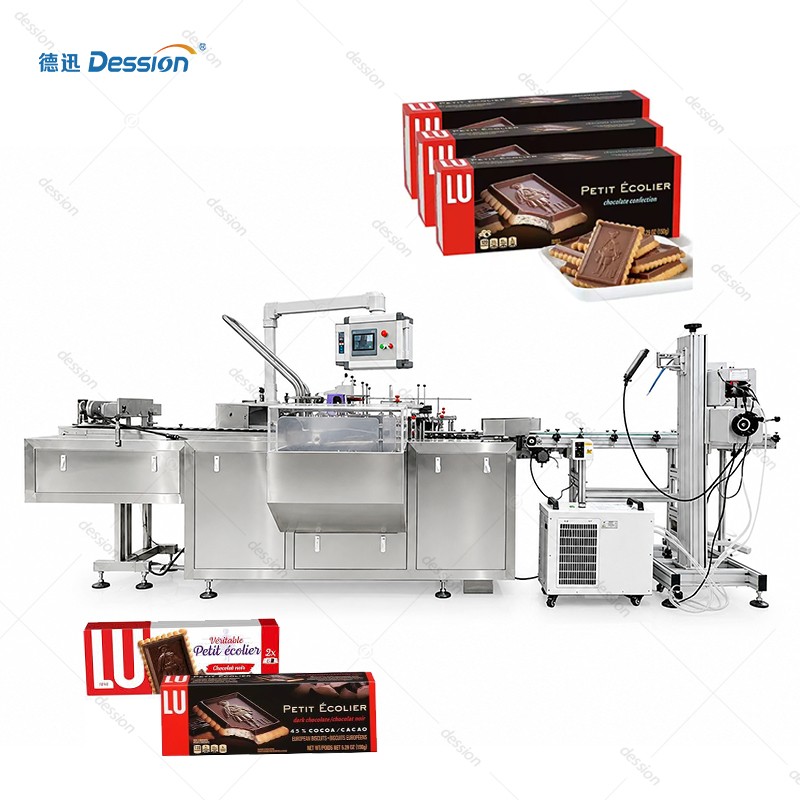
Automatic Cartoning Machine for Chocolates & Confectionery
High-Speed Horizontal Cartoning Solution for Boxed Chocolates, Confectionery Gifts, and Confectionary Assortments.
View configuration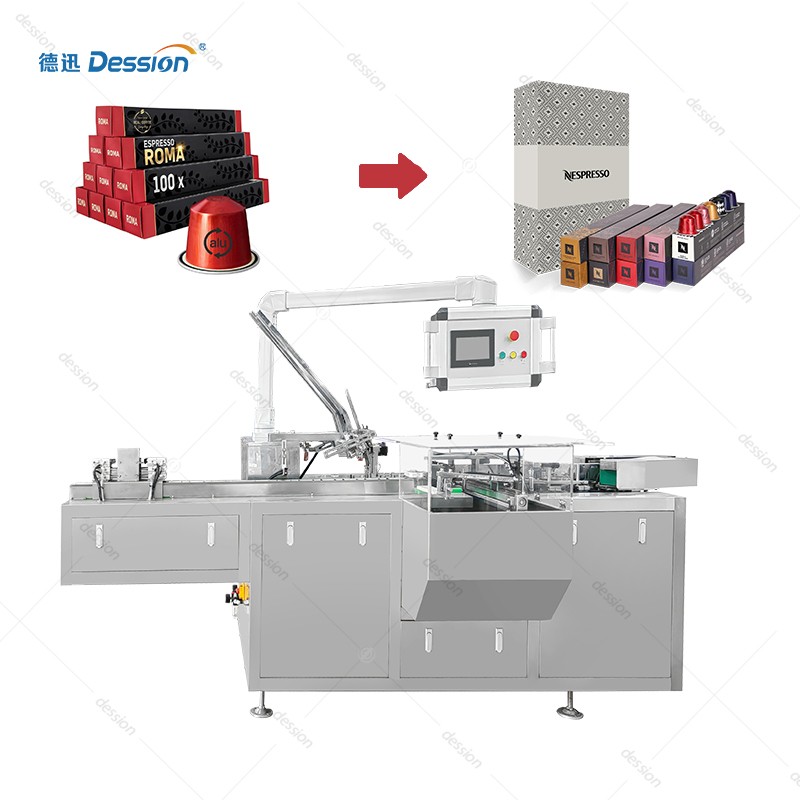
Automatic Cartoning Machine for Coffee Capsule Sticks/Rows
High-Speed Horizontal Cartoning Solution for Pre-Arranged Coffee Capsule Sticks and Multi-Pod Rows.
View configuration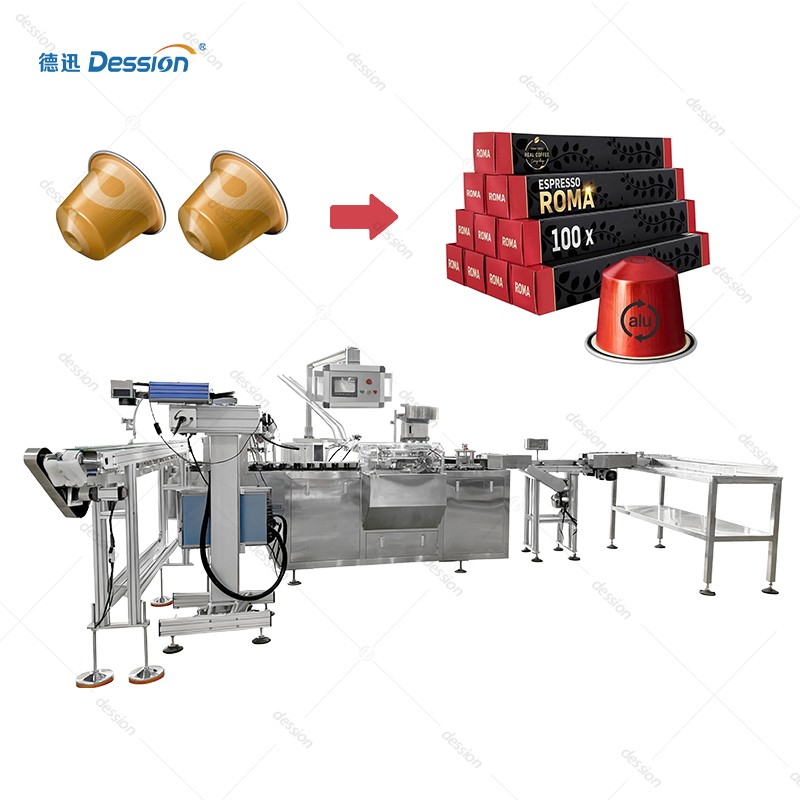
Automatic Cartoning Machine for Coffee Capsules & Nespresso Pods
High-Speed Horizontal Cartoning Solution for Nespresso Pods, Coffee Capsules, and K-Cups. Confirm the product, pack format and configuration with LINEVO.
View configuration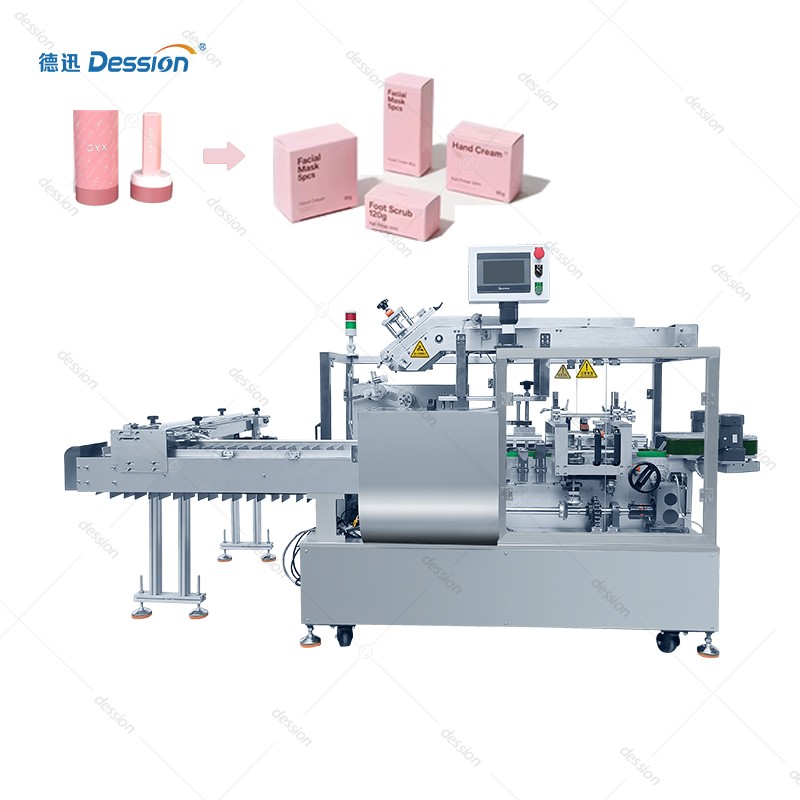
Automatic Cartoning Machine for Cosmetic Bottles & Skincare Products
High-Speed Horizontal Cartoning Solution for Cosmetic Bottles, Serums, Lotions, and Premium Skincare Kits.
View configuration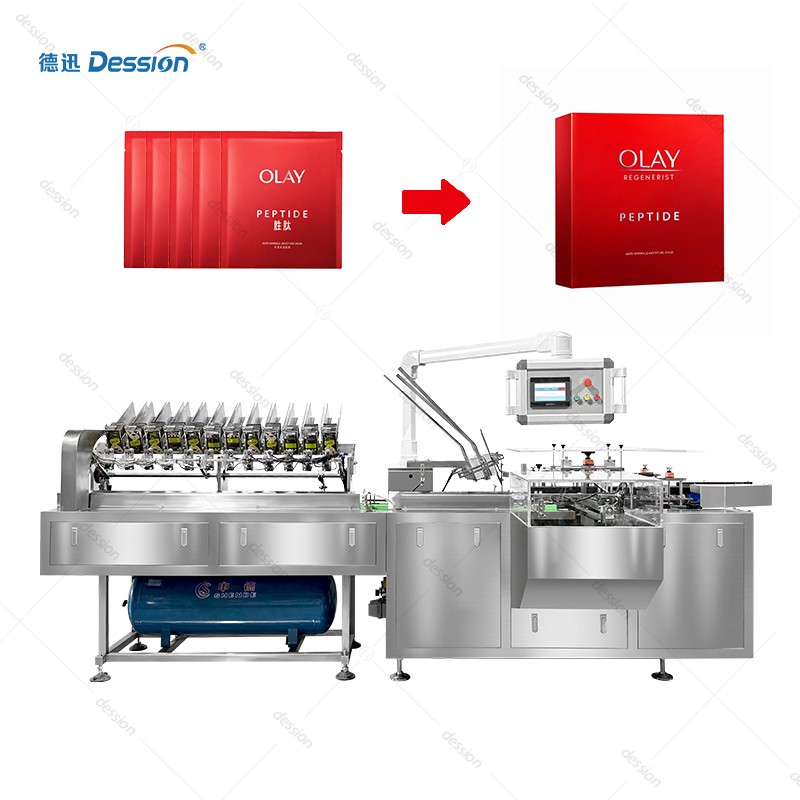
Automatic Cartoning Machine for Facial Sheet Masks
High-Speed Horizontal Cartoning Solution for Facial Sheet Masks, Skincare Sachets, and Beauty Care Products.
View configuration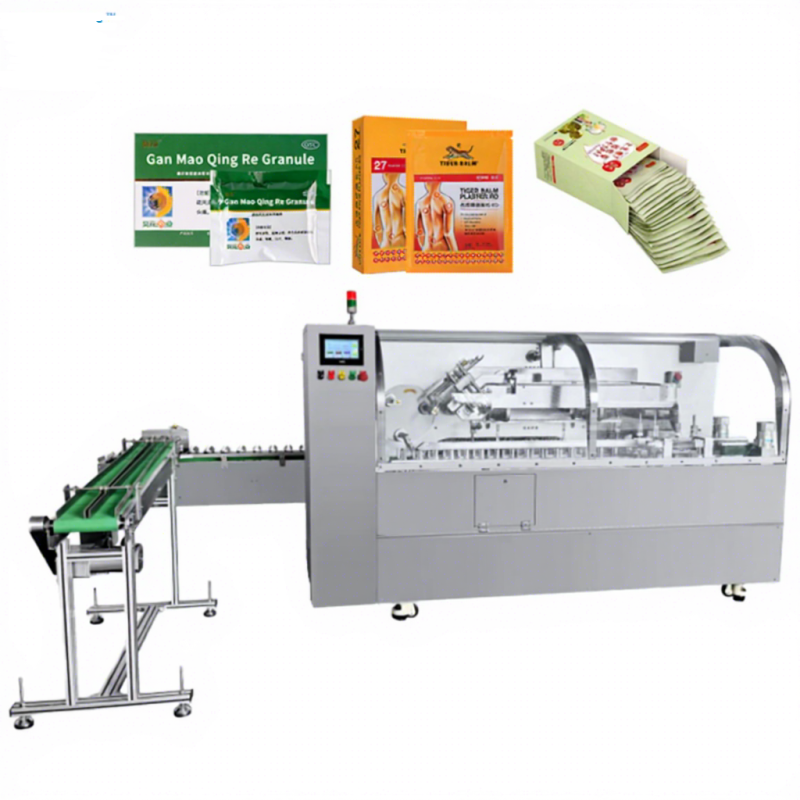
LV-180 — Automatic cartoning machine for tea bag packaging
The LV-Series Automatic Tea Bag Cartoning Machine is an advanced, high-performance packaging solution custom-designed for the global tea and herbal beverage…
View configuration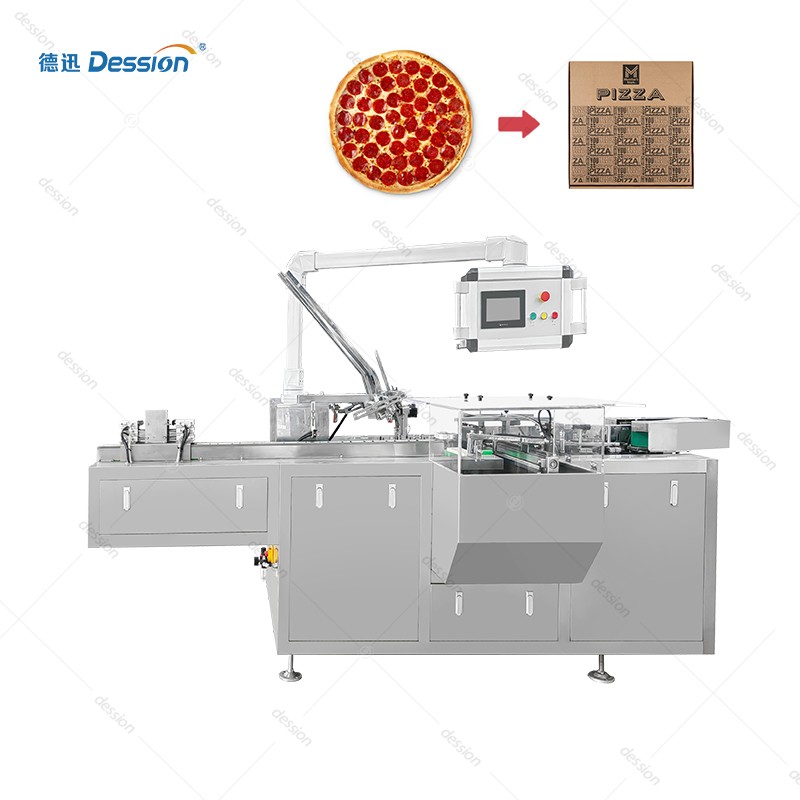
Automatic Pizza Cartoning Machine for Frozen Foods
High-Speed Horizontal Cartoning Solution for Frozen Pizzas, Pizza Bases, and Pre-Baked Meals. Confirm the product, pack format and configuration with LINEVO.
View configuration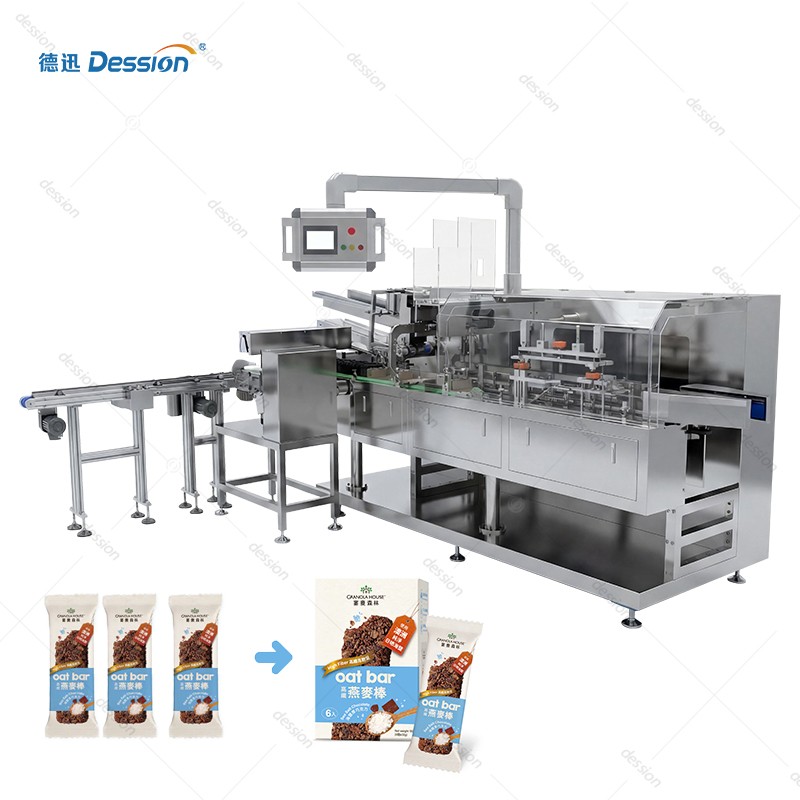
Automatic Cartoning Machine for Grain Bars & Energy Bars
High-Speed Horizontal Cartoning Solution for Grain Bars, Energy Bars, Protein Bars, and Healthy Snacks.
View configuration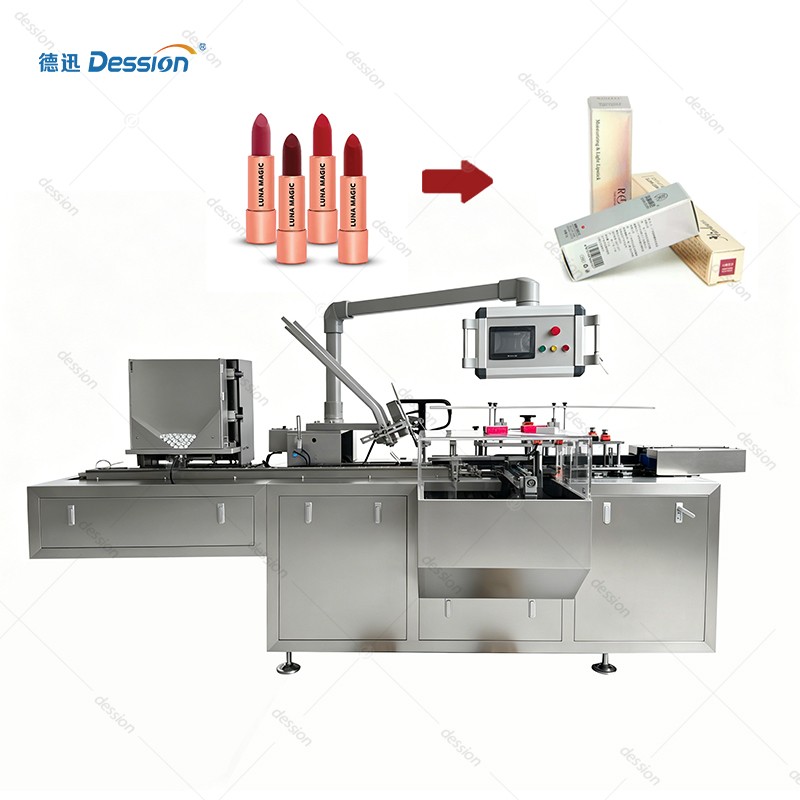
Automatic Cartoning Machine for Lipsticks & Cosmetic Tubes
High-Precision Horizontal Cartoning Solution for Lipsticks, Lip Balms, Gloss Tubes & Small Cosmetics.
View configuration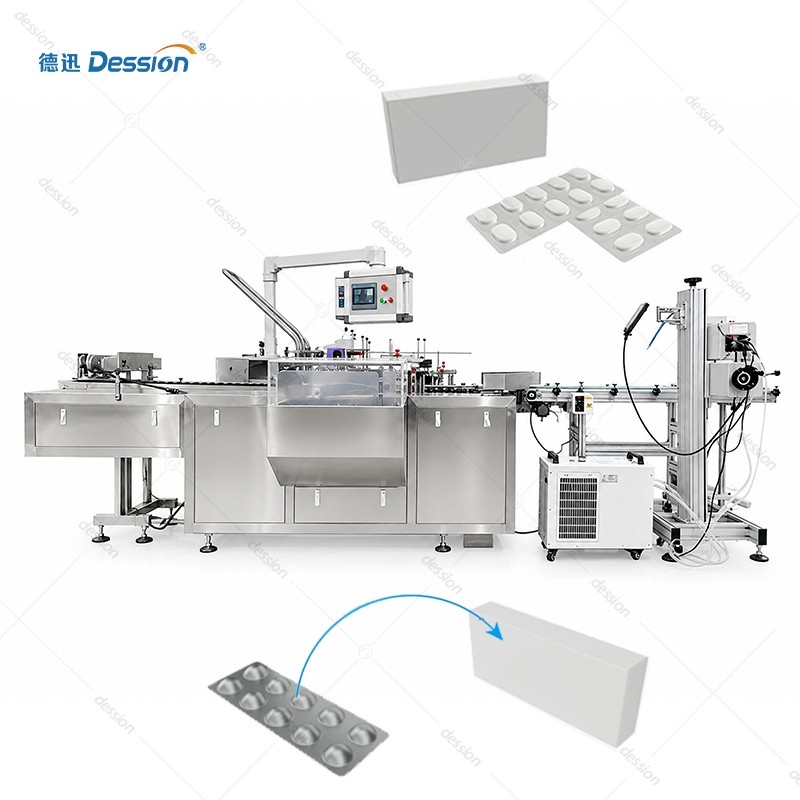
Automatic Cartoning Machine for Pharmaceutical Tablets & Blister Packs
High-Speed Horizontal Cartoning Solution for Blister Packs, Tablets, Capsules, and Pharmaceutical Kits.
View configuration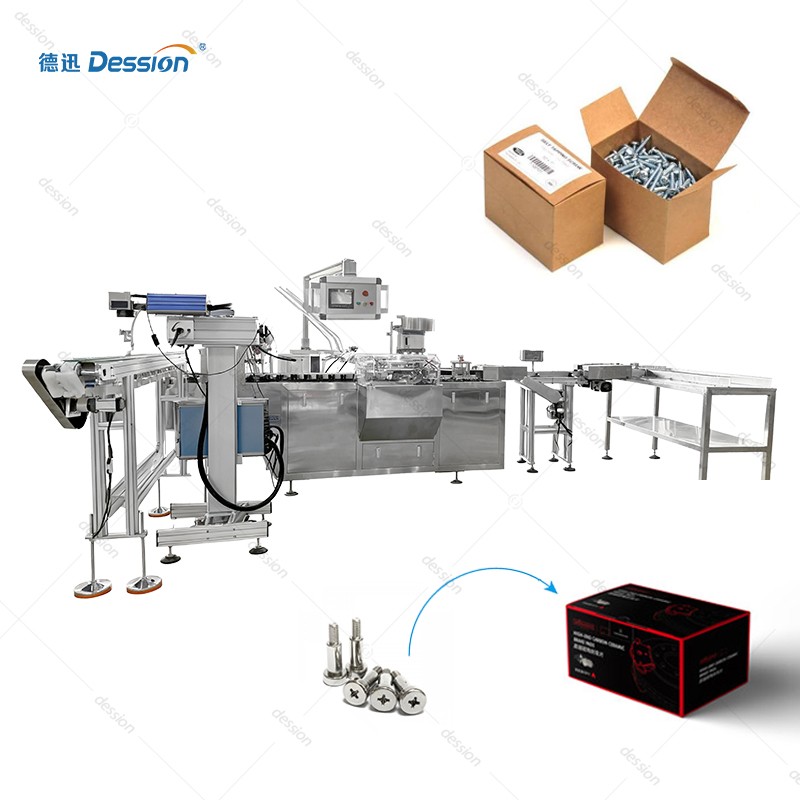
Automatic Cartoning Machine for Screws & Hardware Parts
Heavy-Duty Horizontal Cartoning Solution for Screws, Nuts, Bolts, Anchors, and Industrial Hardware Kits.
View configuration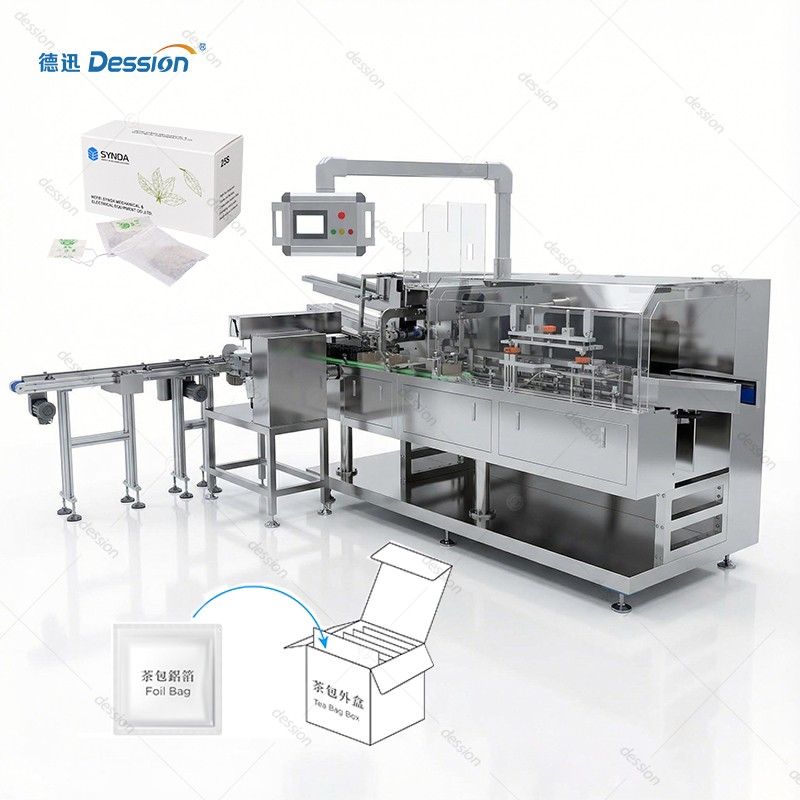
Automatic Cartoning Machine for Tea Bags & Tea Boxes
High-Speed Horizontal Cartoning Solution for Tea Bags, Infusers, Herbal Teas, and Retail Tea Box Packaging.
View configuration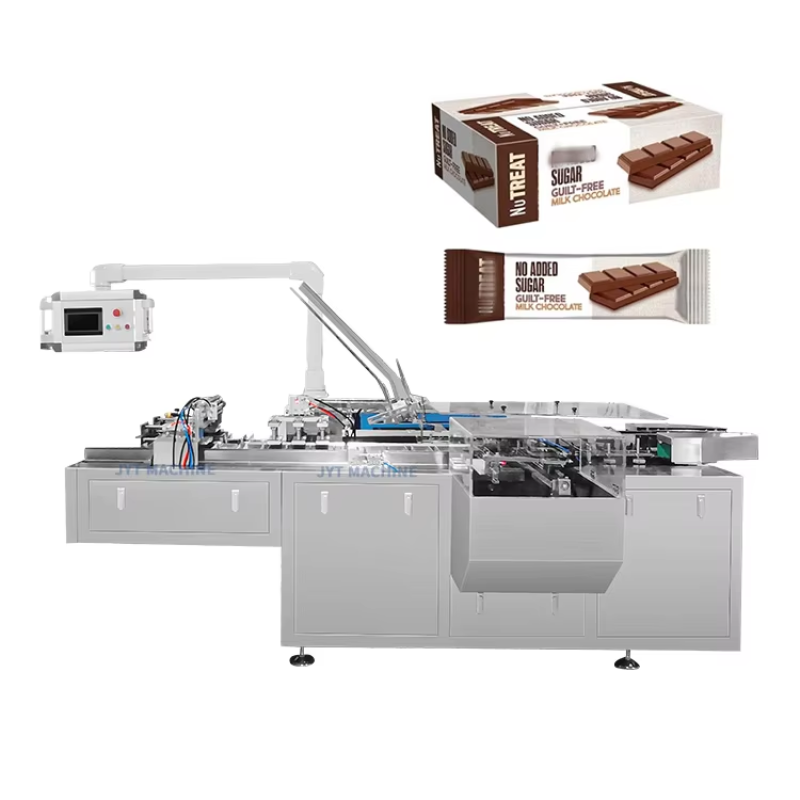
LV-250B/D — Automatic Chocolate Bar Cartoning Packing Machine
Automatic Chocolate Bar Cartoning Packing Machine. Confirm the product, pack format and scope with LINEVO.
View configuration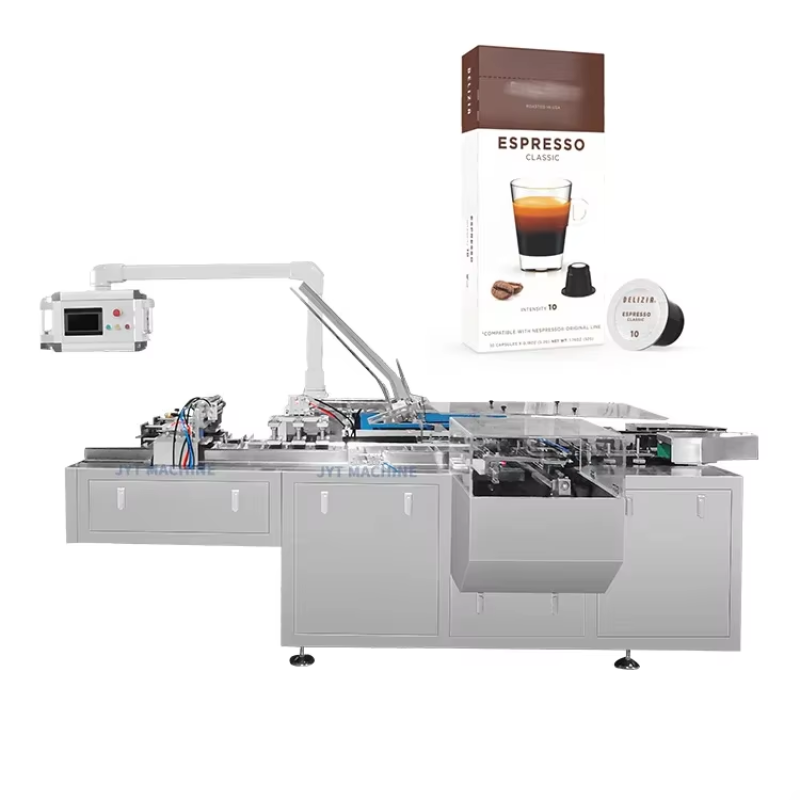
Automatic Coffee Capsule Cartoning Machine
Automatic Coffee Capsule Cartoning Machine. Confirm the product, pack format and scope with LINEVO.
View configuration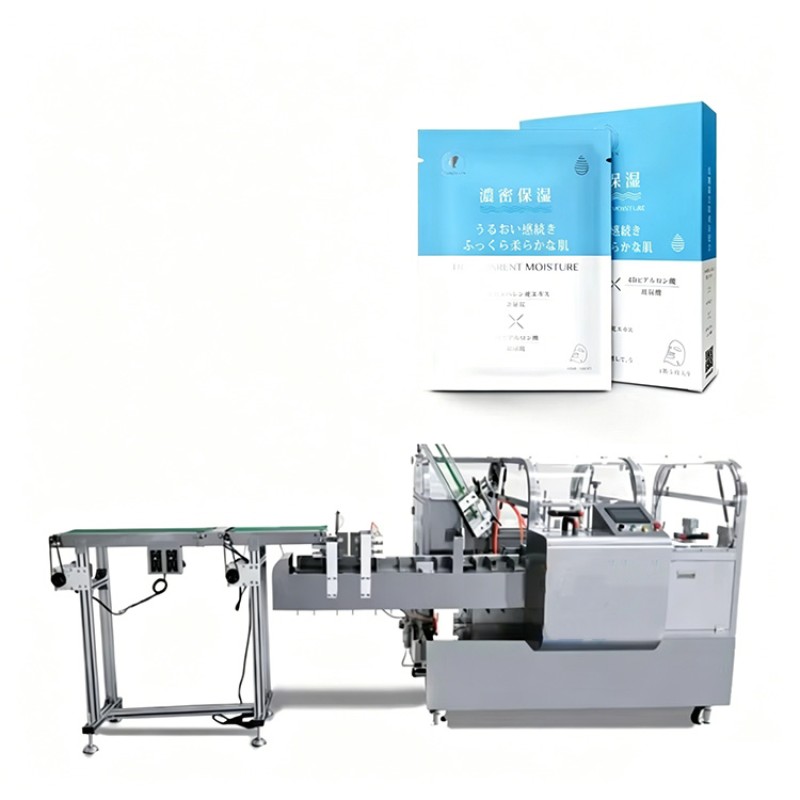
automatic facial mask patch cartoning machine
Automatic facial mask patch cartoning machine. Confirm the product, pack format and scope with LINEVO.
View configurationLV-GS150 — Automatic Filling Cartoning Machine for Pharmaceutical Bottles and Alu-PVC Blister Packs
Automatic Filling Cartoning Machine for Pharmaceutical Bottles and Alu-PVC Blister Packs. Confirm the product, pack format and scope with LINEVO.
View configuration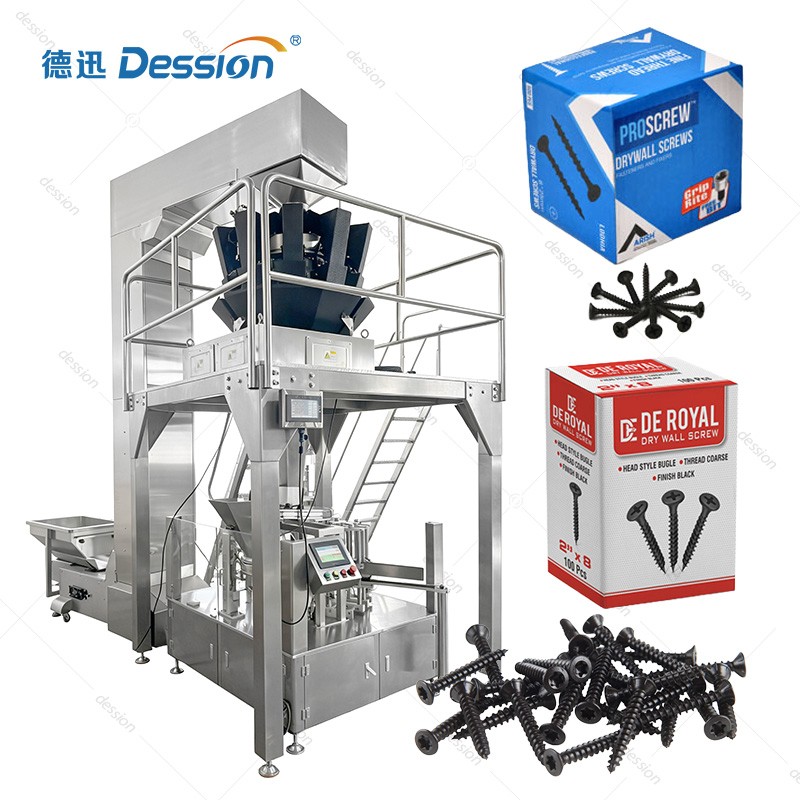
Automatic Hardware Cartoning Machine from Leading China Manufacturer for Screws, Nuts, and Fasteners
High-Speed Packaging Solutions for Screws, Nuts, and Industrial Fasteners. Confirm the product, pack format and configuration with LINEVO.
View configuration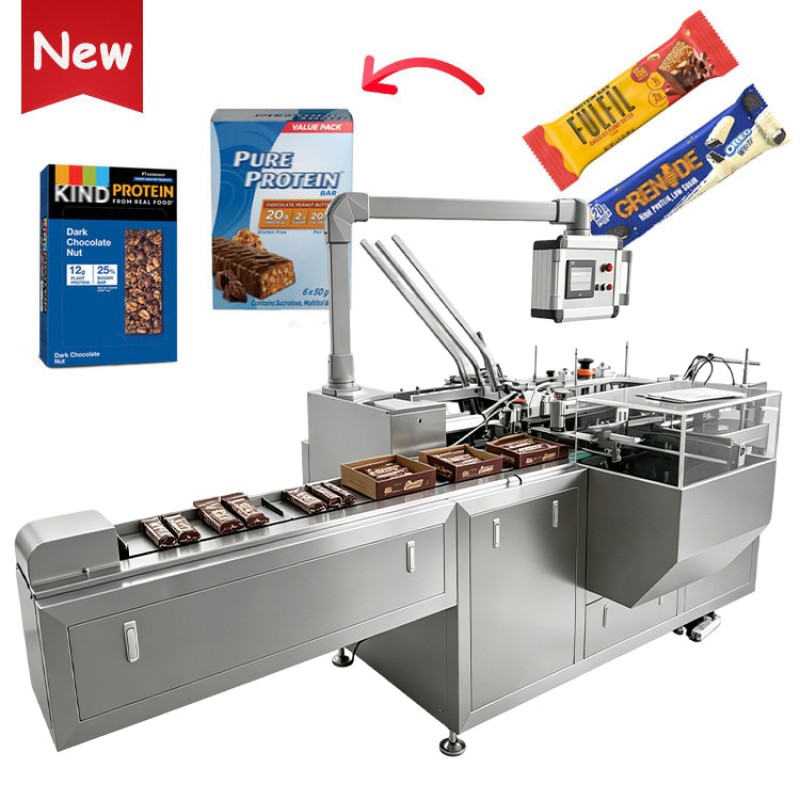
Automatic Protein bars and energy bars Cartoning Packing Machine
Automatic Protein bars and energy bars Cartoning Packing Machine. Confirm the product, pack format and scope with LINEVO.
View configuration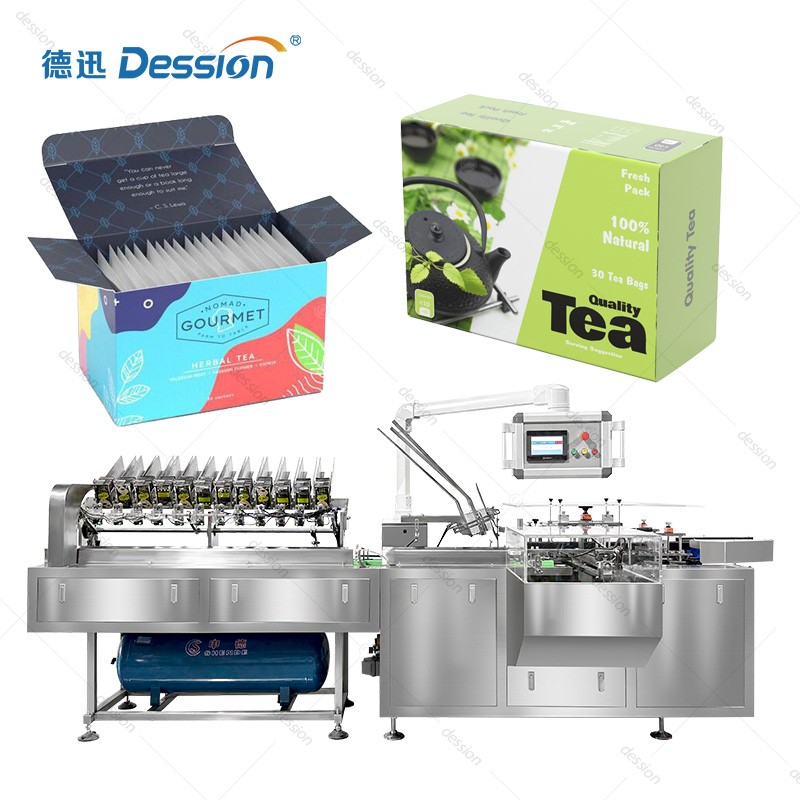
Automatic Tea Cartoning Machine: Expert Solutions from China Manufacturer for Tea Bags and Gift Boxes
Automatic Tea Cartoning Machine. Source-listed applications: Tea & Wellness Co-Packers; Artisan & Premium Tea Brands.
View configuration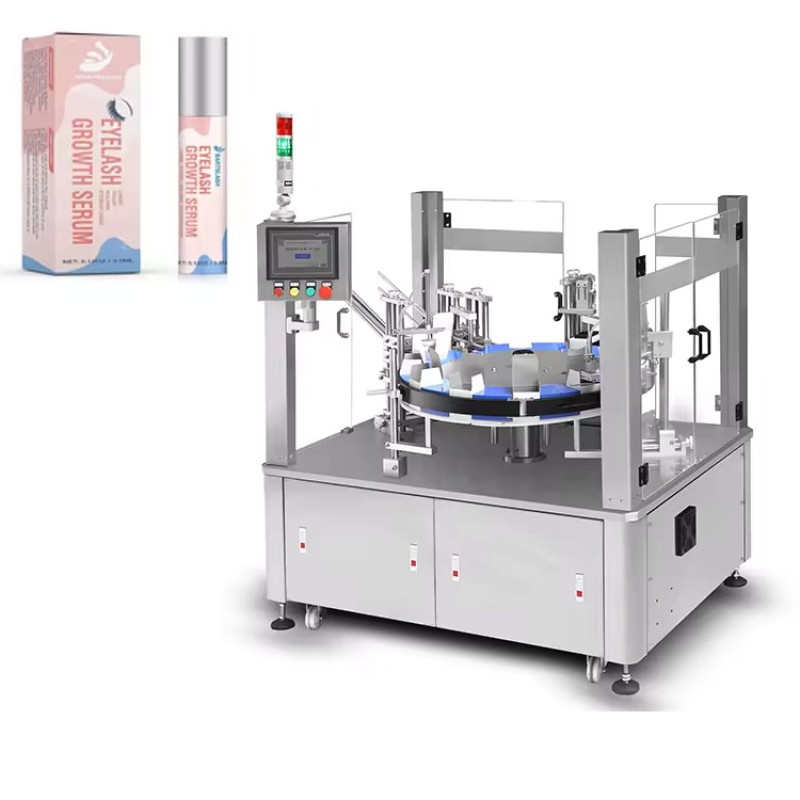
Automatic Vertical Cosmetic Perfume Box Filli Cartoning Machine
Automatic Vertical Cosmetic Perfume Box Filli Cartoning Machine. Confirm the product, pack format and scope with LINEVO.
View configuration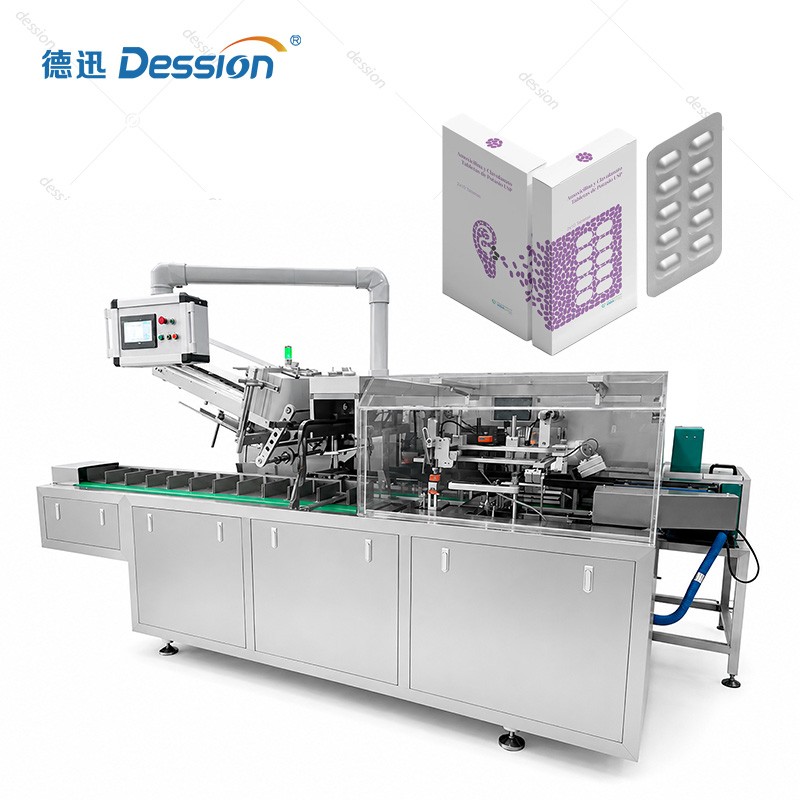
Pharmaceutical Cartoning Machine for Tablets and Solid Dosage Forms
Automated Cartoning Line for Tablets and Solid Dosage Forms (Blister/Bottle). Confirm the product, pack format and configuration with LINEVO.
View configuration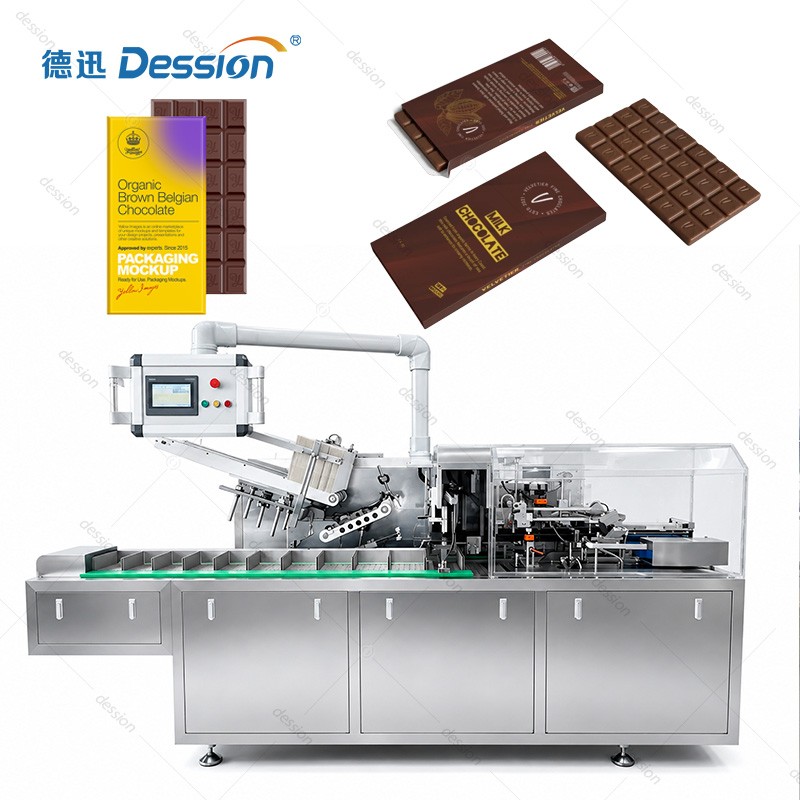
Gentle-Handling Chocolate Cartoning Machine for Premium Confectionery
Gentle-Handling Chocolate Cartoning Machine for Premium Confectionery. Source-listed applications: Chocolate & Confectionery Co-Packers.
View configuration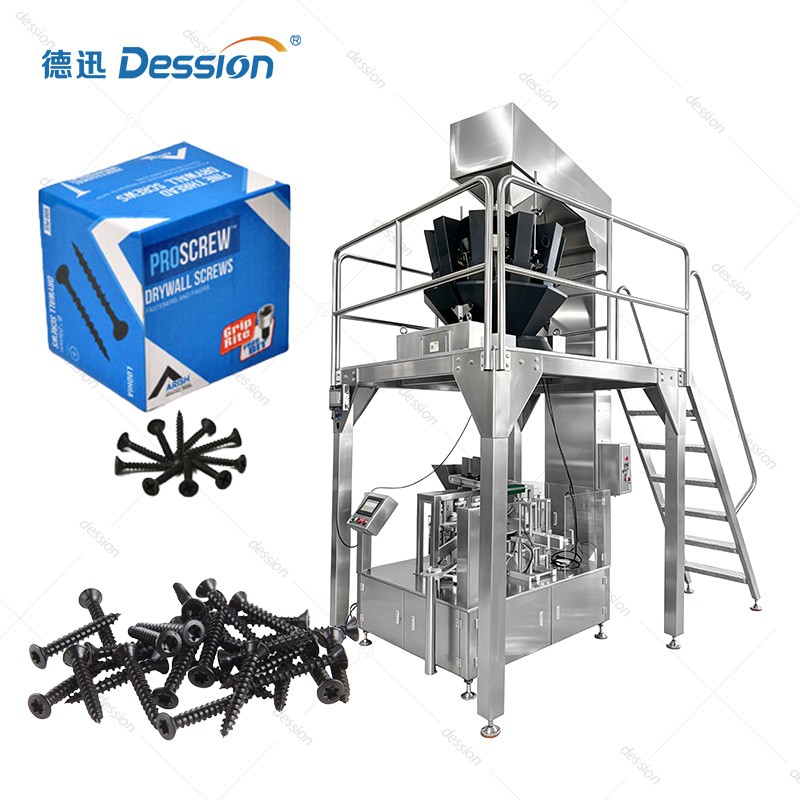
Heavy-Duty Hardware Packaging Solutions from Reliable China Supplier: Efficient Lines for Metal Parts and Tools
High-Speed Packaging Solutions for Screws, Nuts, and Industrial Fasteners. Confirm the product, pack format and configuration with LINEVO.
View configuration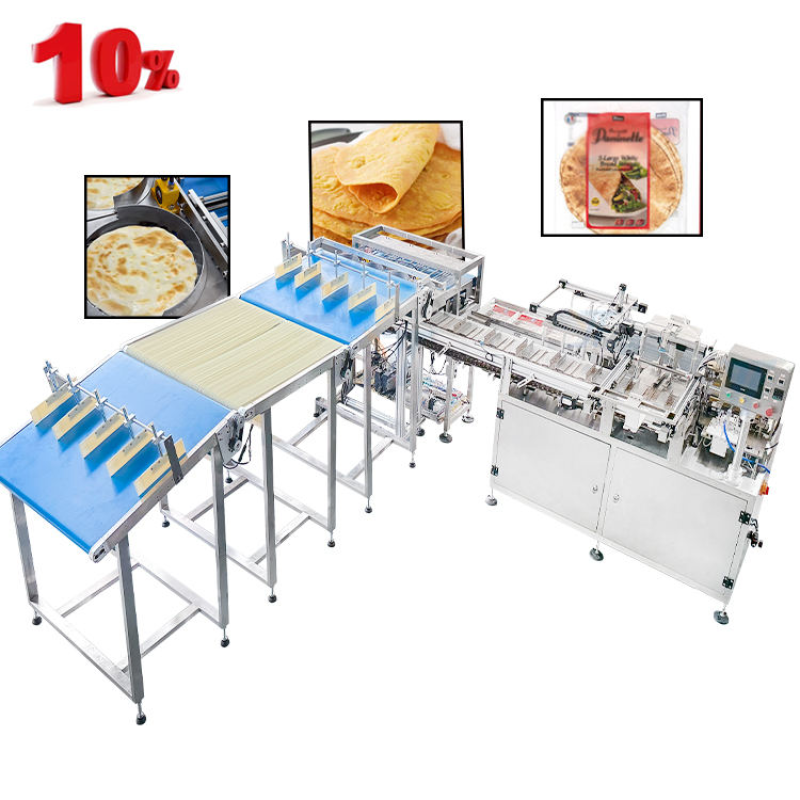
high-end machine for feeding, bagging, sealing, and cartoning pre-made flatbread bases
High-end machine for feeding, bagging, sealing, and cartoning pre-made flatbread bases. Confirm the product, pack format and scope with LINEVO.
View configuration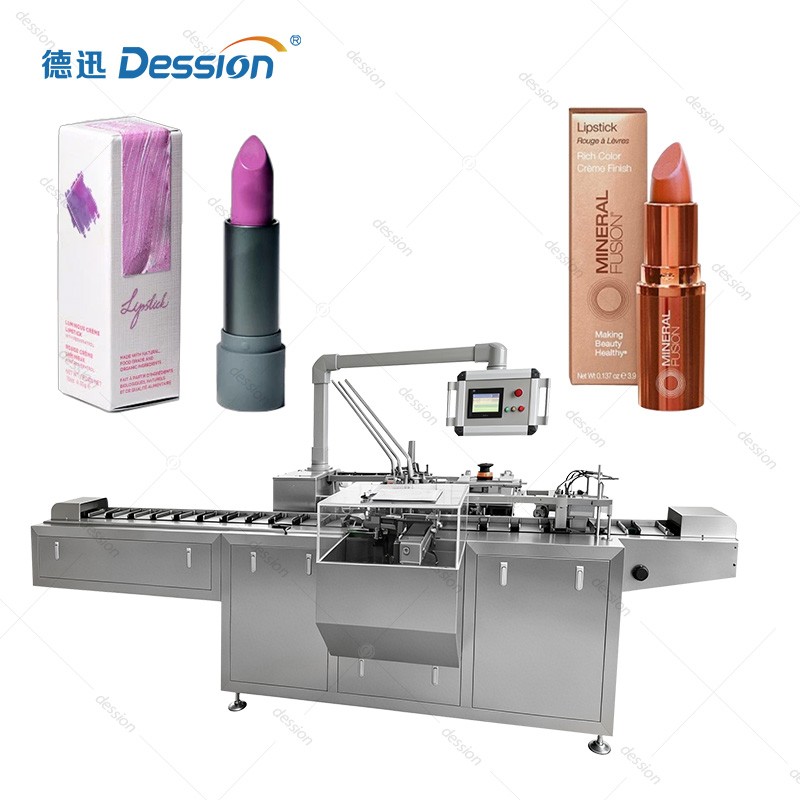
High-Precision Cosmetic Cartoning Machine for Lipsticks and Luxury Beauty Products
High-Precision Cosmetic Cartoning Machine for Lipsticks and Luxury Beauty Products. Source-listed applications: Beauty & Cosmetic Co-Packers.
View configuration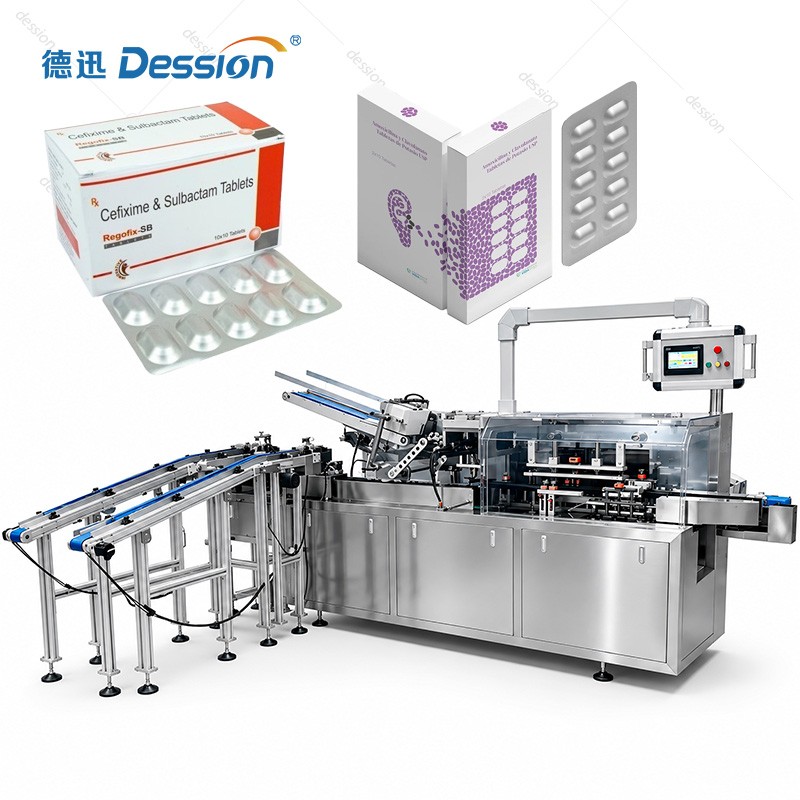
High-Precision Tablet and Capsule Cartoning Machine with Vision Inspection
High-Precision Tablet and Capsule Cartoning Machine with Vision Inspection. Source-listed applications: Pharma & Nutraceutical Co-Packers.
View configuration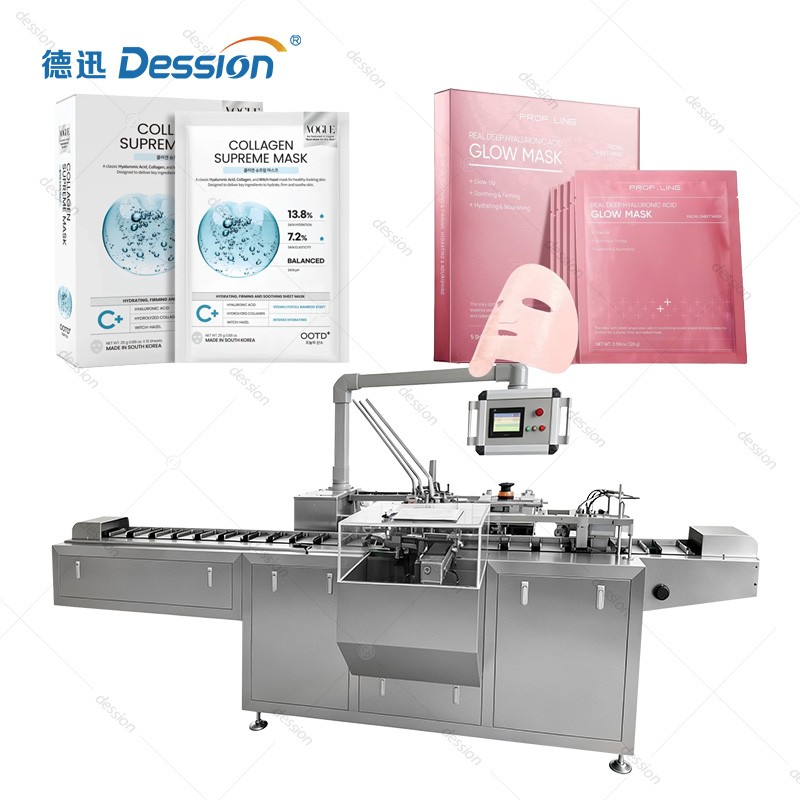
High-Speed Automatic Cartoning Machine for Facial Mask Pouches
High-Speed Automatic Cartoning Machine for Facial Mask Pouches. Source-listed applications: Cosmetic & Beauty Co-Packers; Premium Skincare & Beauty Brands.
View configuration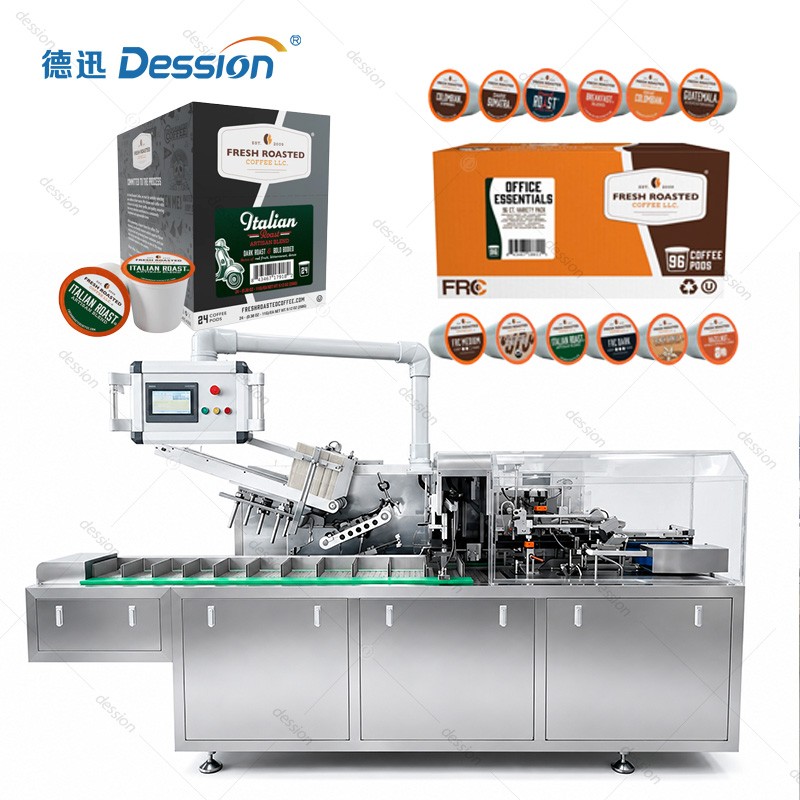
High-Speed Coffee Capsule Cartoning Machine | Turnkey Integration for Capsule Filling to Carton End-of-Line
High-Speed Coffee Capsule Cartoning Machine. Source-listed applications: Coffee & Functional Pod Co-Packers; Premium Coffee & Supplement Brands.
View configuration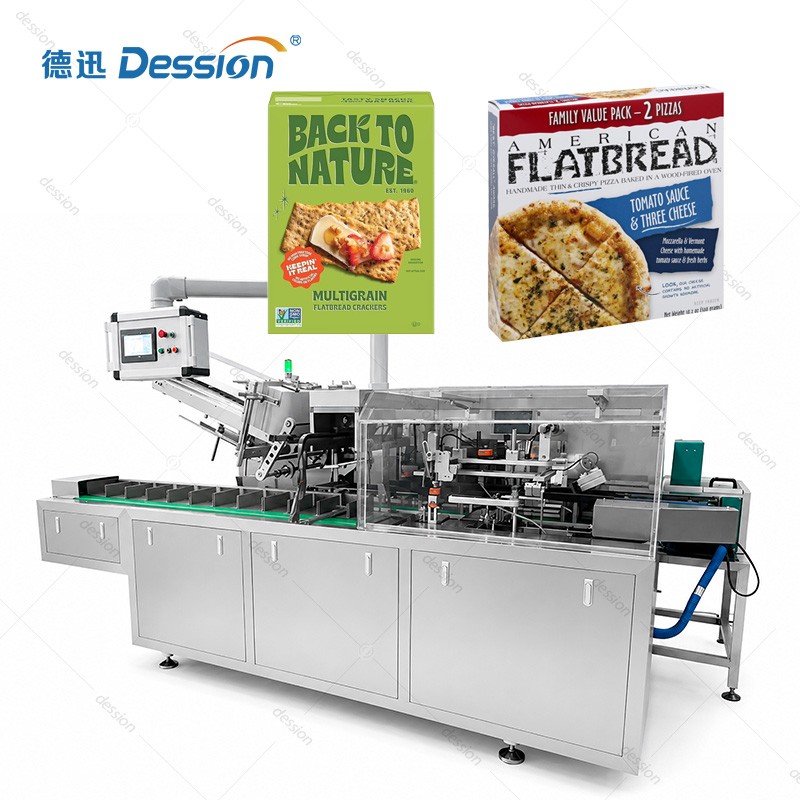
High-Speed Pizza Cartoning Machine | Turnkey End-of-Line Integration for Frozen Food Co-Packing
High-Speed Pizza Cartoning Machine. Source-listed applications: Frozen Pizza Co-Packers; Complex Frozen Product Brands.
View configuration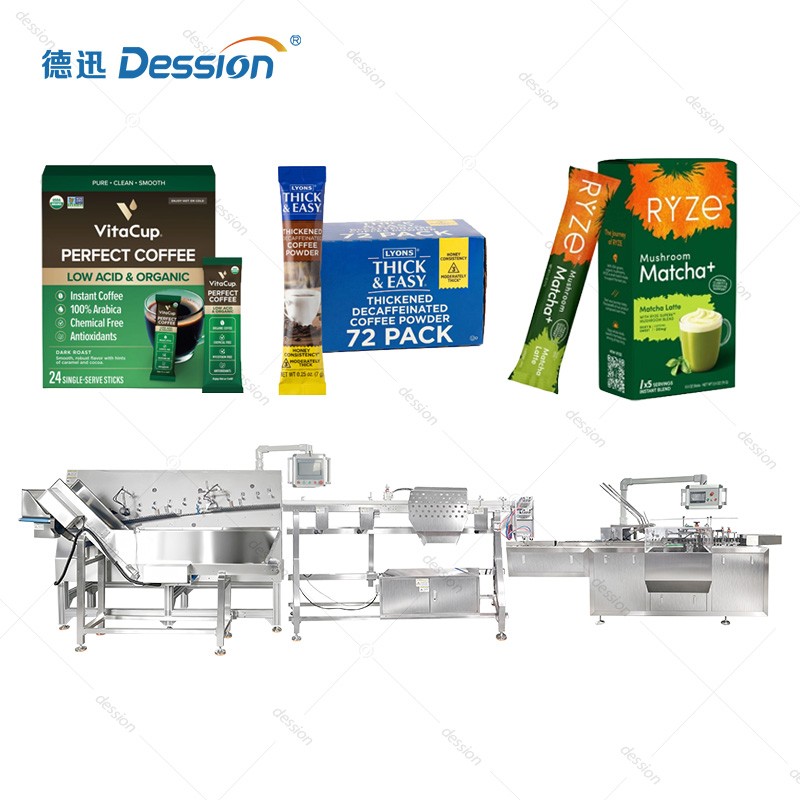
High-Speed Stick Pack Cartoning Solutions from Reliable China Supplier: Ideal for Pharma and Food Contract Manufacturing
High-Speed Stick Pack Cartoning Solutions. Source-listed applications: Pharma & Food Co-Packers; Complex Powder & Supplement Brands.
View configuration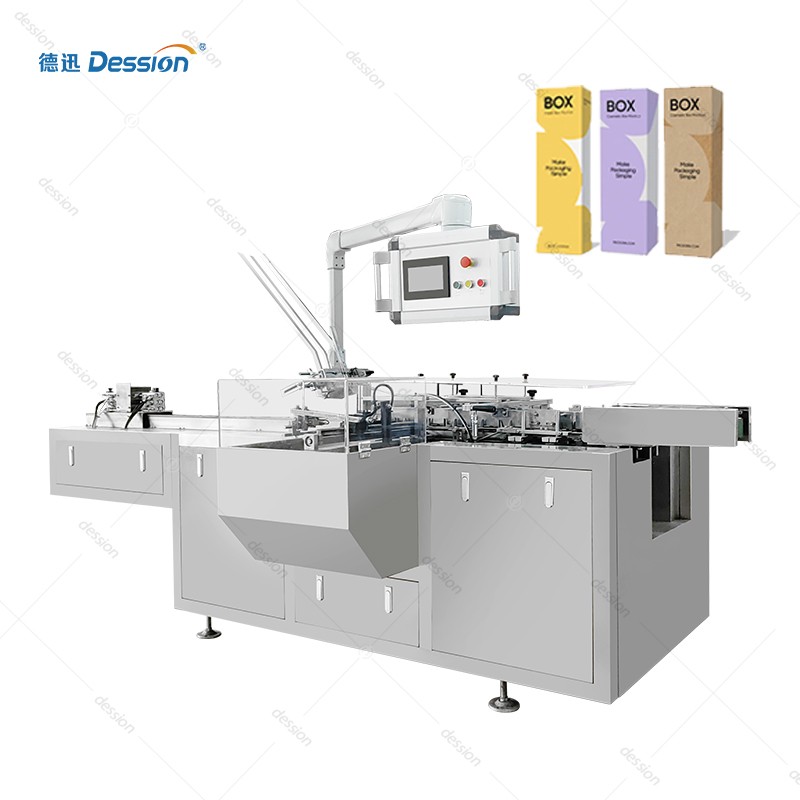
Industrial Cosmetic Packaging & Cartoning Line: High-Speed Feeding & Leaflet Insertion
End-to-End Integrated Automation: From Filling Synchronization to Automatic Cartoning & Leaflet Insertion for Premium Cosmetics.
View configuration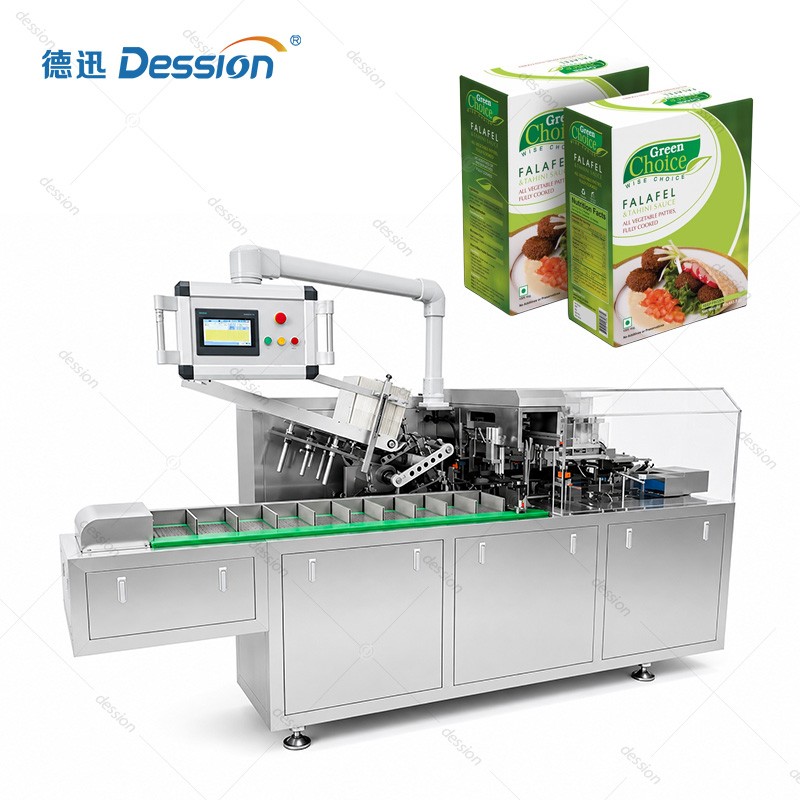
Industrial Frozen Food Cartoning Machine | Turnkey End-of-Line Packaging for Co-Packing & Contract Manufacturing
Industrial Frozen Food Cartoning Machine. Source-listed applications: Frozen Food Co-Packers; Complex Frozen Product Brands.
View configuration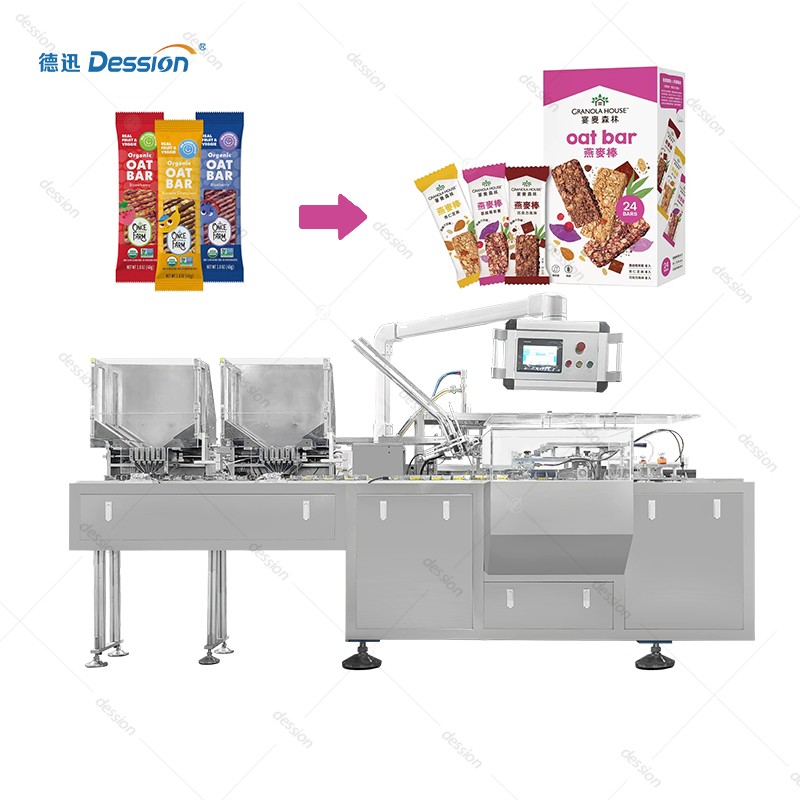
Industrial Bar Packaging & Cartoning Line: High-Speed Feeding & Sealing Solutions
End-to-End Integrated Automation: From Flow-Wrapping to Automatic Cartoning for Bar Products. Confirm the product, pack format and configuration with LINEVO.
View configuration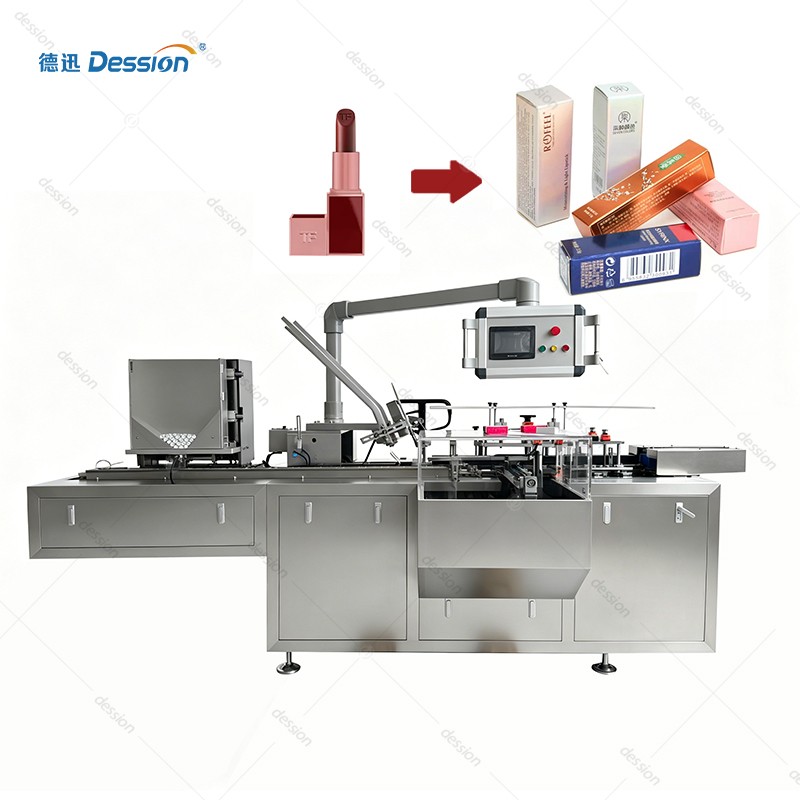
Industrial Cosmetic Packaging & Cartoning Line: High-Precision Lipstick Solutions
High-Precision Horizontal Cartoning & Integrated Packaging Solution for Lipsticks, Lip Balms, Gloss Tubes & Small Cosmetics.
View configuration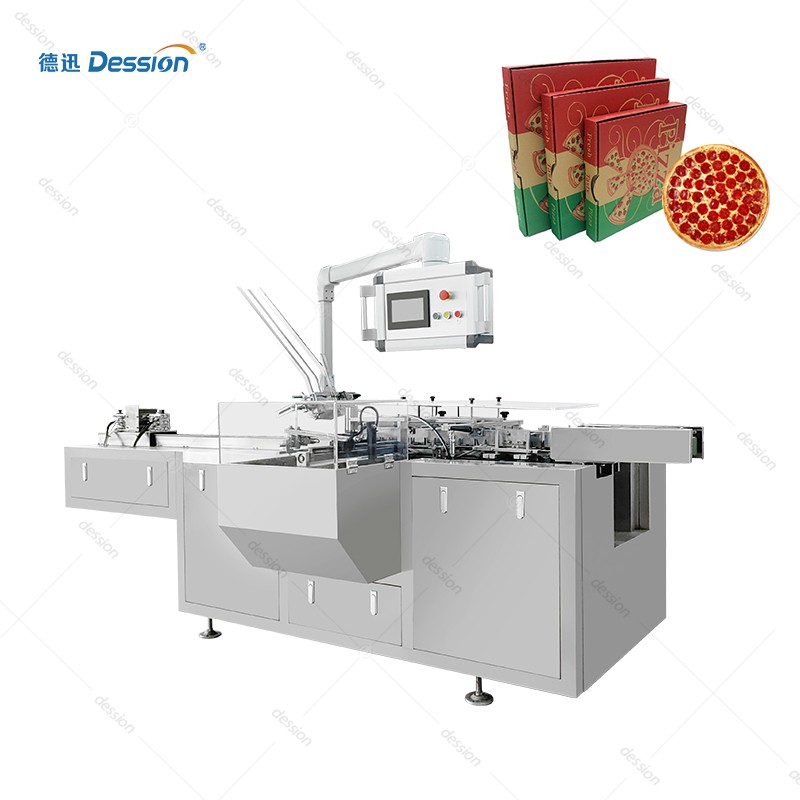
Industrial Pizza Packaging & Cartoning Line: High-Speed Feeding & Sealing Solutions
End-to-End Integrated Automation: From Primary Flow-Wrapping to Automatic Cartoning for Pizza Products.
View configuration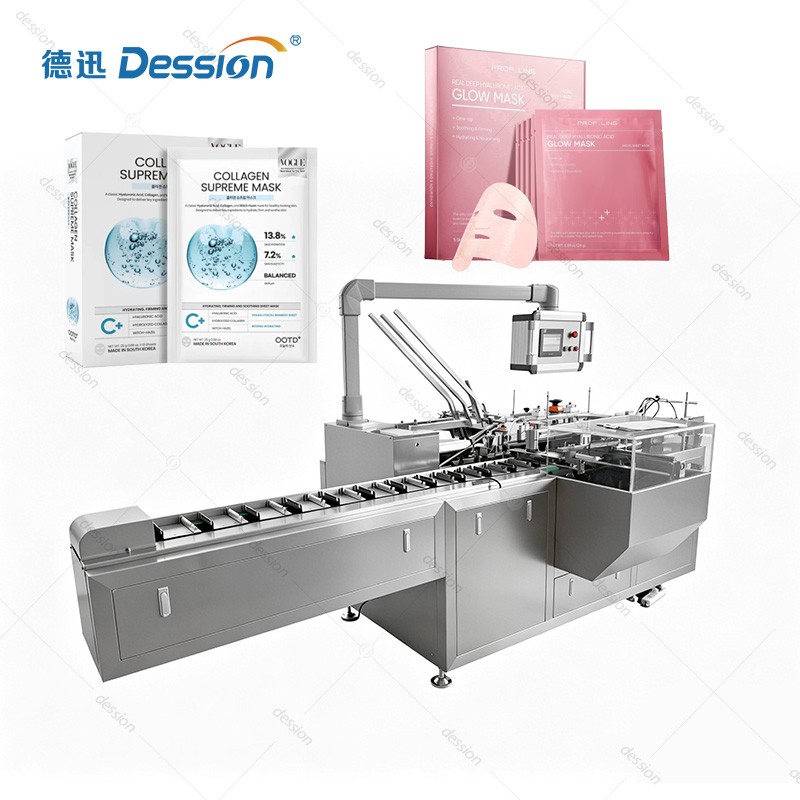
Modular Cartoning Machine for Cosmetic Masks and Skincare Products
Flexible End-of-Line Automation for Premium Beauty & Skincare Co-Packing. Confirm the product, pack format and configuration with LINEVO.
View configuration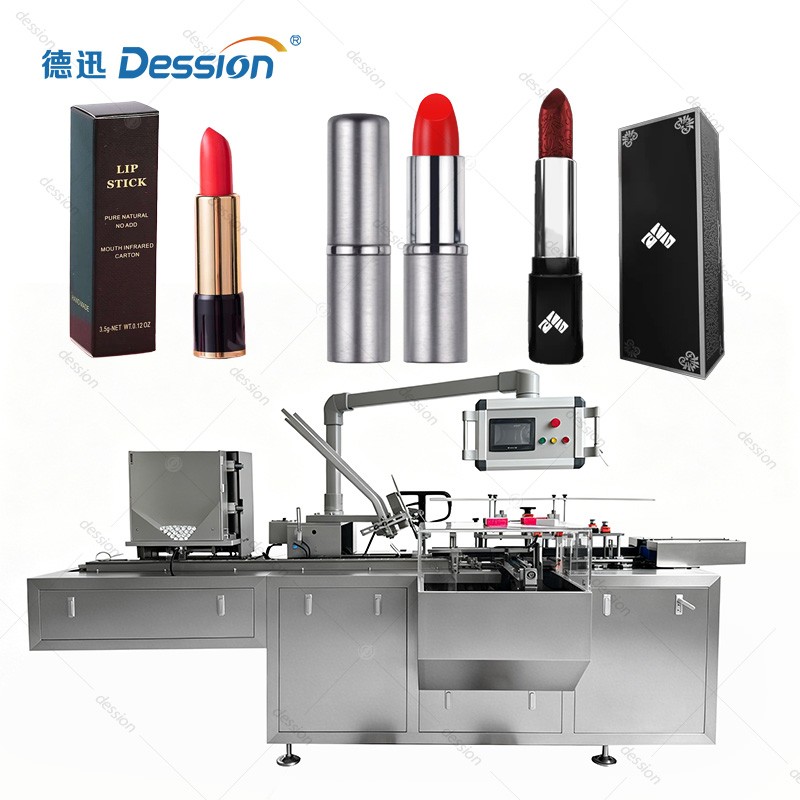
Modular Lipstick Cartoner with Integrated Coding and Leaflet Insertion
High-Precision Automated End-of-Line Packaging for Cosmetic Co-Packing. Confirm the product, pack format and configuration with LINEVO.
View configuration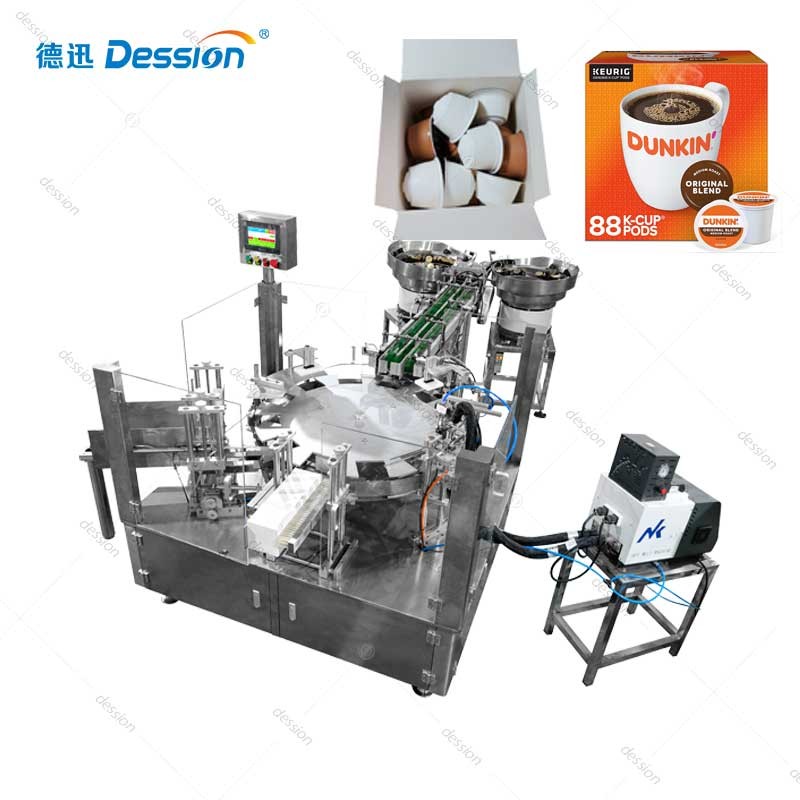
Original Blend Coffee K-Cup Pods Cartoning Machine
High-Speed Vertical Cartoning System with Vibratory Bowl Counting & Gravity Drop Filling. Confirm the product, pack format and configuration with LINEVO.
View configuration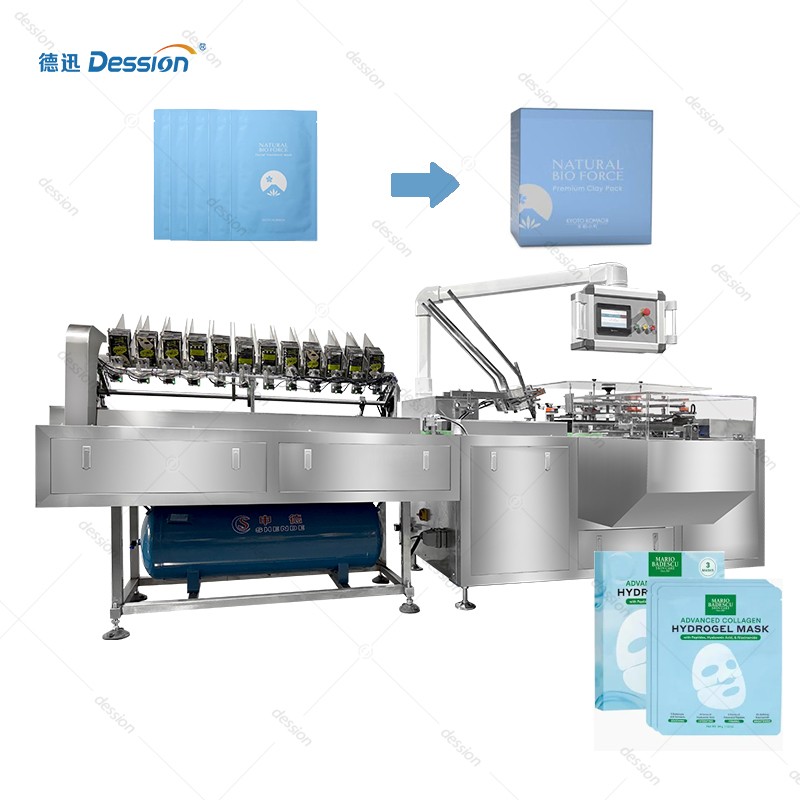
Precision Cartoning Solutions for Premium Sheet Masks
Precision Cartoning Solutions for Premium Sheet Masks. Confirm the product, pack format and scope with LINEVO.
View configuration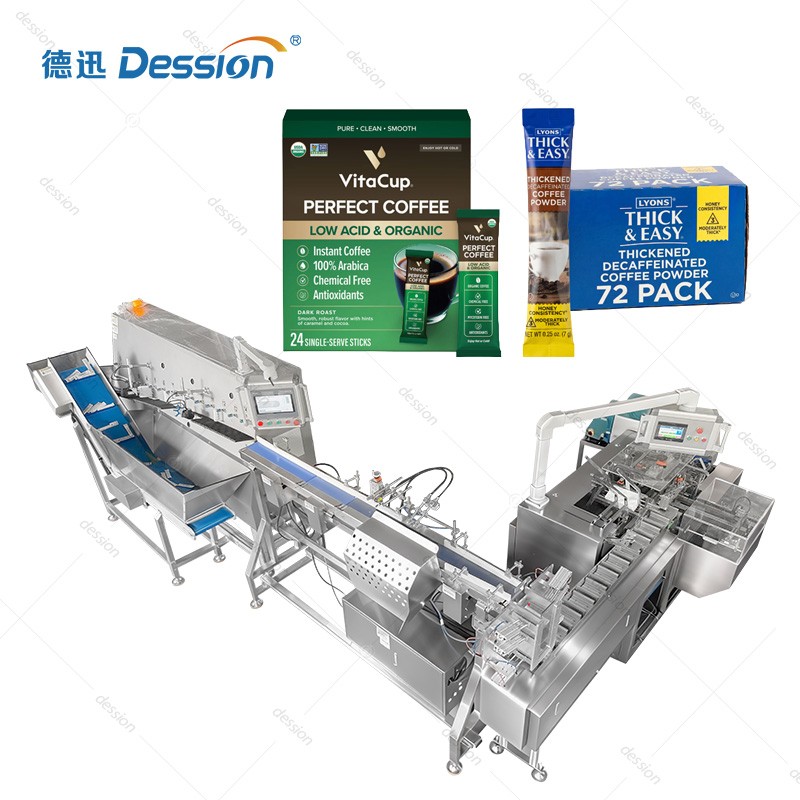
Stick Pack Cartoning Machine: Advanced Packaging Solutions from Top China Manufacturer for Coffee, Powders, and Supplements
Stick Pack Cartoning Machine. Source-listed applications: Powder & Supplement Co-Packers; Premium Coffee & Wellness Brands.
View configuration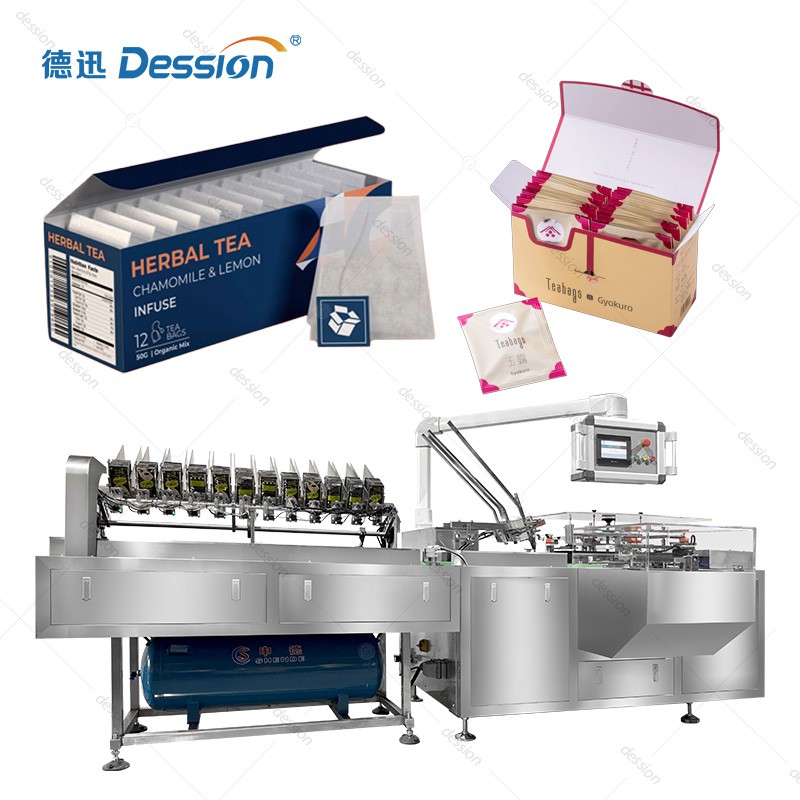
Reliable China Supplier for Tea Packaging Line: Cartoning Solutions for Pyramid Bags, Loose Leaf Tea, and Herbal Blends
Tea Packaging Line. Source-listed applications: Tea & Herbal Wellness Co-Packers; Specialty Tea & Herbal Brands.
View configuration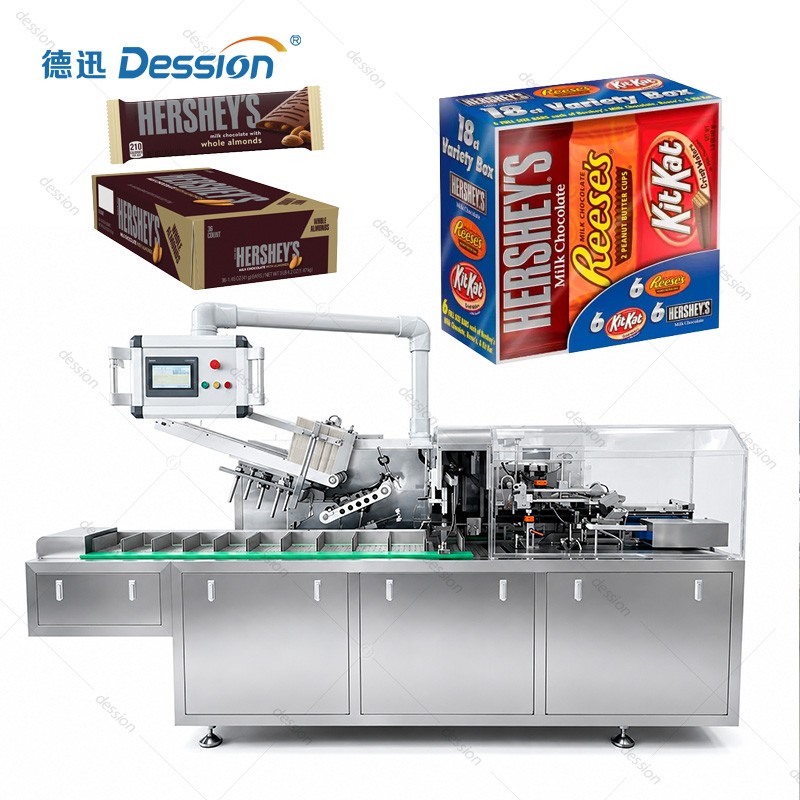
Versatile Chocolate Gift Box Cartoner with In-Line Integration
High-Precision Automated End-of-Line Packaging for Premium Confectionery. Confirm the product, pack format and configuration with LINEVO.
View configuration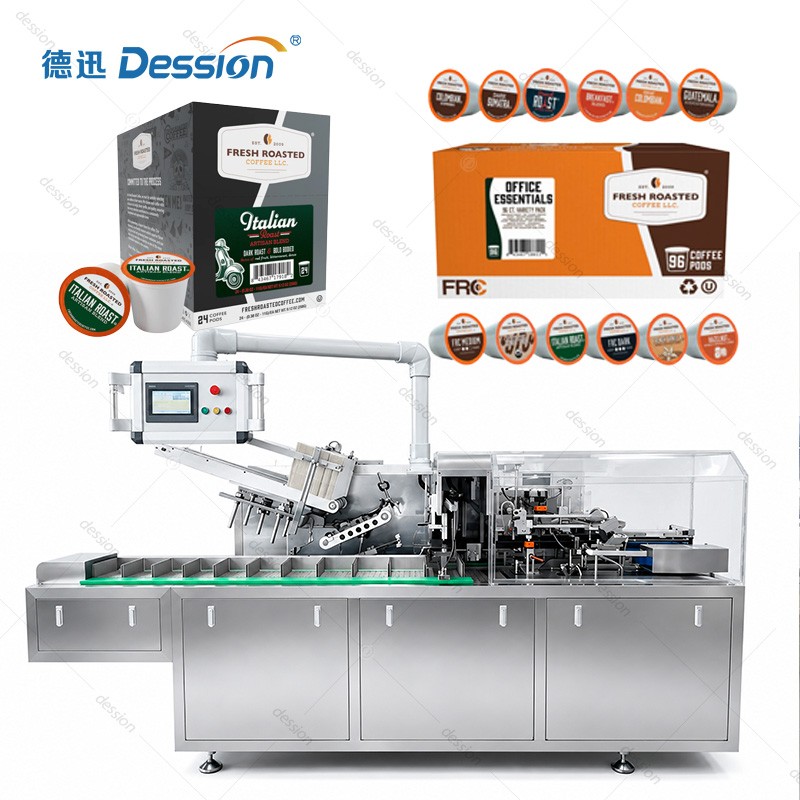
Versatile Coffee Capsule Cartoning Machine with Quick-Change Format | Flexible Secondary Packaging for Supplement & Functional Beverage Co-Packing
Flexible Automated Cartoning Solution for Integrated Coffee Capsule & Functional Beverage Lines. Confirm the product, pack format and configuration with LINEVO.
View configuration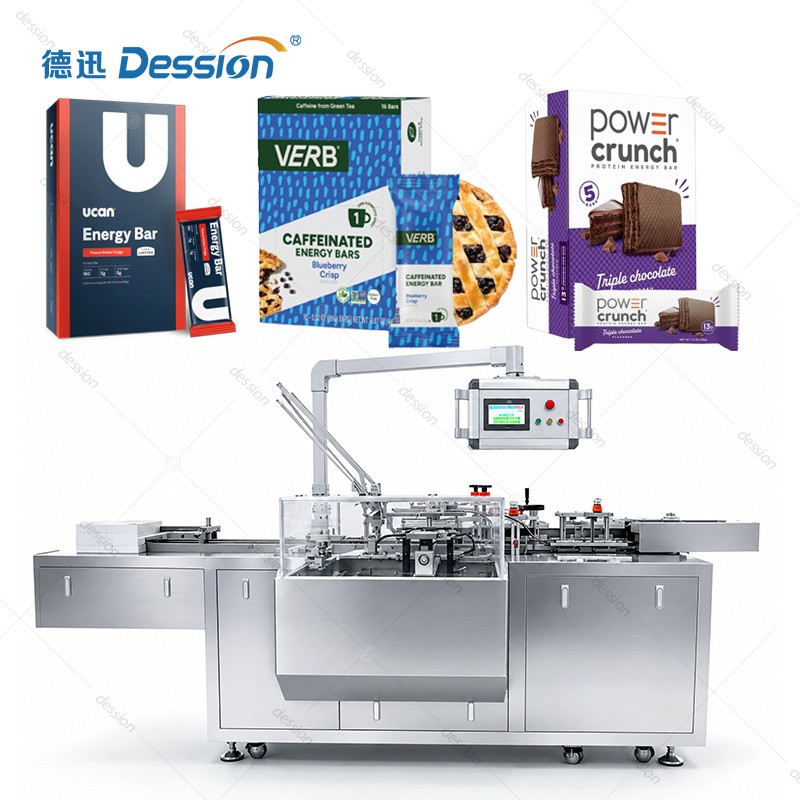
Versatile Energy Bar Cartoning Machine with Quick-Change Format | Flexible Packaging for Protein & Nutrition Bars Co-Packing
Flexible Automated Cartoning Solution for Integrated Snack & Nutrition Bar Lines. Confirm the product, pack format and configuration with LINEVO.
View configuration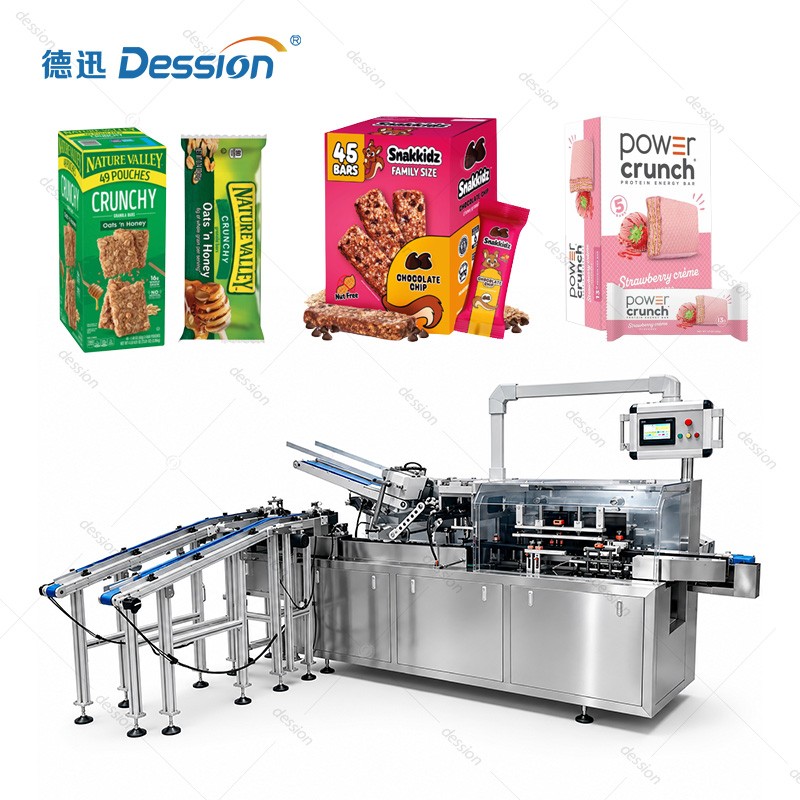
Versatile Granola Bar Cartoning Machine with Quick-Change Format | Flexible Packaging for Snack & Nutrition Bar Co-Packing
Flexible Automated Cartoning Line for High-Speed Snack & Nutrition Bar Co-Packing. Confirm the product, pack format and configuration with LINEVO.
View configuration