
Where automatic labeling fits
Most configurations in this family apply pressure-sensitive (self-adhesive) labels from a liner reel. Others apply shrink sleeves to beverage bottles, and several are combined filling and labeling lines.
The 21 configurations cover round bottles and jars for honey, sauce, wine and beer, small dropper bottles for essential oils and e-liquids, flat and square bottles for shampoo, lotion and edible oil, pharmaceutical vials and ampoules, pet food cans, the top surface of food boxes and cartons, and shrink sleeves for beverages.
- Round bottles and jars, including glass
- Flat, oval and square bottles, front and back
- Small vials, ampoules and dropper bottles
- Cartons, boxes and cans, plus shrink sleeves
How pressure-sensitive labeling works
Shrink sleeve configurations work differently. A sleeve is cut from a flat tube of film, placed over the container and shrunk to shape in a heat tunnel.
- Containers conveyed and spaced by a separating wheel or screw
- A sensor detects each container and triggers the label
- The label web advances and the label is peeled from the liner at the peel plate
- The label is applied and pressed on by rollers, belts or brushes, or wrapped around a round container
- Optional coding of the label before application and optional inspection after
- Discharge to capping, cartoning or case packing
Match the label to the container
Supply container and label samples, application position and line requirements. Round, flat, square and small containers require different holding and guiding arrangements.
Small-diameter vials and light plastic bottles can tip over or twist as the label is applied. Flat and square bottles often need labels on two sides. Tapered containers need the label shape to follow the taper.
- Container shape, dimensions and surface
- Label material, size and application position
- Coding, inspection and upstream/downstream interfaces
- Whether the label must line up with a feature such as a handle or seam
Label stock and application conditions
The labeler has to accept your label rolls as supplied. Share the label roll specification early, because a mismatch in core size or winding direction means re-ordering labels or changing the unwind.
Adhesive performance depends on the container surface and conditions at the labeler. Cold-filled bottles with condensation, oily surfaces and frozen products need an adhesive chosen for those conditions.
- Label face material, liner and adhesive
- Core diameter, roll outer diameter and winding direction
- Gap between labels and any printed registration mark
- Temperature and moisture on the container surface at labeling
- For shrink sleeves: sleeve film, seam and shrink behavior
Labeling in a complete line
A labeler usually follows filling and capping and comes before cartoning or case packing. Accumulation tables before and after the labeler absorb short stoppages. Several configurations in this family combine filling and labeling for soft drinks, sauces, edible oil and honey.
Confirm application quality in a trial
Review alignment, adhesion, label spacing and changeover with representative samples. Throughput and positioning tolerances must be confirmed for your configuration.
Send filled containers where possible, since an empty light bottle behaves differently on a conveyor, together with label rolls as supplied by your printer and a labeled reference sample. Quantities for any trial are agreed with the team before shipping.
Questions buyers ask about labeling machines
Can one labeler handle round and flat bottles? Only if the configuration includes the stations and guides for both. Wrap-around labeling for round containers and side labeling for flat ones are different arrangements.
Can batch codes be printed on the label? Coders can be integrated on some configurations. State the code content and position so the coder and its mounting are included in the scope.
Should I choose a shrink sleeve or a self-adhesive label? A shrink sleeve covers the whole container shape and suits contoured bottles. A self-adhesive label suits defined panels and is simpler to change. The container shape and design usually decide.
Why do labels wrinkle or bubble? The common causes are a curved or tapered surface the label cannot follow, condensation, a label material that is too stiff, or poor container guiding. A trial with your containers and labels is the most reliable check.
21 models and configurations
Open a model to review its configuration, specifications and supporting information.
21 / 21 configurations
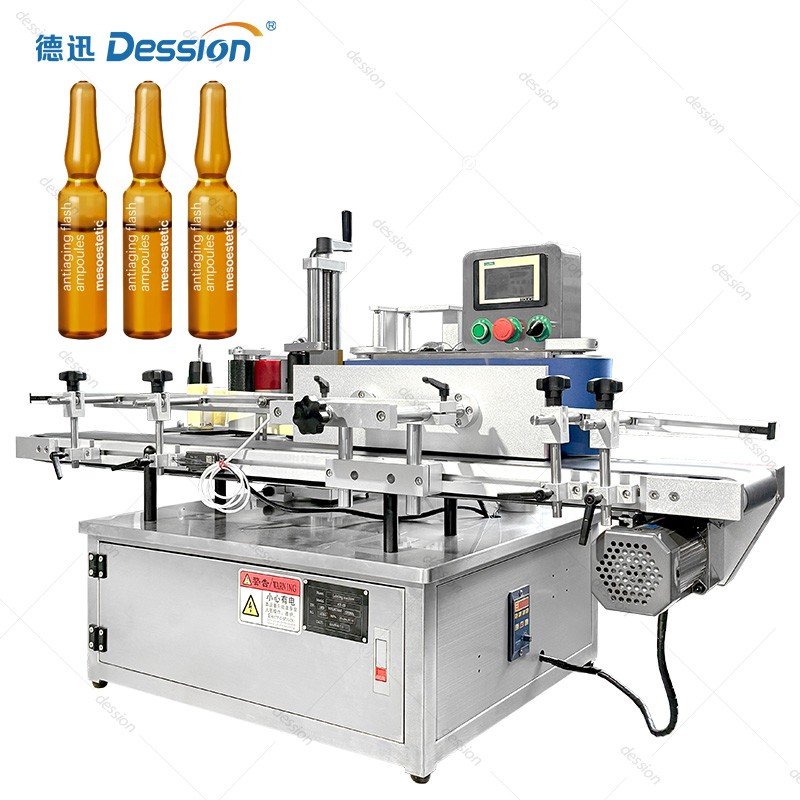
Automatic Ampoule Labeling Machine for Pharmaceutical Vials
High-Precision Automated Labeling for Vials, Ampoules, and Pharma Containers. Confirm the product, pack format and configuration with LINEVO.
View configuration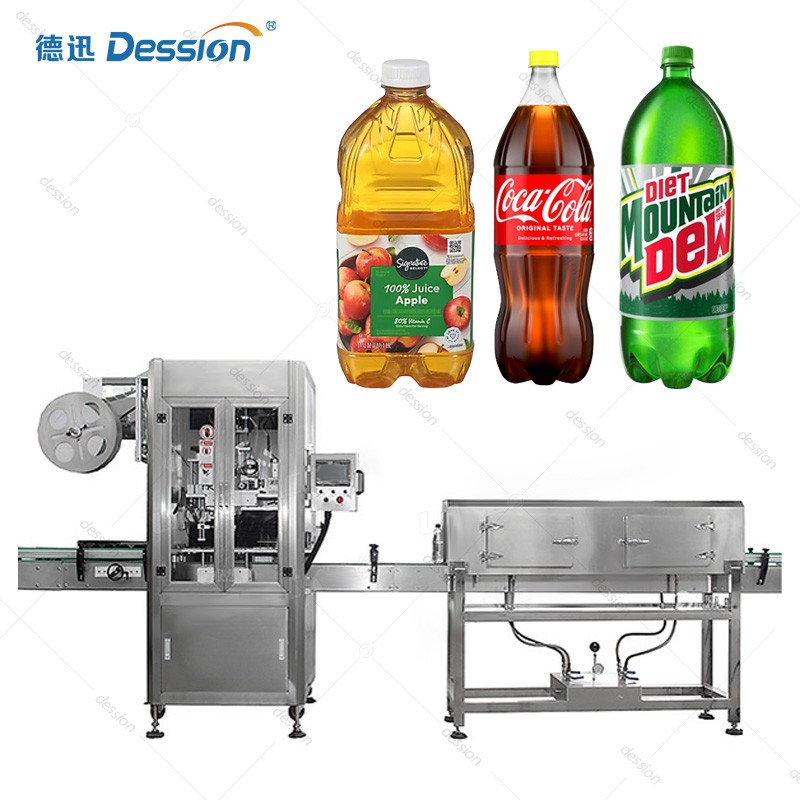
Automatic Beverage Bottle Shrink Sleeve Labeling Machine
High-Speed Precision Shrink Sleeve Application for Beverage Bottling Lines. Confirm the product, pack format and configuration with LINEVO.
View configuration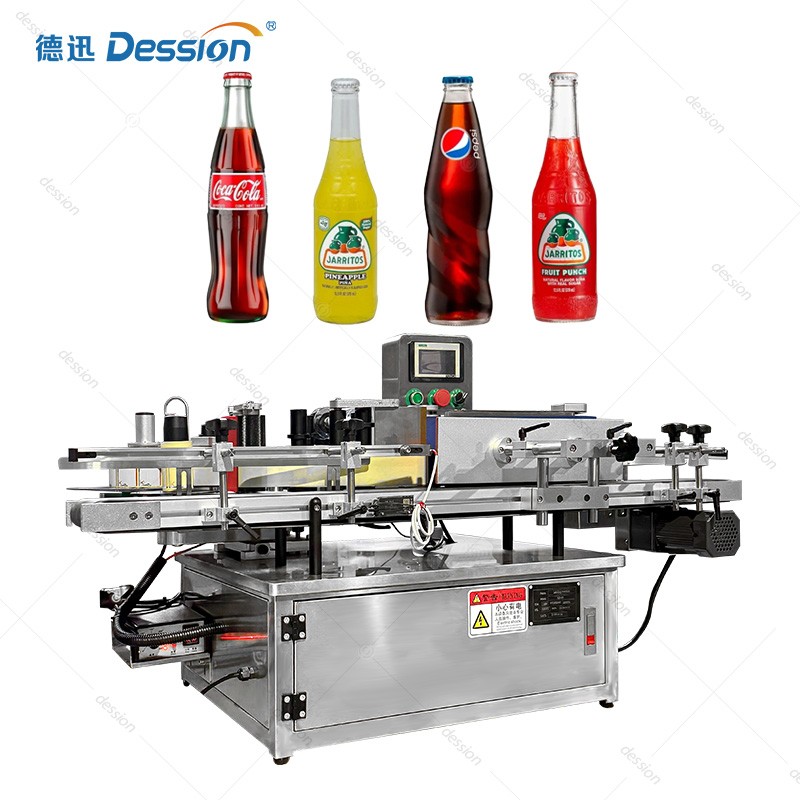
Automatic Filling and Labeling Machine for Carbonated Soft Drinks
Integrated High-Speed Carbonated Filling & Precision Labeling Solutions. Confirm the product, pack format and configuration with LINEVO.
View configuration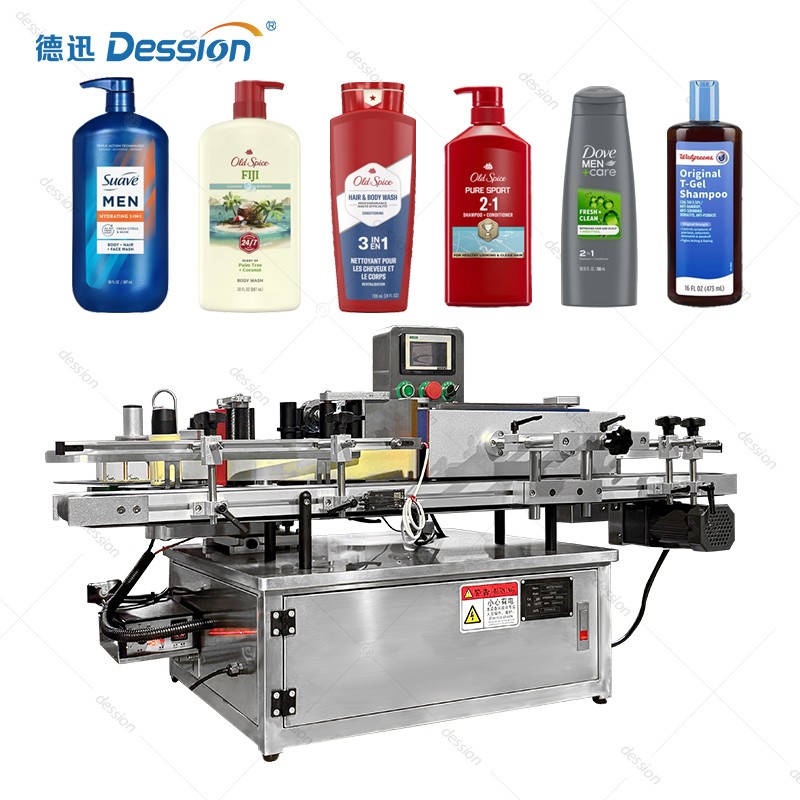
Automatic Flat Bottle Labeling Machine for Lotion & Cosmetic Products
High-Precision Automated Labeling for Cosmetic and Skincare Packaging. Confirm the product, pack format and configuration with LINEVO.
View configuration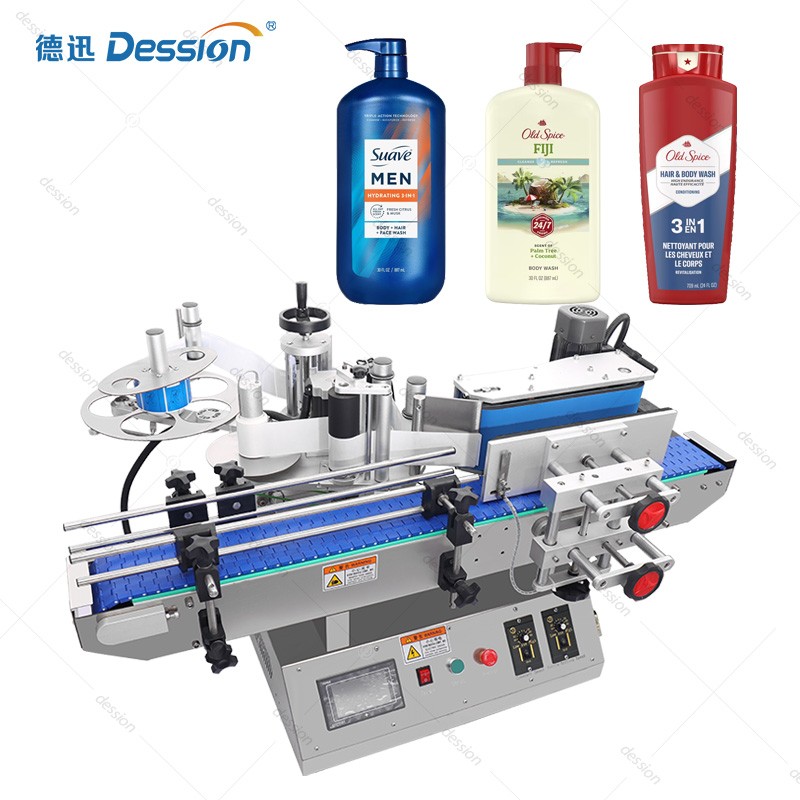
Automatic Flat Bottle Labeling Machine for Shampoo & Personal Care
High-Precision Automated Labeling for Shampoo, Lotion, and Flat Bottles. Confirm the product, pack format and configuration with LINEVO.
View configuration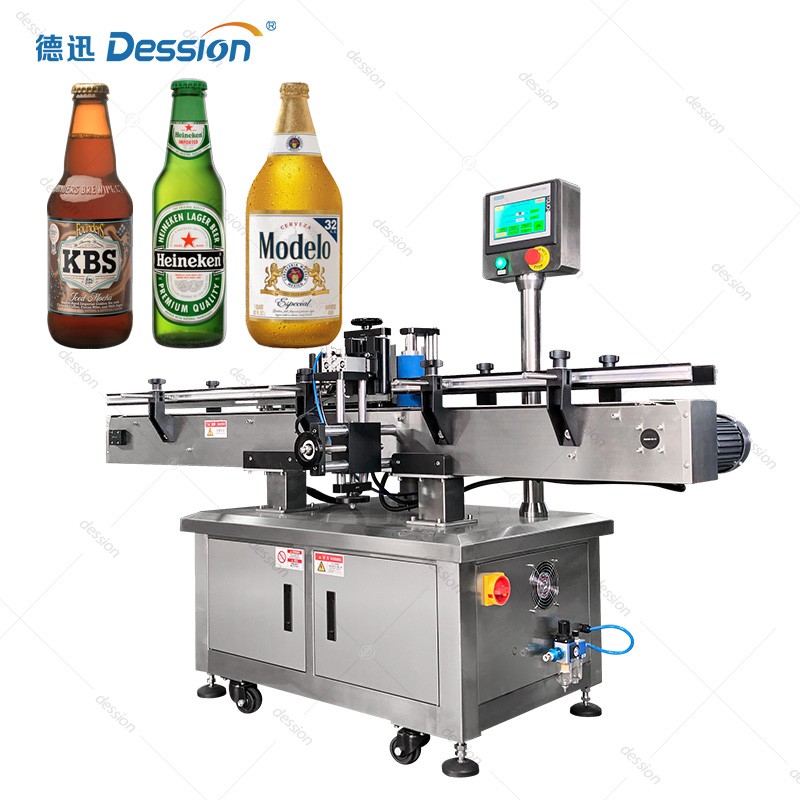
Automatic High-Speed Beer Bottle Labeling Machine
Automatic High-Speed Beer Bottle Labeling Machine. Source-listed applications: Breweries & Beverage Manufacturers; Premium Craft Beer Brands.
View configuration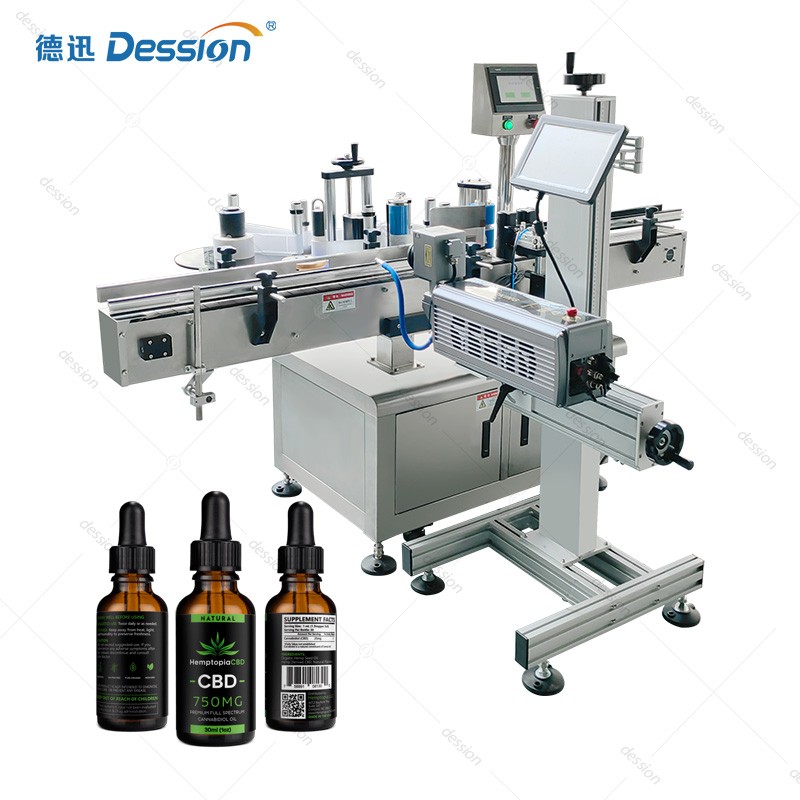
Automatic Labeling Machine for CBD Oil & Essential Oil Bottles
Automatic Labeling Machine for CBD Oil & Essential Oil Bottles. Source-listed applications: Premium Skincare & Wellness Brands.
View configuration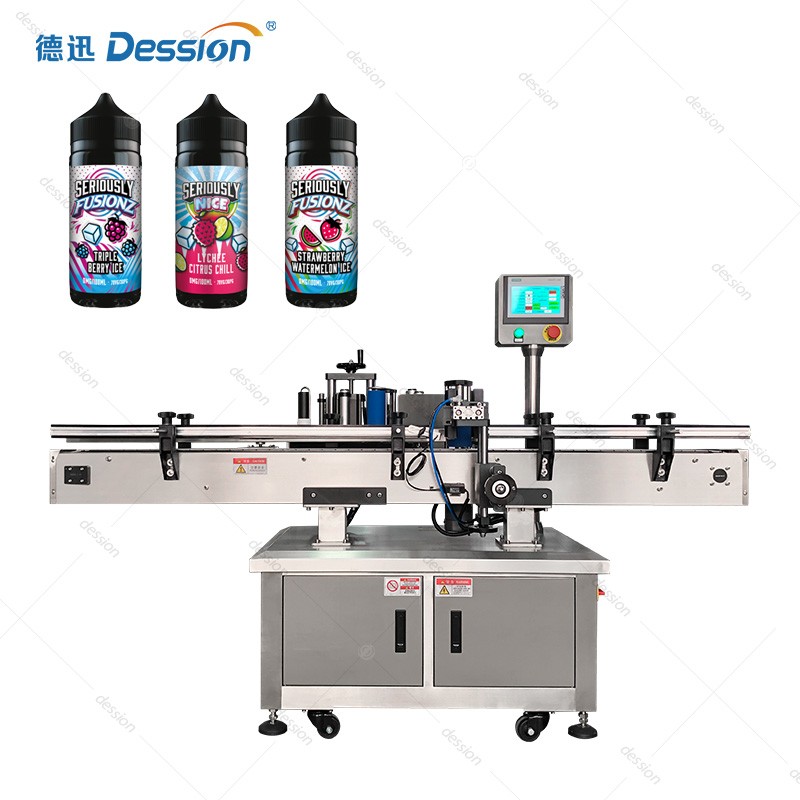
Automatic Labeling Machine for E-Liquid & Vape Juice Bottles
Precision High-Speed Labeling for E-Liquid Vials and Vape Juice Packaging. Confirm the product, pack format and configuration with LINEVO.
View configuration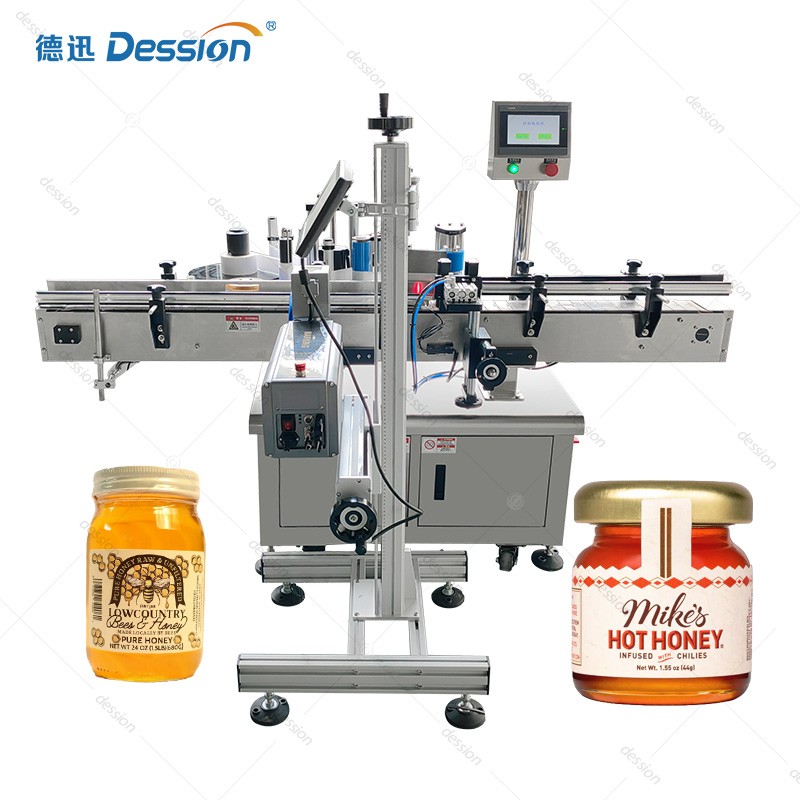
Automatic Labeling Machine for Honey Jars and Glass Containers
Precision High-Speed Labeling for Premium Honey and Glass Jar Packaging. Confirm the product, pack format and configuration with LINEVO.
View configuration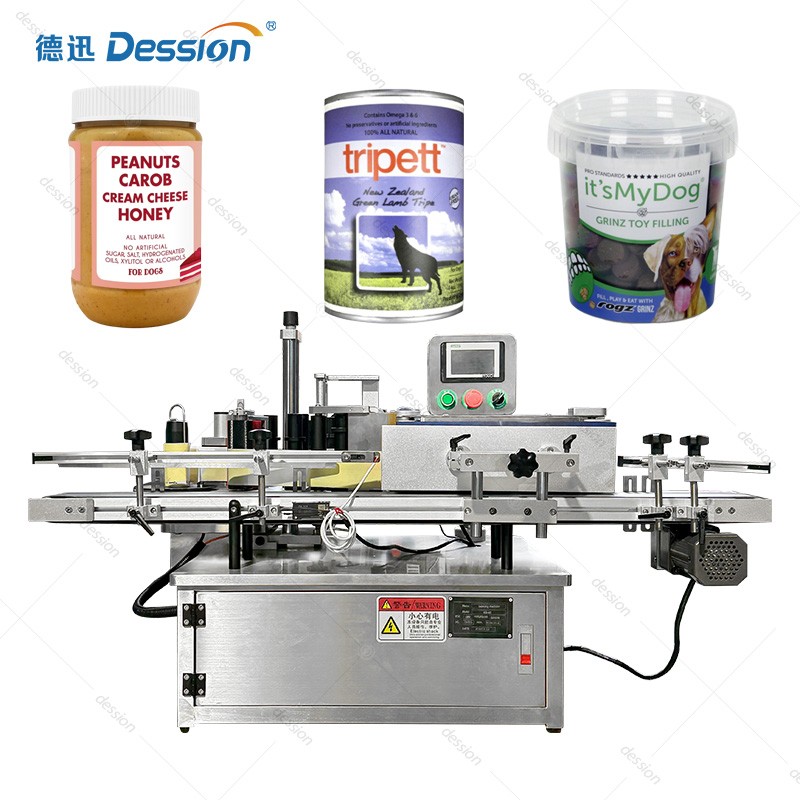
Automatic Labeling Machine for Pet Food Cans & Tins
Automatic Labeling Machine for Pet Food Cans & Tins. Confirm the product, pack format and scope with LINEVO.
View configuration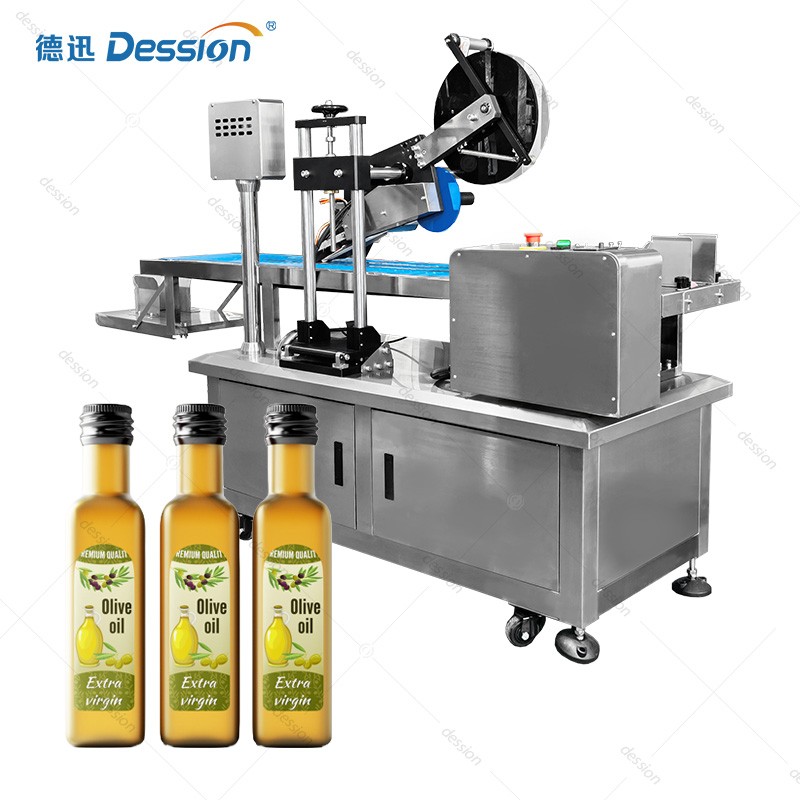
Automatic Labeling Machine for Square Edible Oil Bottles
Automatic Labeling Machine for Square Edible Oil Bottles. Source-listed applications: Edible Oil Manufacturers; Premium Oil Brands.
View configuration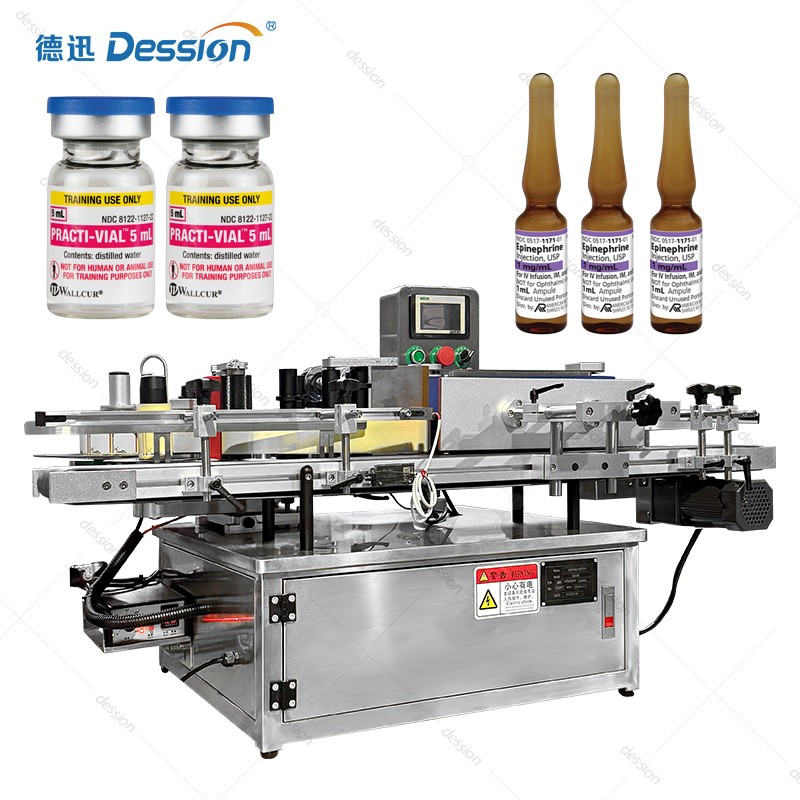
Automatic Labeling Machine for Pharmaceutical Vials & Small Glass Bottles
High-Precision Automated Labeling for Small-Diameter Pharma Containers. Confirm the product, pack format and configuration with LINEVO.
View configuration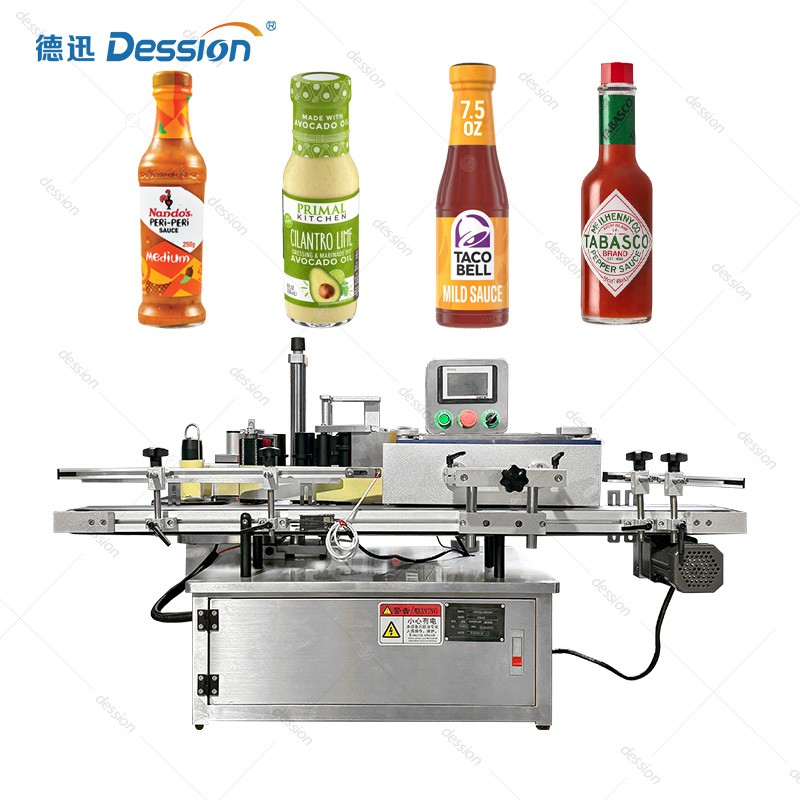
utomatic Labeling Machine for Sauce Bottles and Jars
Precision High-Speed Labeling for Industrial Sauce, Condiment, and Jar Packaging. Confirm the product, pack format and configuration with LINEVO.
View configuration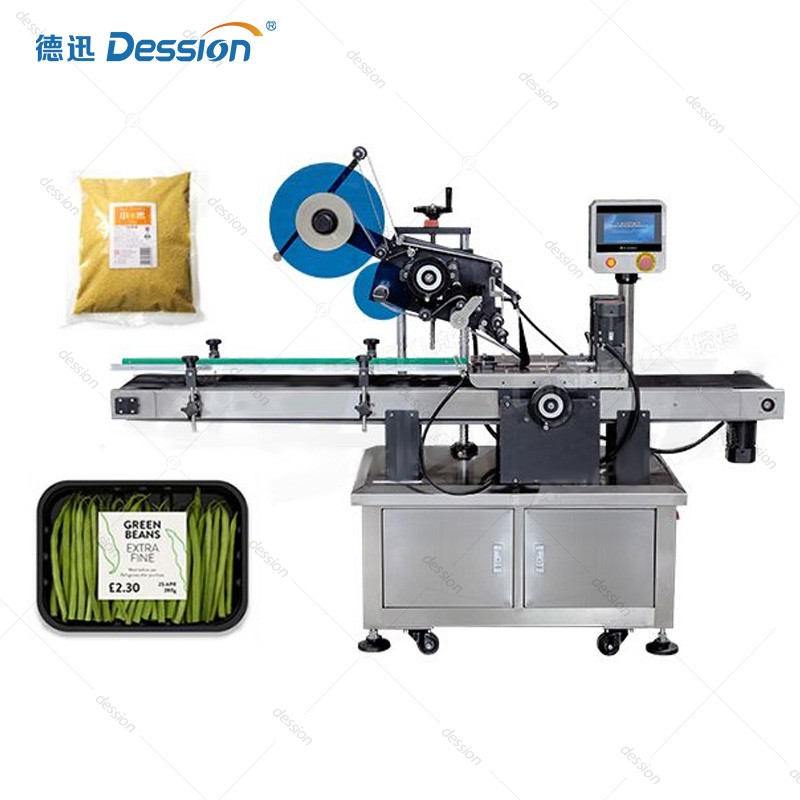
Automatic Top-Surface Labeling Machine for Food Boxes & Cartons
Automatic Top-Surface Labeling Machine for Food Boxes & Cartons. Source-listed applications: Food Manufacturers & Packaging Centers; Premium Retail Food Brands.
View configuration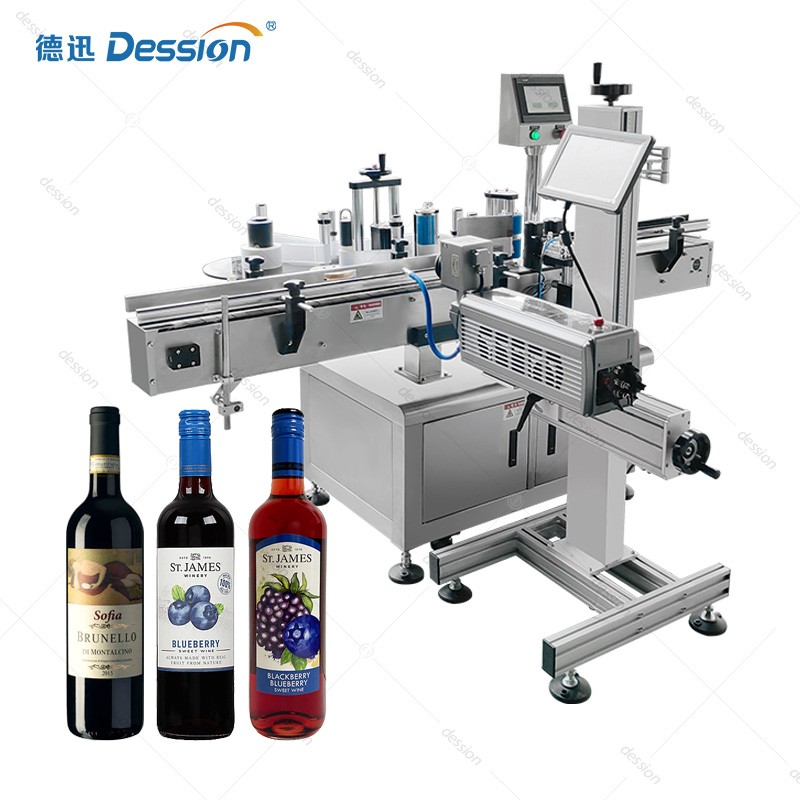
Automatic Wine Bottle Labeling Machine
Automatic Wine Bottle Labeling Machine. Source-listed applications: Wineries & Beverage Manufacturers; Premium Beverage Brands.
View configuration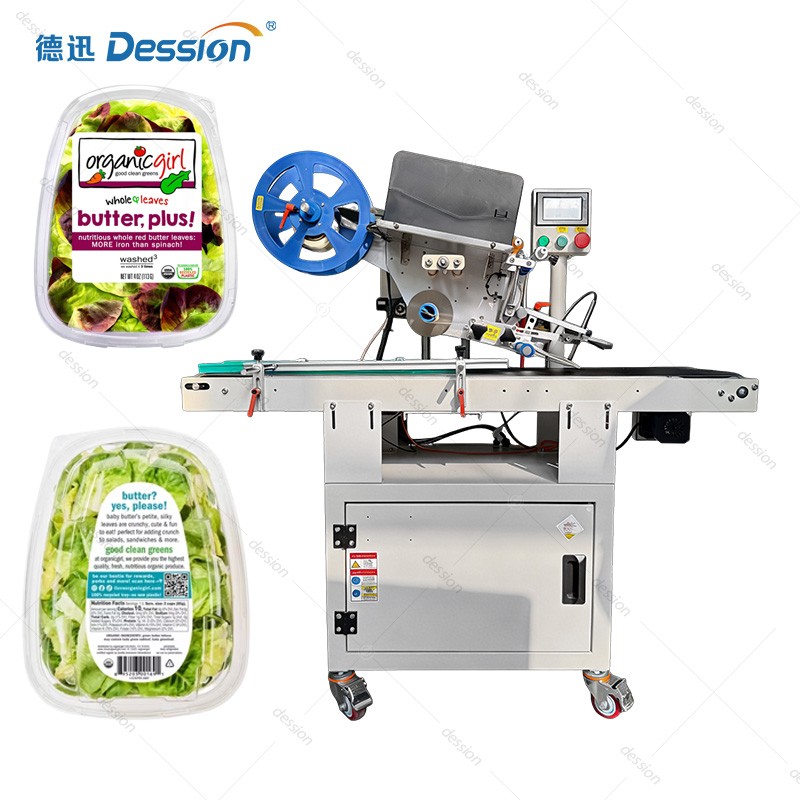
Industrial Box Labeling Line: High-Speed Precision Solutions for Food Packaging
Industrial Box Labeling Line. Source-listed applications: Large-Scale Food Processing Facilities; Premium Brand Manufacturers.
View configuration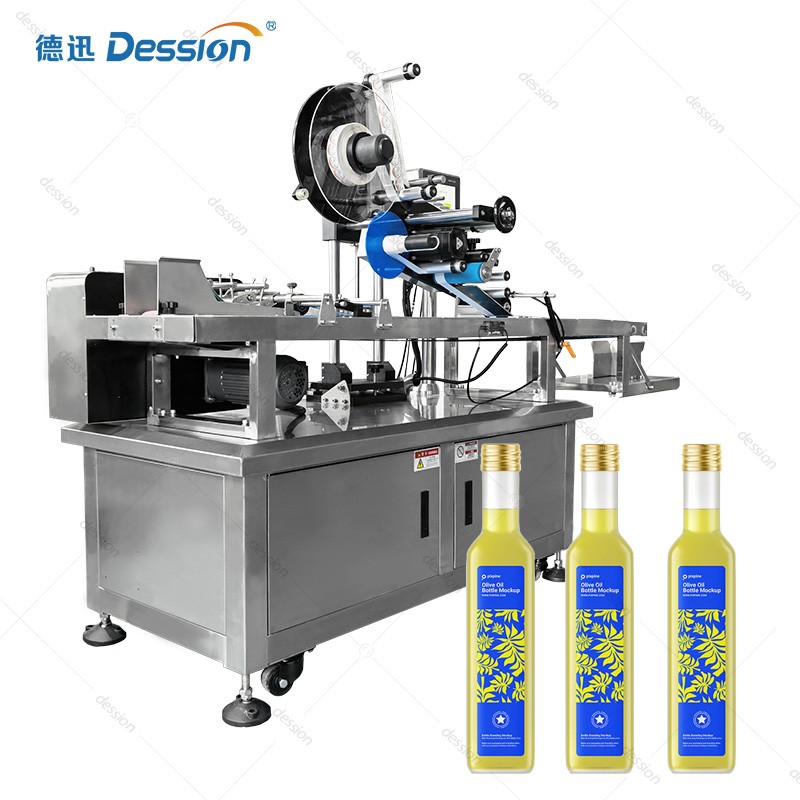
Industrial Edible Oil Bottling Line: High-Precision Multi-Side Labeling Solutions
Industrial Edible Oil Bottling Line. Source-listed applications: Edible Oil Manufacturers; Premium Oil Brands.
View configuration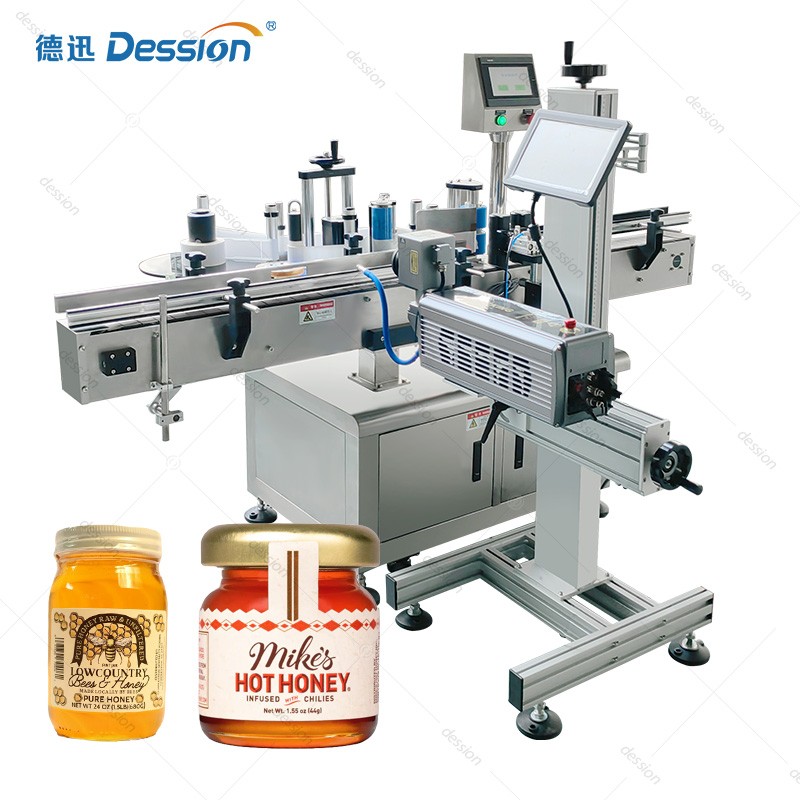
Industrial Honey Packaging Line: High-Precision Jar Labeling Solutions
Industrial Honey Packaging Line. Source-listed applications: Large-Scale Honey & Food Producers; Premium Food Brands.
View configuration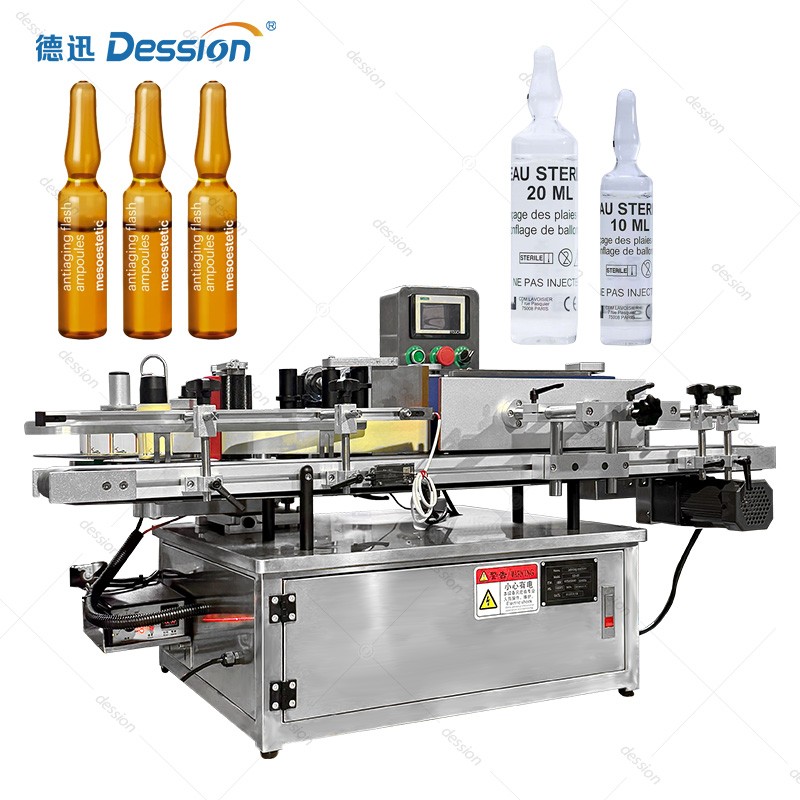
Industrial Pharmaceutical Labeling Line: Precision Ampoule & Vial Solutions
High-Precision Integrated Solutions for Ampoules, Vials, and Pharma Packaging. Confirm the product, pack format and configuration with LINEVO.
View configuration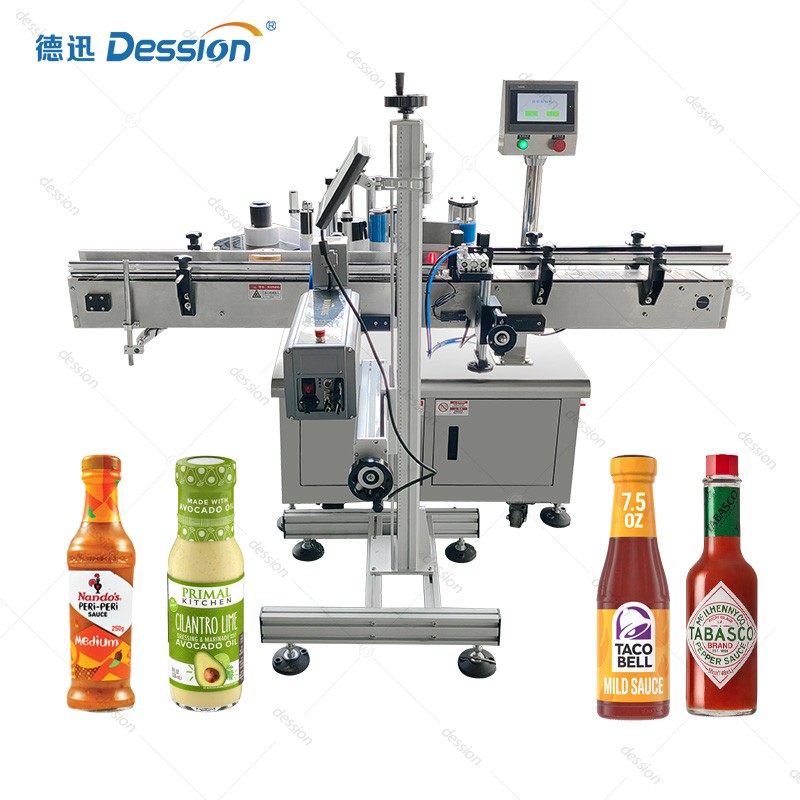
Industrial Sauce Bottling & Labeling Line: High-Speed Precision Solutions
Industrial Sauce Bottling & Labeling Line. Source-listed applications: Large-Scale Condiment Manufacturers; Food Processing Plants.
View configuration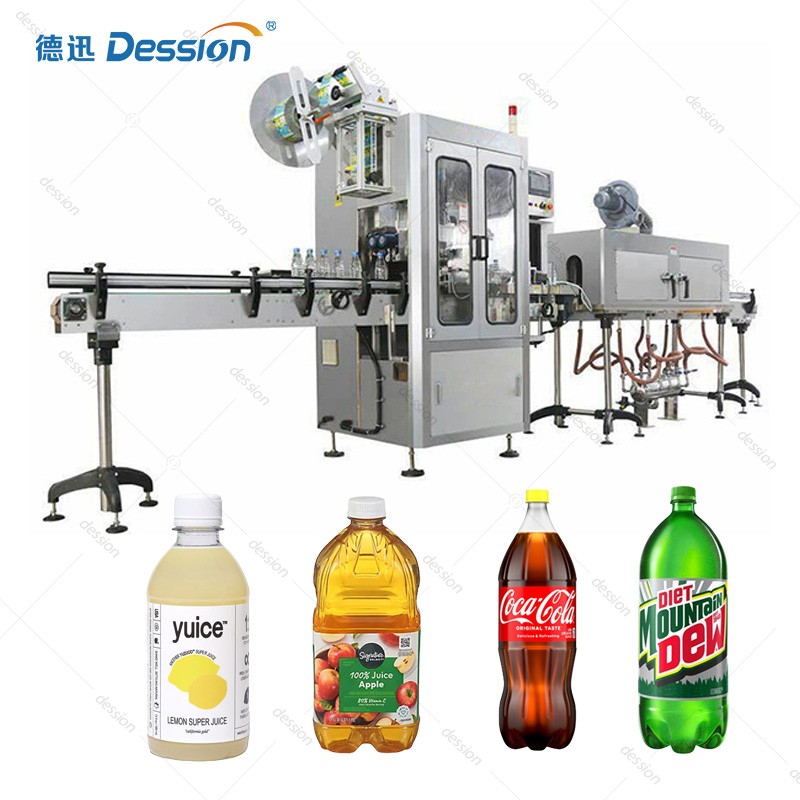
Industrial Shrink Sleeve Labeling Line: High-Speed Integrated Solutions
Industrial Shrink Sleeve Labeling Line. Source-listed applications: Beverage & Liquid Manufacturers; Brand Supply Chains.
View configuration