
Where vertical form fill seal fits
A vertical form fill seal (VFFS) machine makes the bag and fills it in one continuous process. Film from a single reel is shaped into a tube, sealed along its length, filled from above and then sealed and cut across. It suits solids, granules and powders that can fall into the bag under gravity.
The 60 configurations in this family cover snacks and puffed food, confectionery and gummies, coffee beans and ground coffee, nuts and dried fruit, rice, grains and pulses, pet food, frozen food and seafood, seasonings, baking mixes and detergent powder. Many are the same vertical bagger paired with a different dosing unit for a different product.
- Snacks, nuts, confectionery and frozen food weighed by multihead weigher
- Coffee, seasoning, baking mix and detergent powders dosed by auger
- Grains, beans and uniform granules dosed by weigher or volumetric cup
- Pillow, gusseted, quad-seal and vacuum bag styles, confirmed per configuration
How the vertical process works
Each bag passes through the same sequence of stations. The dosing unit above the machine is timed to release a portion while the jaws close on the previous bag.
- Film unwinding and tension control, with a registration sensor when the film is printed
- Forming shoulder and forming tube, which set the bag width
- Longitudinal back seal made as a fin or lap seal
- Film pulling by belts, shown as servo-driven in many catalog configurations
- Product discharge from the weigher or filler into the forming tube
- Transverse jaws that seal the top of one bag and the bottom of the next, with a knife to separate them
- Optional devices such as gas flushing, date coding, hole punching, gusseting or a degassing valve applicator
- Discharge conveyor to checkweighing, metal detection or secondary packaging
Choose the dosing system for the product
The dosing unit usually decides whether a VFFS project works. It is chosen from the product's flow, piece size, stickiness and the fill tolerance you need, and it must be matched to the bagger's tube size, drop height and cycle timing.
Liquid dosing is not part of the configurations in this family. Liquids, gels and sauces in single-serve packs are covered by the stick pack and sachet families.
- Multihead (combination) weigher: irregular pieces such as chips, nuts, candy, frozen food, kibble and coffee beans. Dimpled or coated contact surfaces appear in configurations for sticky dates and gummies.
- Auger filler: fine or poorly flowing powders such as coffee powder, seasonings, baking mixes, soy products and detergent powder. Screw tooling and dust control depend on the powder.
- Volumetric cup filler: free-flowing, uniform granules where volume tracks weight closely. It is simpler than a weigher but sensitive to changes in bulk density.
Bag styles and film
The bag style fixes the forming set and the jaw design. Film structure then decides the sealing temperature, pressure and dwell time the jaws must deliver, so send the film specification together with a reel sample.
A few configurations in this family show a stand-up pouch or doypack module for oats and pet food. Those use premade pouches rather than roll film and should be compared with the premade pouch route.
- Pillow bag: back seal plus top and bottom seals, the most common VFFS format
- Gusseted bag: side gussets for more volume and a squarer shape
- Quad-seal (stabilo) bag: four corner seals and a flat base, shown for coffee beans
- Vacuum bags for rice, grains, dried fruit and frozen seafood
- Film structure, sealing layer and any paper-based or recyclable material to be confirmed with the seal settings
Gas flushing, vacuum and difficult products
Nitrogen flushing appears in configurations for chips, coffee, nuts and pet food. The residual oxygen you achieve depends on the film barrier, bag volume, seal integrity and flushing arrangement, so it has to be measured on a trial rather than assumed.
Some products need design choices beyond the dosing unit. State these at the start, because they change materials, extraction and cleaning access.
- Roasted coffee: degassing valve placement and aroma protection
- Fine powders: dust extraction near the jaws, since powder in the seal area causes leaking bags
- Sticky or frozen products: anti-stick contact surfaces, condensation and low room temperatures
- Detergents and other chemicals: corrosion-resistant construction, listed for some detergent configurations
- Fragile snacks: drop height and product breakage between weigher and bag
What determines the configuration
Output depends on bag length, fill weight, how quickly the product settles, the film and the seal time. Speeds listed on individual configurations apply to their stated conditions; the figure for your project is confirmed in the quotation.
- Product name, physical form, bulk density and piece size
- Target fill weights and the acceptable tolerance for each
- Bag style, width and length for every format you plan to run
- Film structure and reel specification
- Required output in good bags per minute, and hours per day
- Number of products and how often you change over
- Gas flushing, vacuum, valve, coding or inspection requirements
- Room conditions such as humidity, temperature, dust and washdown
- Utilities available on site, including power, compressed air and nitrogen
Upstream and downstream equipment
A VFFS system usually includes a product elevator or feeder, the weigher or filler on a support platform, the bagger and a take-away conveyor. Checkweighers, metal detectors, cartoners and case packers may follow. Agree which of these units are in the quotation and who is responsible for each interface.
For single-serve portions in narrow packs, a multi-lane stick pack machine is usually a better fit than a vertical bagger. Retail pouches with zippers or spouts belong to the premade pouch route.
What to send for an evaluation
Send enough information to judge the product and the bag together. The quantity of product needed for a trial is agreed with the team before anything is shipped.
- Product description and photos, plus a representative sample when a trial is planned
- Film specification or reel sample, and a finished bag or drawing
- Fill weights, bag dimensions and required output
- A short video of the current packing process, if there is one
Questions buyers ask about VFFS machines
Can one machine pack both powders and pieces? Only if a second dosing unit is included or swapped in. An auger filler and a multihead weigher are different machines, so running both is a project decision rather than a setting.
How many bag widths can one machine make? Each forming set makes one bag width, while bag length is adjusted within the machine's range. Extra widths need extra forming sets, which should be listed in the quotation.
Is nitrogen flushing standard? No. It is an option in several configurations. Define the nitrogen supply, the target residual oxygen and how it will be measured.
Should I choose VFFS or premade pouches? Roll film usually costs less per pack and suits long runs of a few formats. Premade pouches give retail features such as zippers and spouts and simpler size changes. The right answer depends on your formats and volumes.
60 models and configurations
Open a model to review its configuration, specifications and supporting information.
60 / 60 configurations
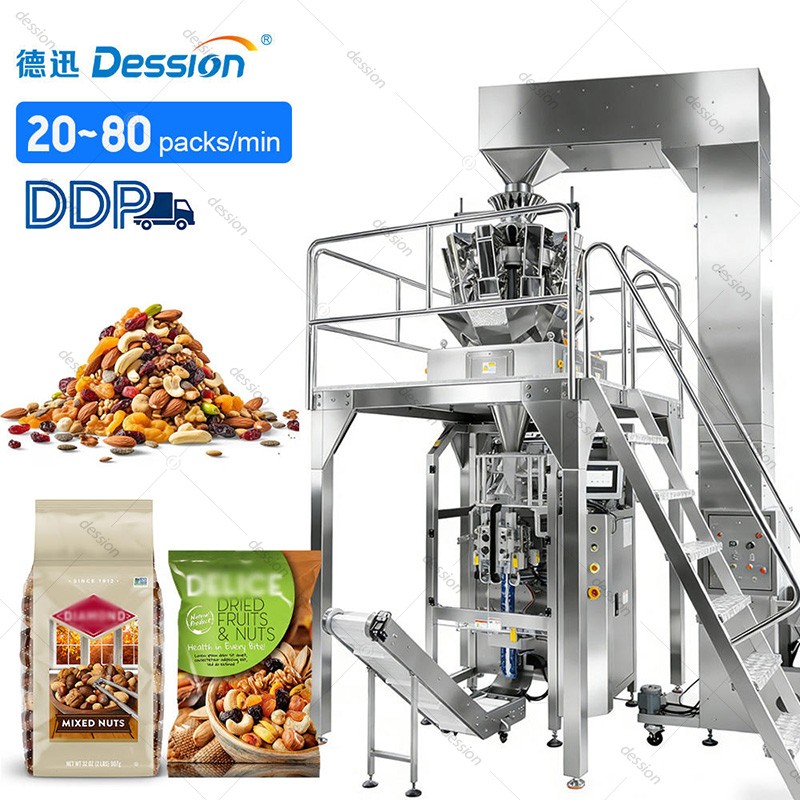
VFFS Packaging System with Multihead Weigher
A vertical roll-film packaging system with multihead weighing for nuts and dried fruits.
View configuration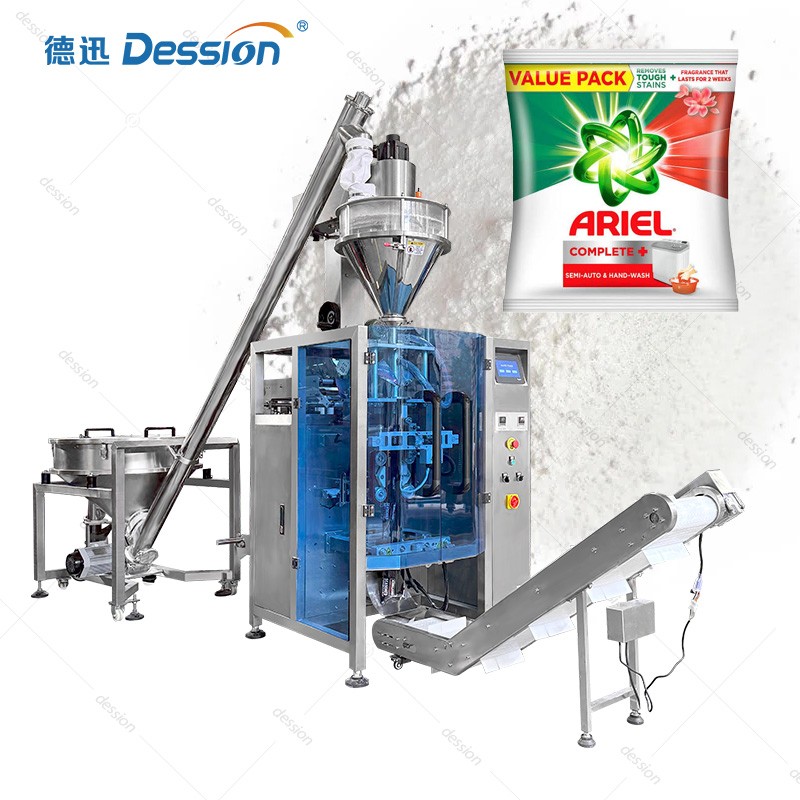
Anti-Corrosive VFFS Detergent Powder Packaging Machine with Dust Collector
Industrial Heavy-Duty Vertical Powder Bagging Line with Advanced Chemical-Resistant Build & Integrated Dust Extraction.
View configuration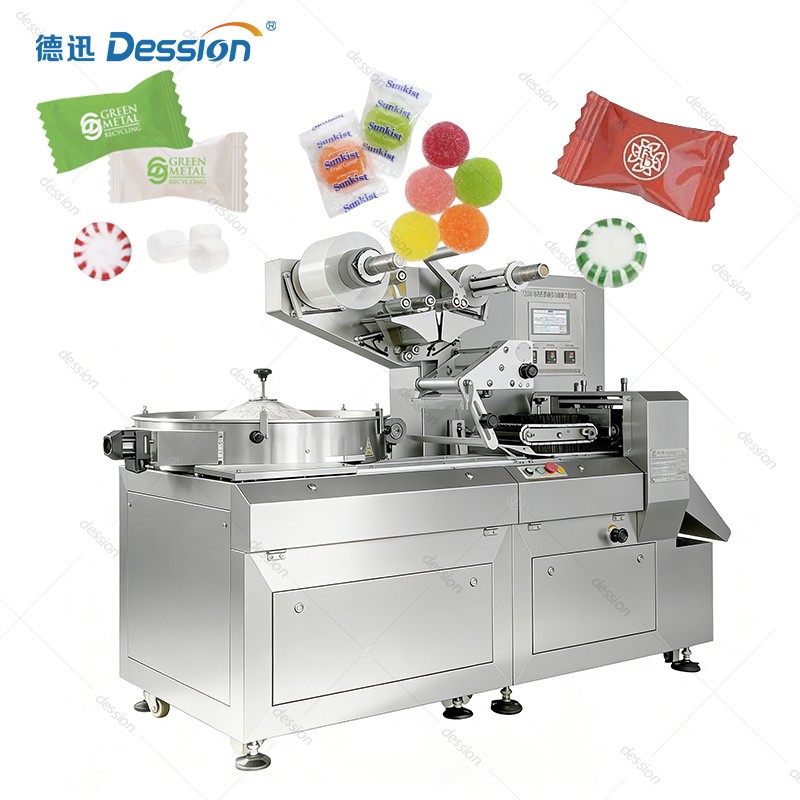
Automatic Candy Packaging Machine
Precision High-Speed Packaging Solutions for Confectionery Production. Confirm the product, pack format and configuration with LINEVO.
View configuration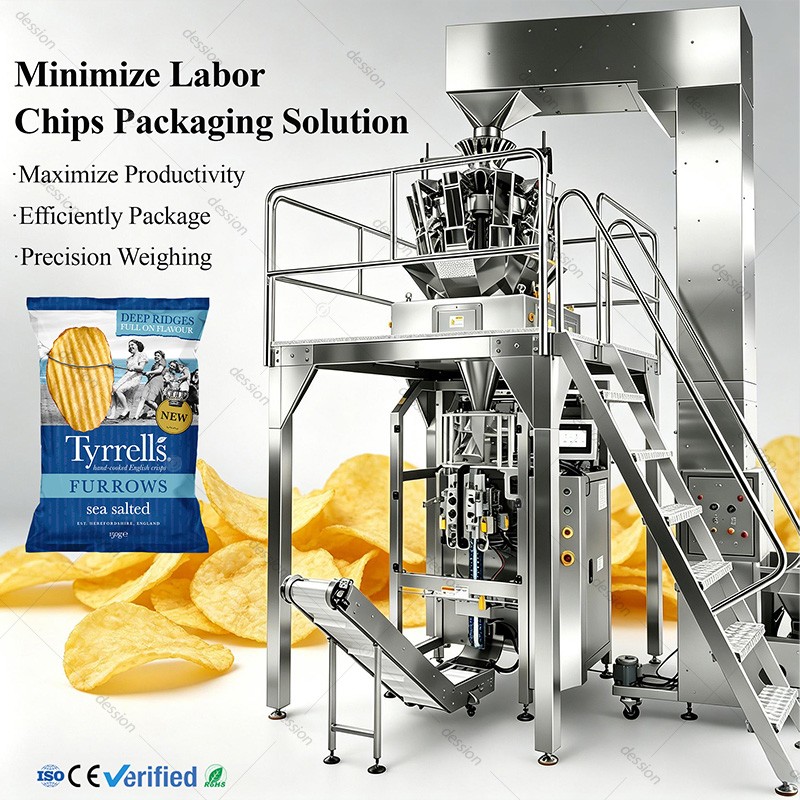
Automatic Chips Snack Weighing Packing Machine With Nitrogen for 500g 1kg Potato Banana Chips Bag Packaging Machine
Automatic Chips Snack Weighing Packing Machine With Nitrogen for 500g 1kg Potato Banana Chips Bag Packaging Machine.
View configuration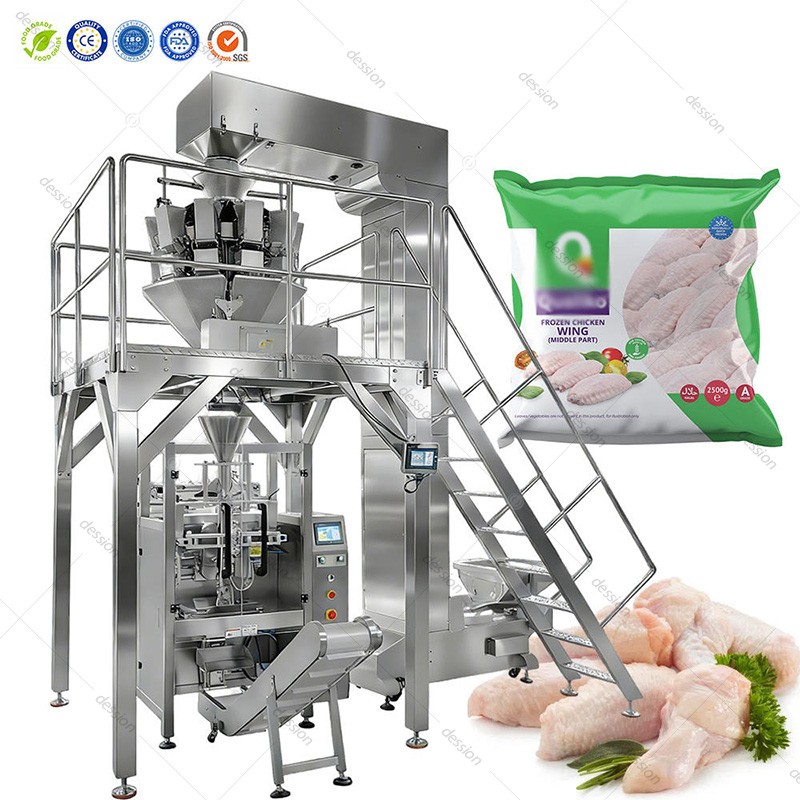
Automatic Frozen Food Big Bag Vertical Packing Machine French Fries Meatball Chicken Wings Meat Weighing and Packaging Machine
Automatic Frozen Food Big Bag Vertical Packing Machine French Fries Meatball Chicken Wings Meat Weighing and Packaging Machine.
View configuration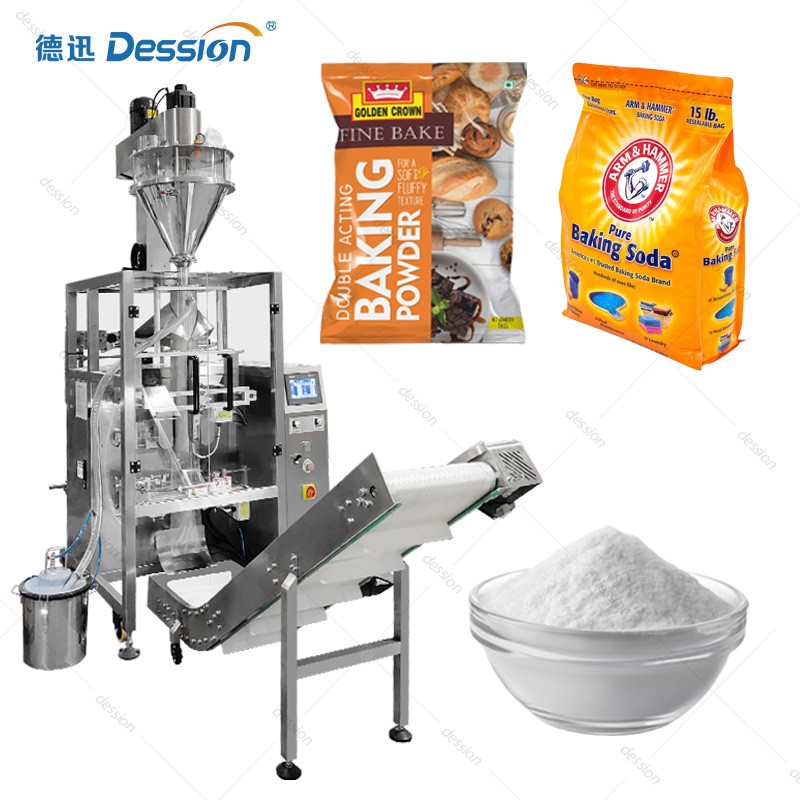
Automatic High-Speed Baking Powder Packaging Machine
Dust-Free Precision Packaging for Baking Powder and Fine Food Powders. Confirm the product, pack format and configuration with LINEVO.
View configuration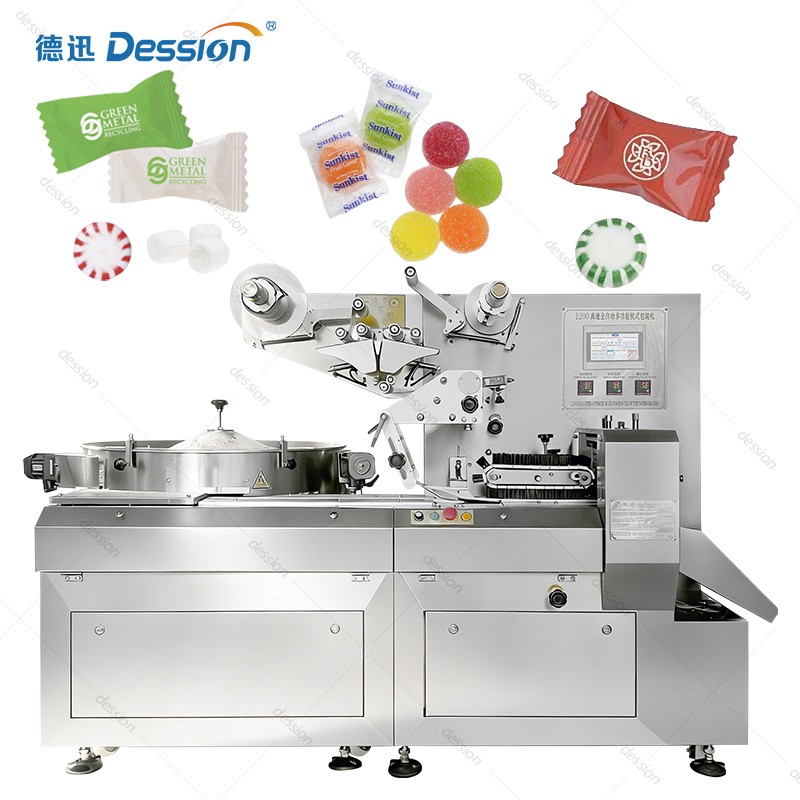
Automatic High-Speed Candy Packaging Machine
High-Efficiency Packaging Solutions for Hard Candies, Gummies, and Confectionery. Confirm the product, pack format and configuration with LINEVO.
View configuration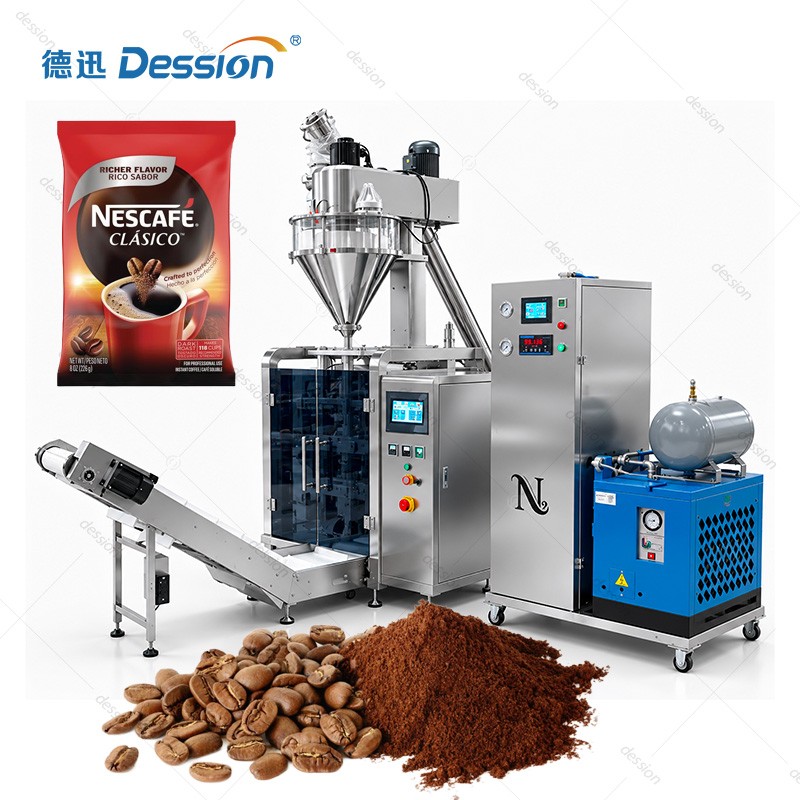
Automatic High-Speed Coffee Powder Packaging Machine
Precision High-Speed Packaging for Ground Coffee and Instant Coffee Powder. Confirm the product, pack format and configuration with LINEVO.
View configuration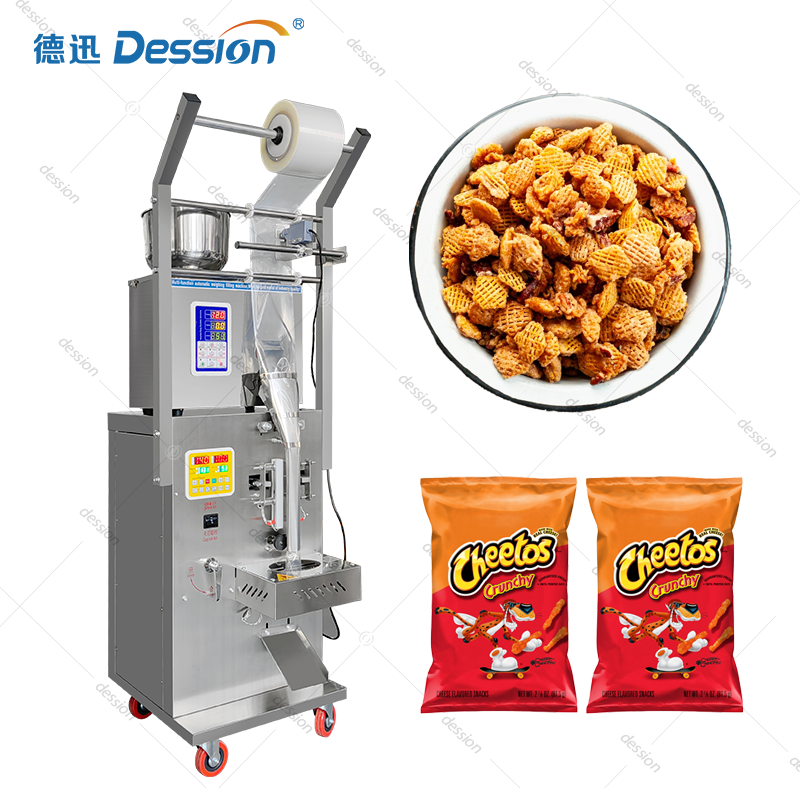
Automatic Nitrogen Gas Flush Vertical Packing Machine for Potato Chips and Snacks
Advanced VFFS Freshness-Preserving Packaging System with Integrated Gas Injection. Confirm the product, pack format and configuration with LINEVO.
View configuration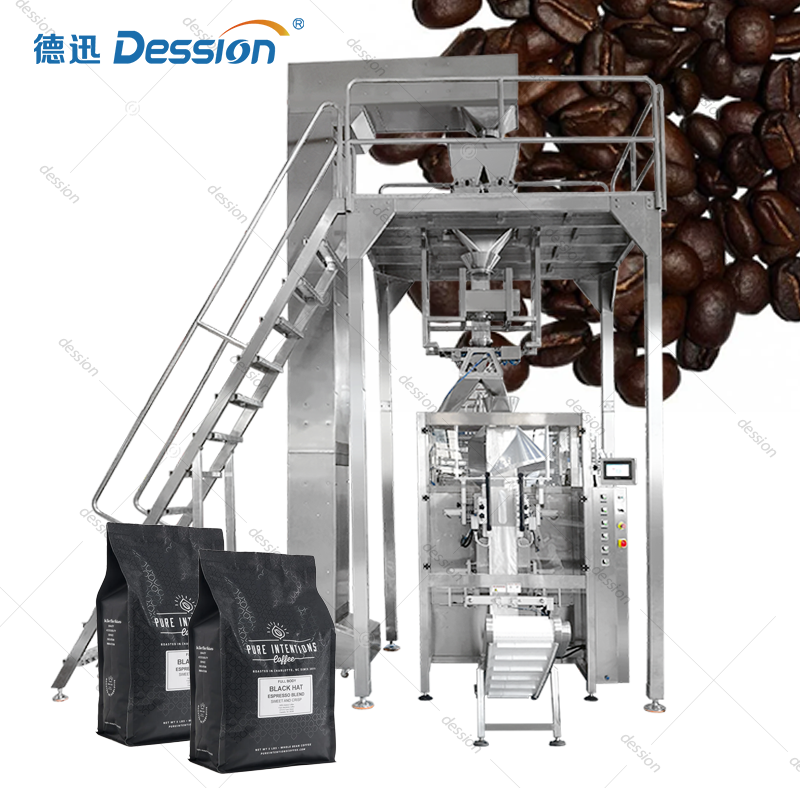
Automatic Quad Seal Bag Vertical Coffee Bean Packaging Machine
Automatic Quad Seal Bag Vertical Coffee Bean Packaging Machine. Source-listed applications: Commercial Coffee Roasters; Specialty Coffee Brands.
View configuration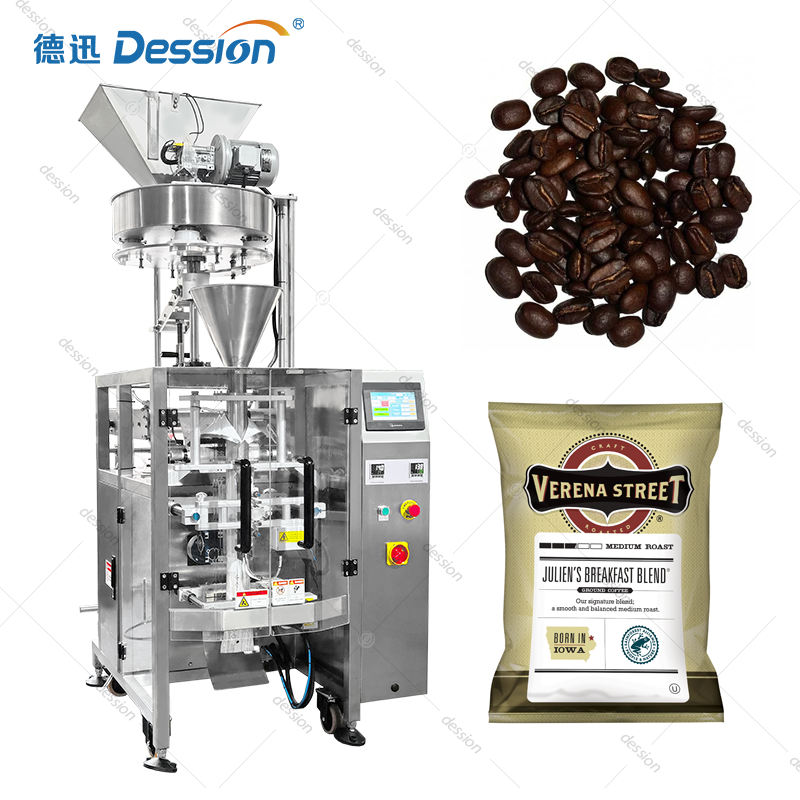
Automatic Quad Seal VFFS Coffee Bean Packaging Machine with Multihead Weigher
Automatic Quad Seal VFFS Coffee Bean Packaging Machine with Multihead Weigher. Source-listed applications: Premium Specialty Coffee Brands.
View configuration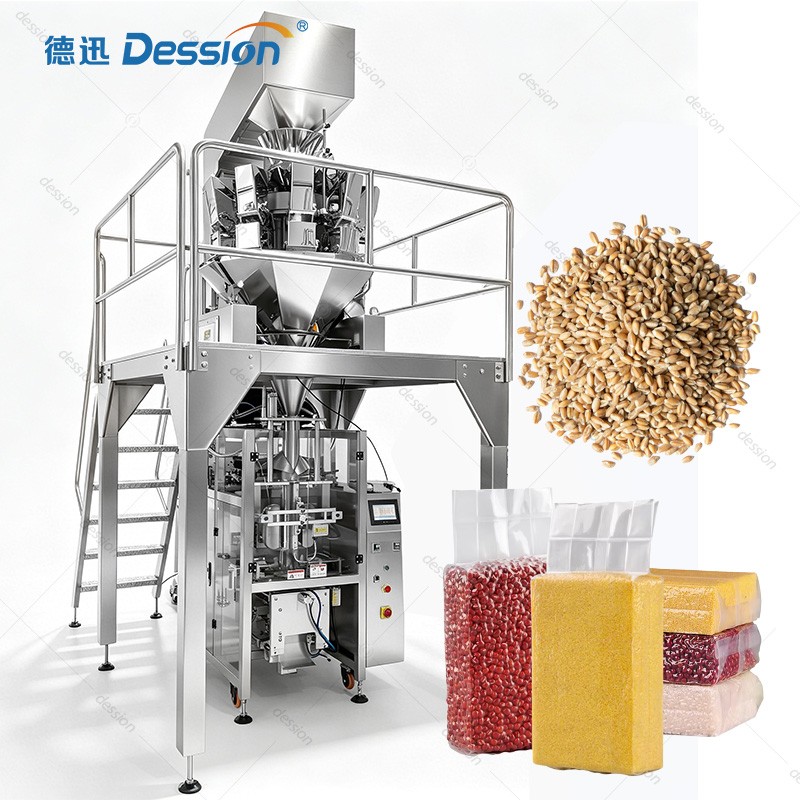
Automatic Vacuum Packaging Machine from Leading China Manufacturer for Whole Wheat, Grains, and Rice
Automatic Vacuum Packaging Machine. Source-listed applications: Grain & Rice Processors; Premium Organic Food Brands.
View configuration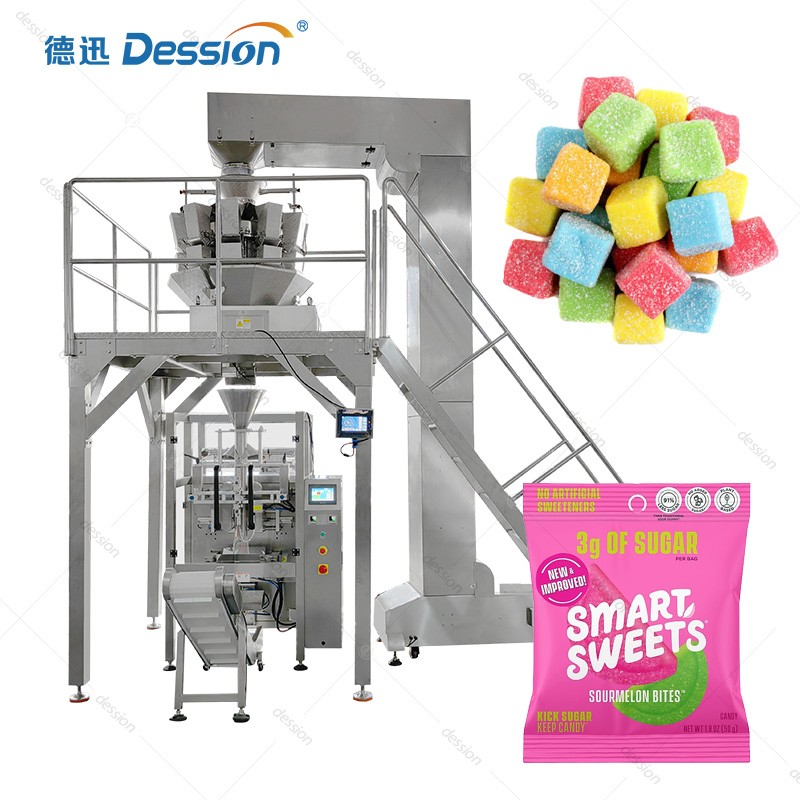
Automatic Vertical Candy Packaging Machine from Leading China Manufacturer for Hard Candies, Gummies, and Toffees
High-Speed Packaging Solutions for Hard Candies, Gummies, and Toffees. Confirm the product, pack format and configuration with LINEVO.
View configuration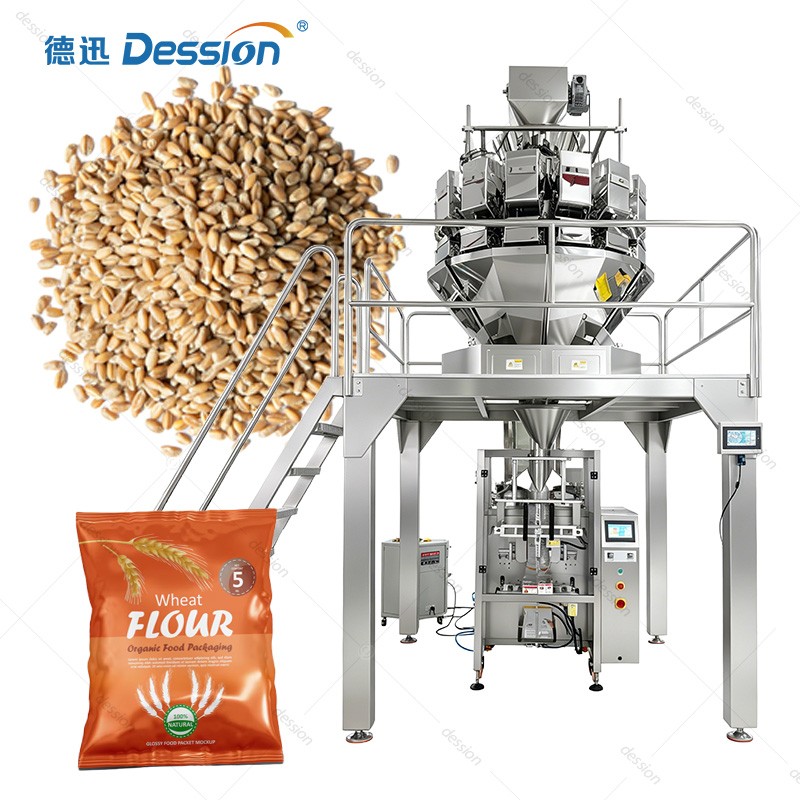
Automatic Vertical Cereal Packaging Machine from Leading China Manufacturer for Grains, Oats, and Breakfast Cereals
Professional Packaging Solutions for Grains, Oats, and Breakfast Cereals. Confirm the product, pack format and configuration with LINEVO.
View configuration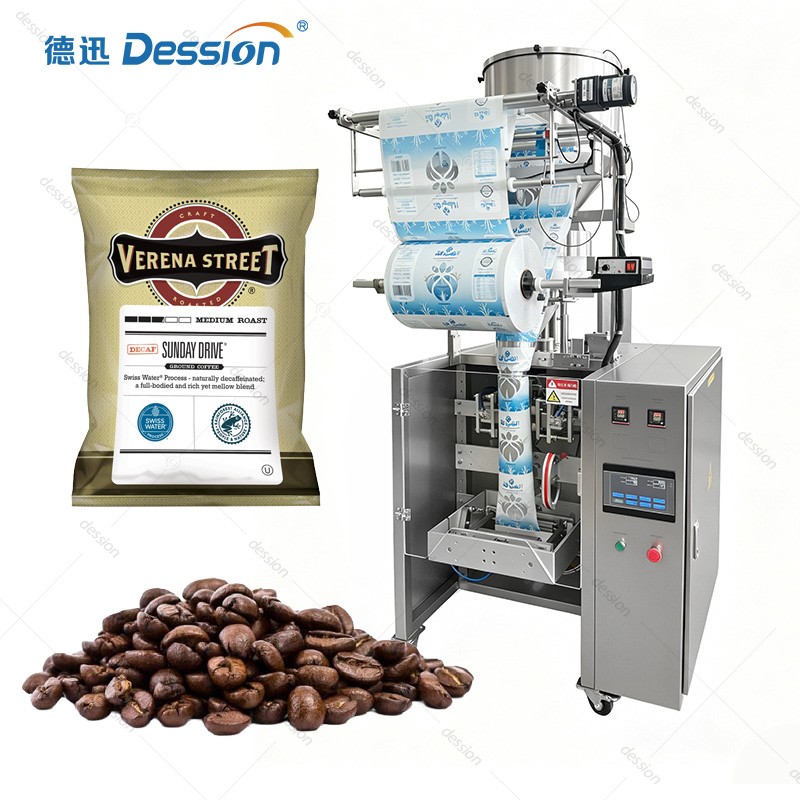
Automatic Vertical Coffee Bean Packaging Machine from Leading China Manufacturer: Solutions for Whole Beans and Ground Coffee
Automatic Vertical Coffee Bean Packaging Machine. Source-listed applications: Coffee Roasters & Co-Packers; Premium Coffee Market.
View configuration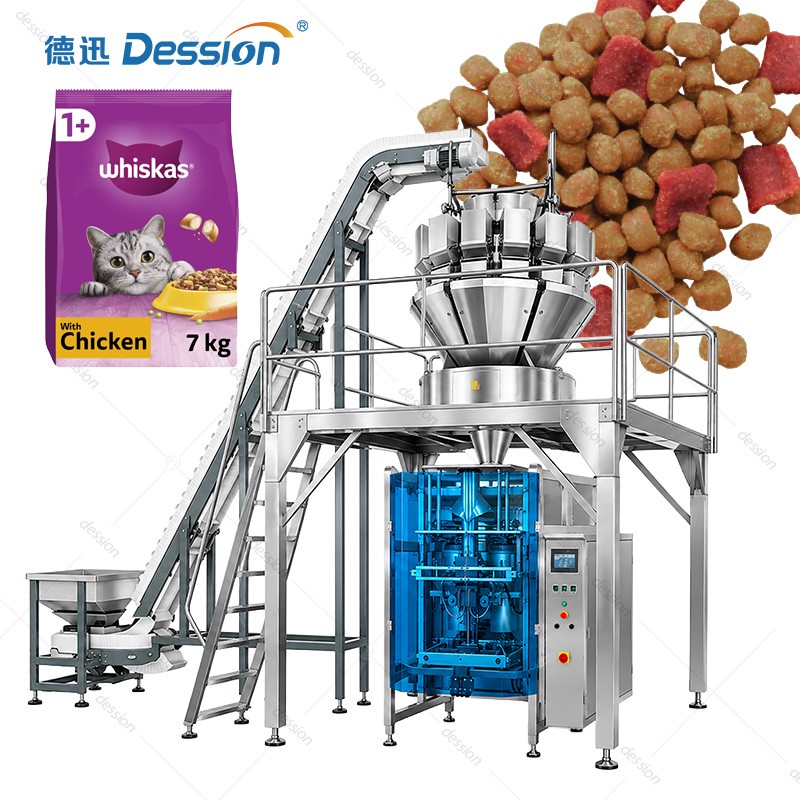
Automatic Vertical Pet Food Packaging Machine from Leading China Manufacturer: Solutions for Dry Kibble and Treats
Professional Solutions for Dry Kibble and Treats | Heavy-Duty & Fresh-Seal. Confirm the product, pack format and configuration with LINEVO.
View configuration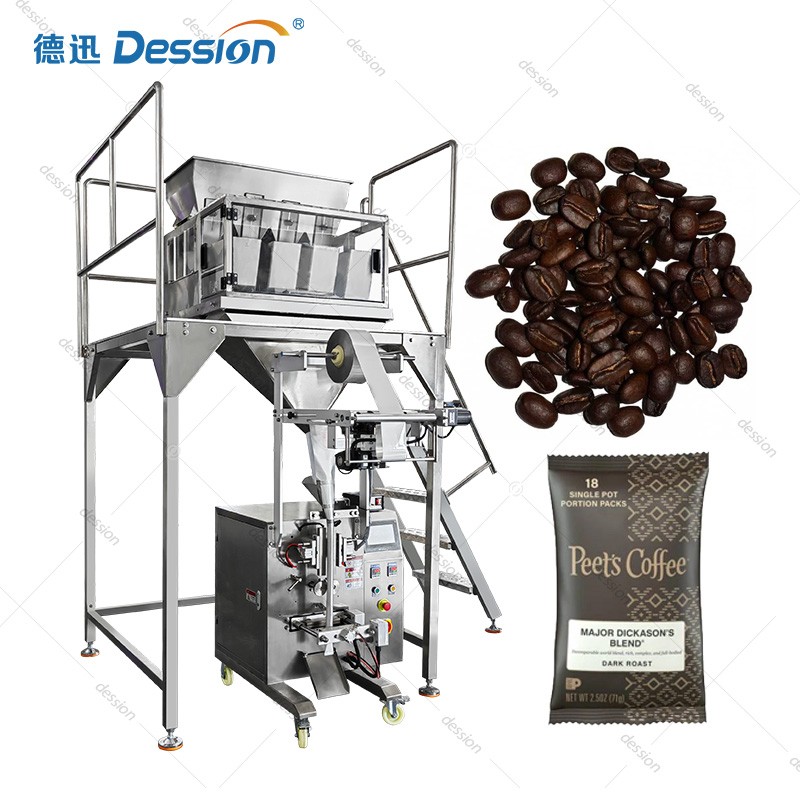
Automatic VFFS Coffee Bean Packaging Machine with Multihead Weigher
Automatic VFFS Coffee Bean Packaging Machine with Multihead Weigher. Source-listed applications: Specialty Coffee Roasters; Commercial Coffee Processing Plants.
View configuration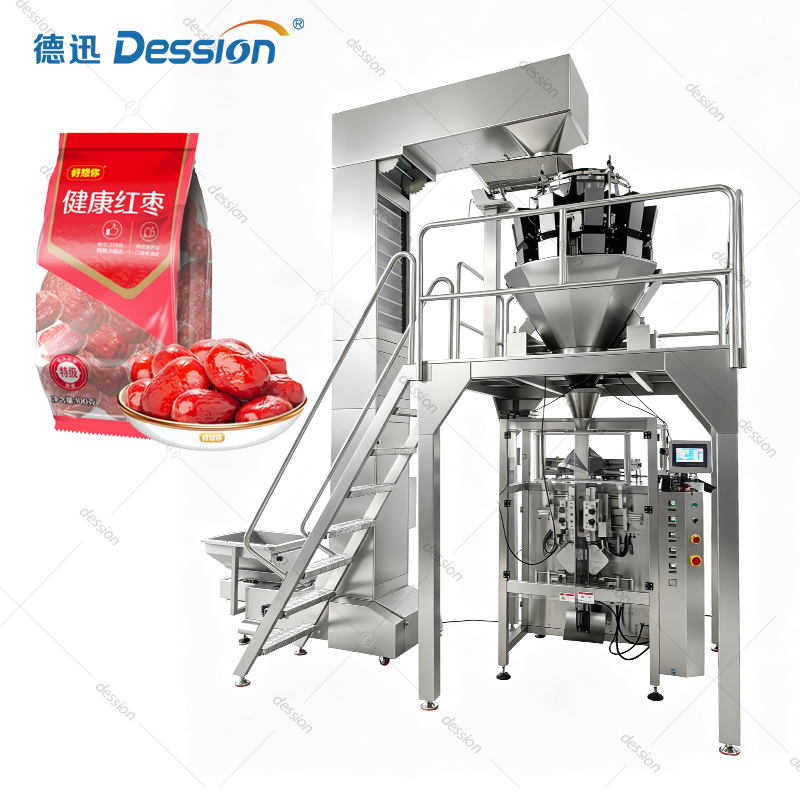
Automatic VFFS Dates Packaging Machine with Anti-Sticking Multihead Weigher
High-Precision Vertical Packaging Line for Sticky Dates, Fruits, and Oily Coffee Beans. Confirm the product, pack format and configuration with LINEVO.
View configuration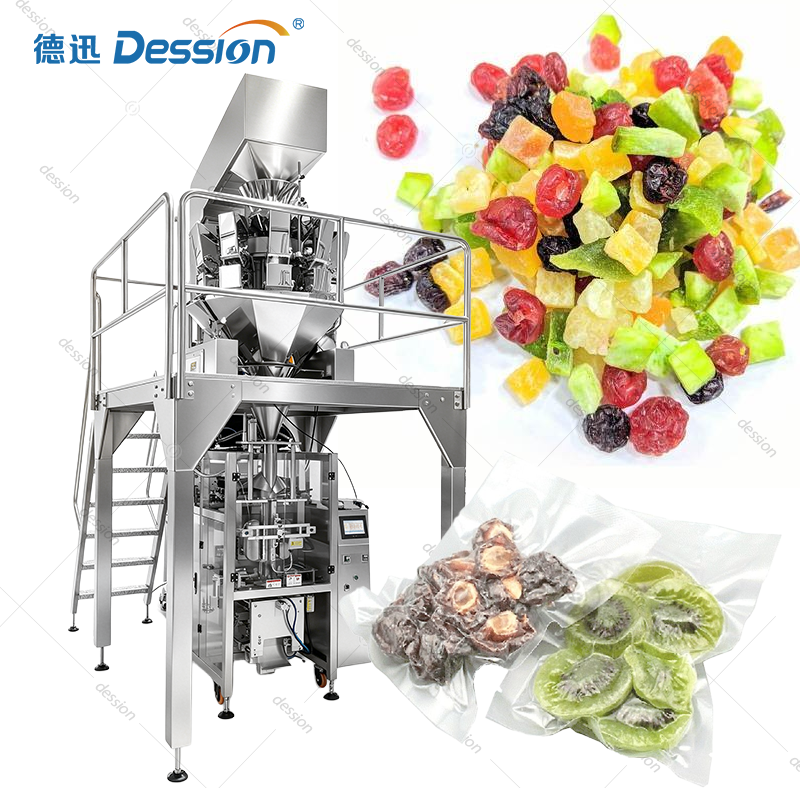
Automatic VFFS Dried Fruit Packaging Machine with Vacuum System
Heavy-Duty Vertical Form Fill Seal Vacuum Packaging Line for Dried Fruits & Coffee. Confirm the product, pack format and configuration with LINEVO.
View configuration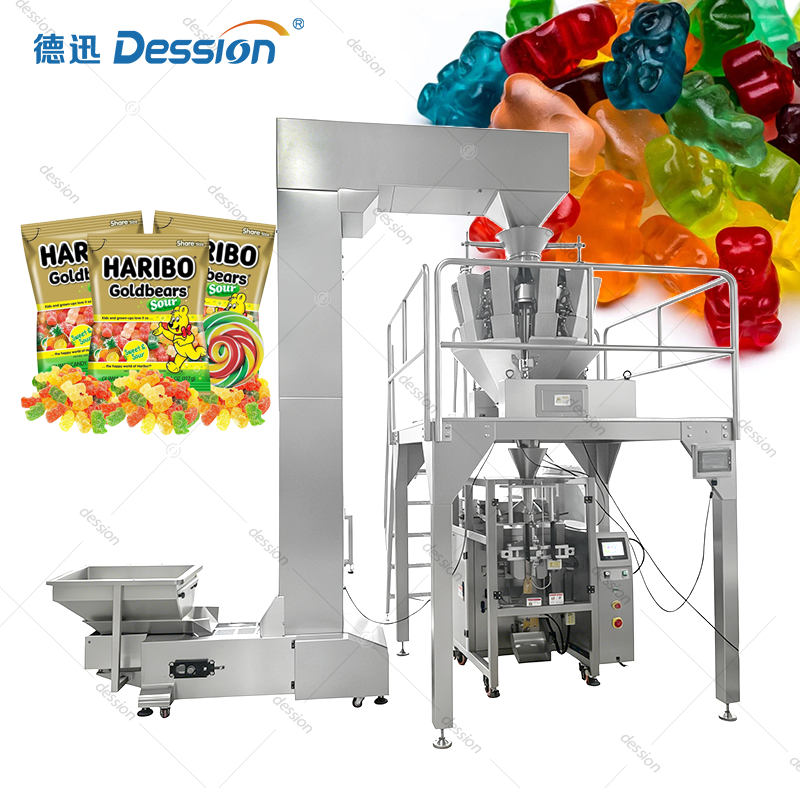
Automatic VFFS Gummy Packaging Machine with Anti-Sticking Multihead Weigher
High-Precision Vertical Packaging System for Sticky Gummies, Candies, and Oily Coffee Beans. Confirm the product, pack format and configuration with LINEVO.
View configuration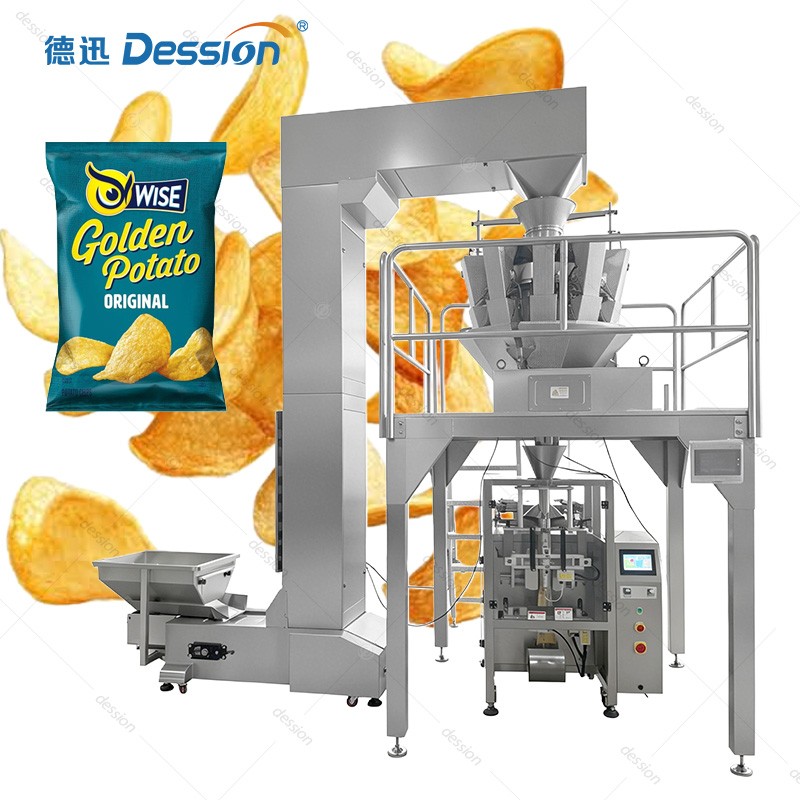
Automatic VFFS Packaging Machine from Leading China Manufacturer for Chips, Snacks, and Puffed Food
Automatic VFFS Packaging Machine. Source-listed applications: Snack & Puffed Food Manufacturers; Premium Snack Brands.
View configuration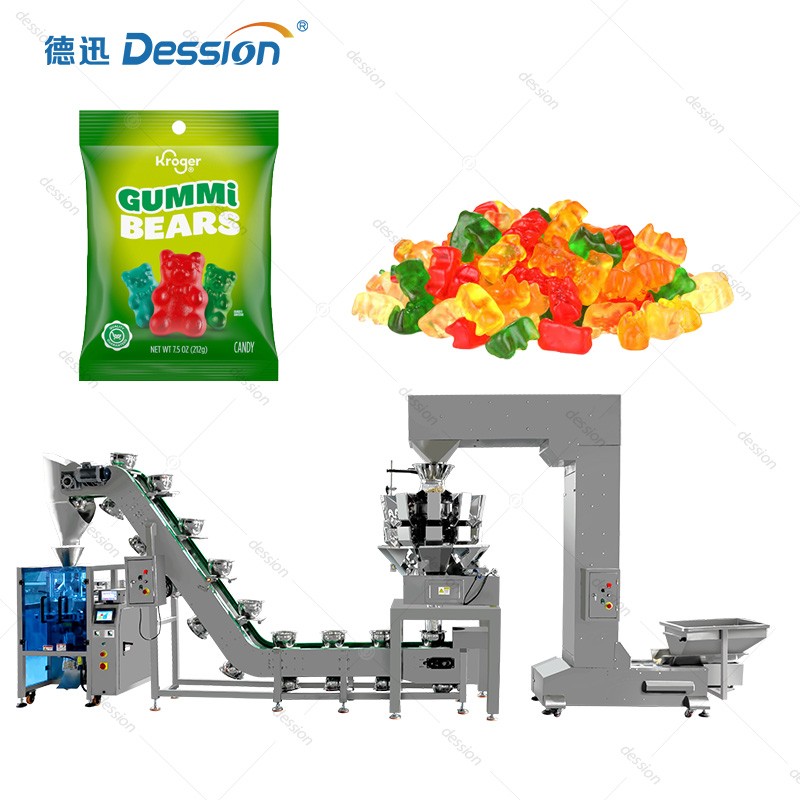
Automatic VFFS Packaging Machine from Leading China Manufacturer for Gummies, Vitamins, and Confectionery
Professional Solutions for Gummies, Vitamins, and Confectionery Co-Packing. Confirm the product, pack format and configuration with LINEVO.
View configuration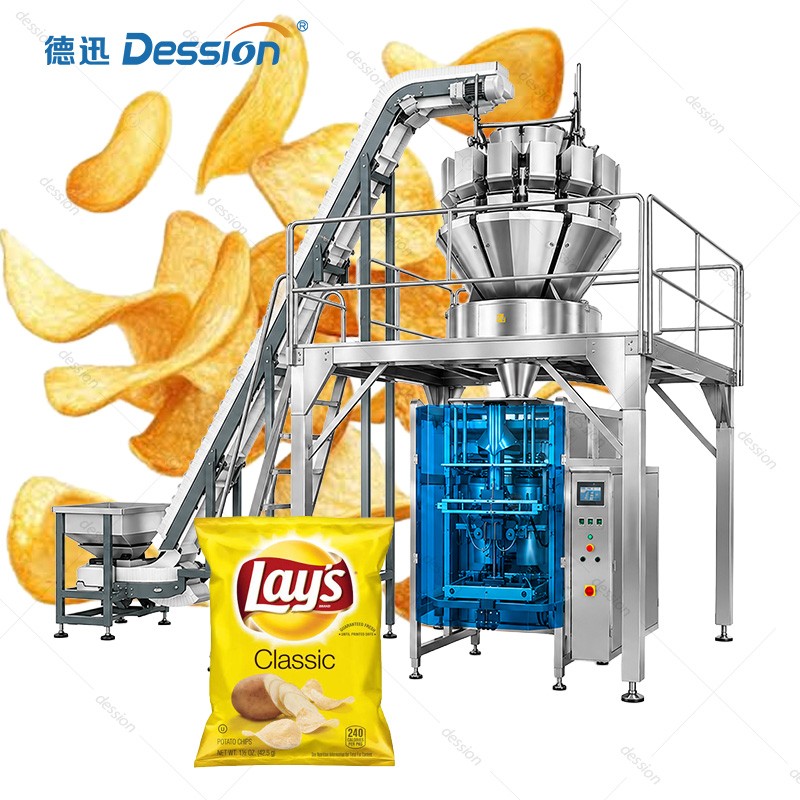
Automatic VFFS Packaging Machine from Leading China Manufacturer for Potato Chips and Crispy Snacks
Automatic VFFS Packaging Machine. Source-listed applications: Snack & Crispy Food Manufacturers; Premium Snack Brands.
View configuration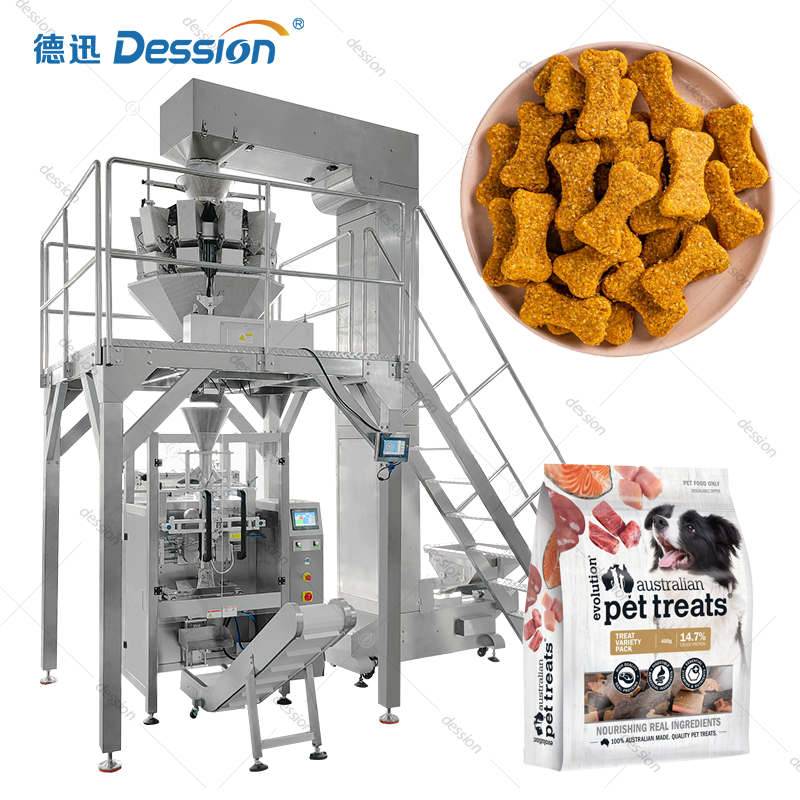
Automatic VFFS Pet Food Packaging Machine with Multihead Weigher
High-Precision Vertical Form Fill Seal System for Pet Kibble, Treats, and Coffee Beans. Confirm the product, pack format and configuration with LINEVO.
View configuration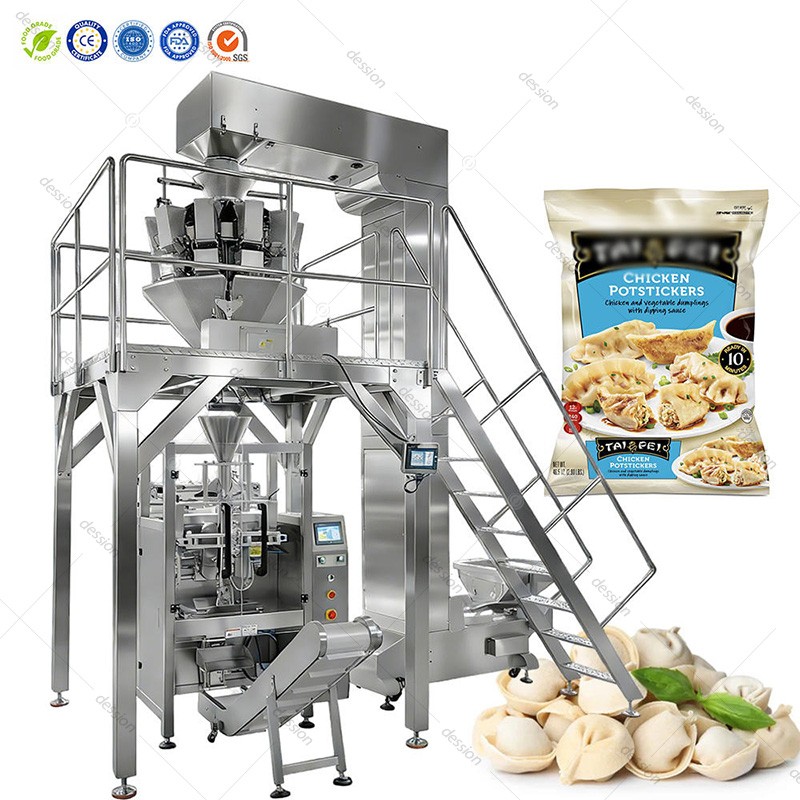
Food Grade Automatic Pre-made Dishes Weighing Packing Machine Frozen Buns Dumpling Rice Cake Meatball Bag Packaging Machinery
Food Grade Automatic Pre-made Dishes Weighing Packing Machine Frozen Buns Dumpling Rice Cake Meatball Bag Packaging Machinery.
View configuration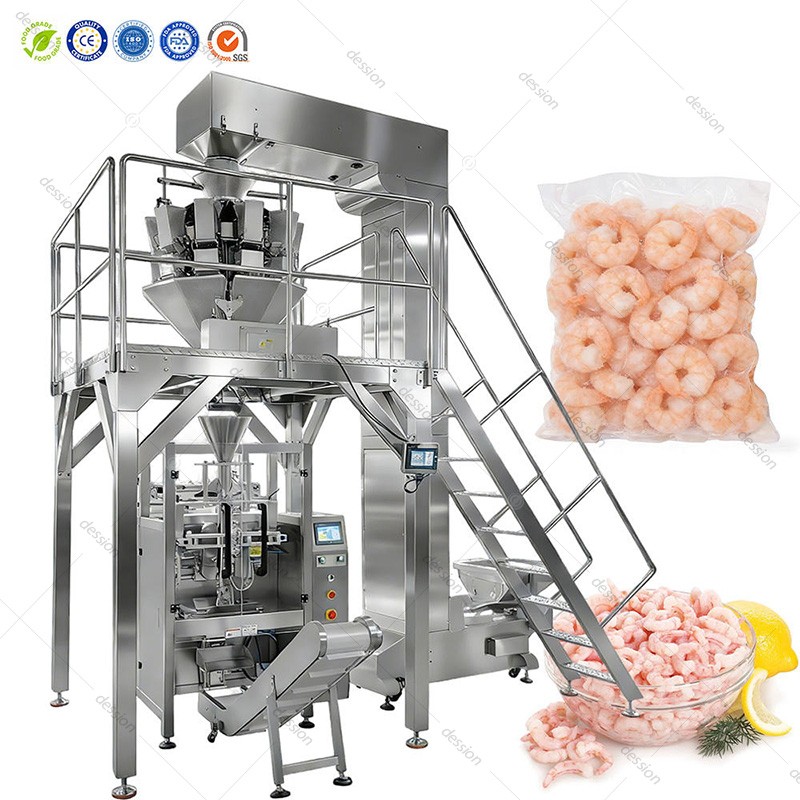
Food Grade Automatic Vacuum Frozen Seafood Bag Weighing Packing Machine for Fish Shrimp Squid Rings Cuttlefish Octopus
Food Grade Automatic Vacuum Frozen Seafood Bag Weighing Packing Machine. Confirm the product, pack format and configuration with LINEVO.
View configuration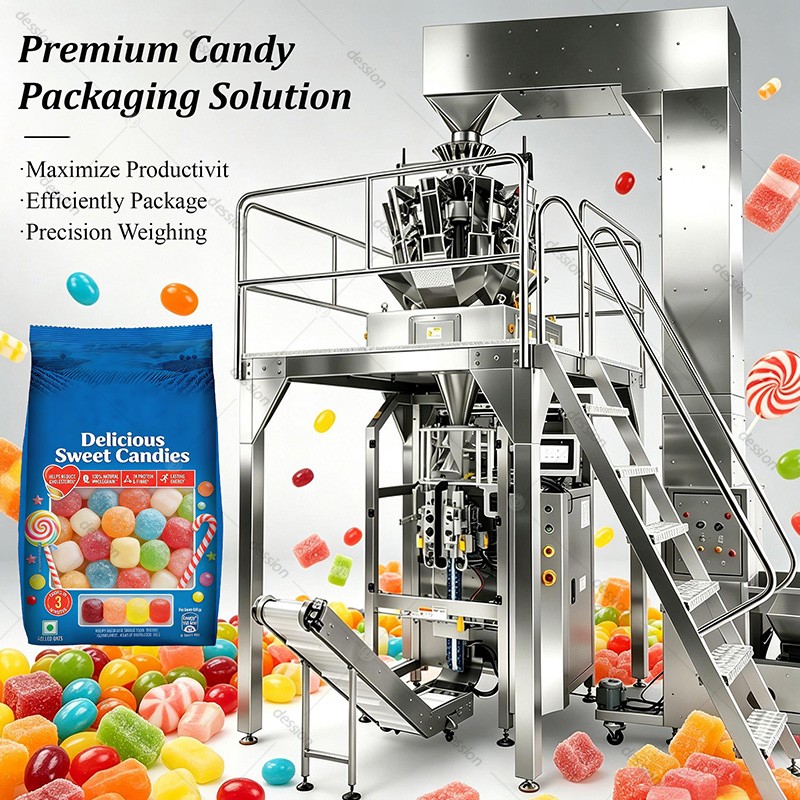
Food Grade Automatic Weighing Gummy Cotton Candy Bulk Candy Packaging Machine
Food Grade Automatic Weighing Gummy Cotton Candy Bulk Candy Packaging Machine. Source-listed applications: Gummy & Sticky Confectionery Manufacturers.
View configuration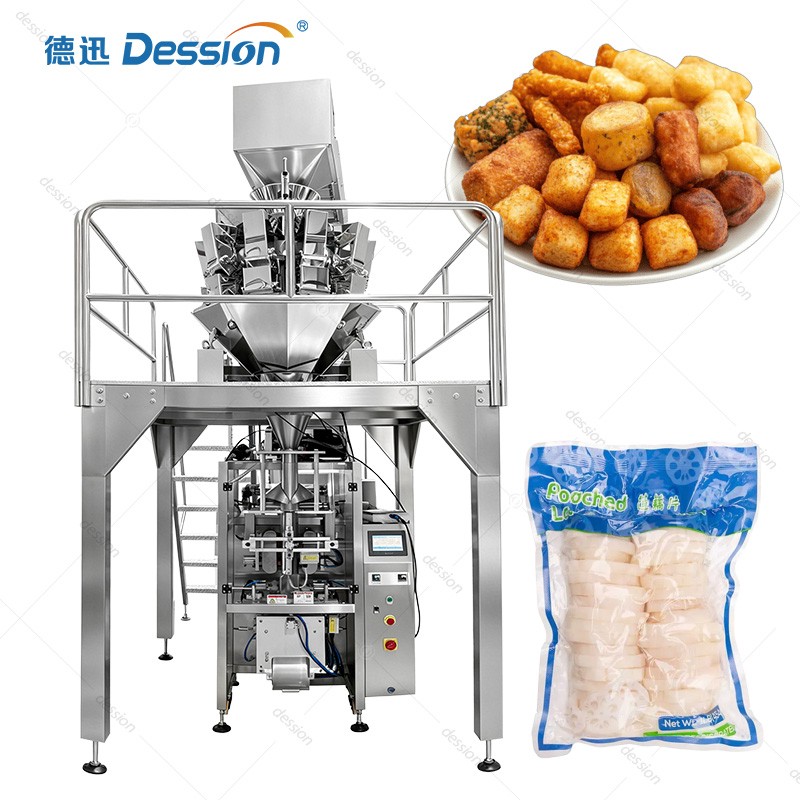
Frozen Food Packaging Machine from Leading Chinese Manufacturer for IQF Products, Dumplings, and Meatballs
Frozen Food Packaging Machine. Source-listed applications: Frozen Food Co-Packers; Complex Frozen Product Brands.
View configurationHeavy-Duty Vertical Form Fill Seal Machine for Laundry Powder and Detergents
Reinforced Industrial Vertical Bagging Line with High-Volume Servo Pulling & Integrated Dust Extraction.
View configuration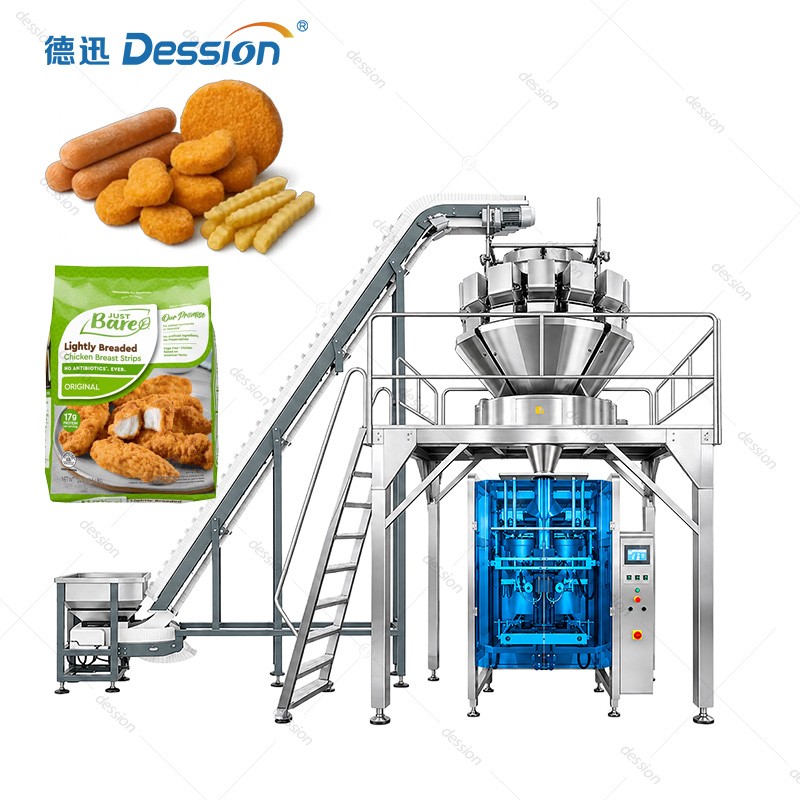
Turnkey Frozen Food Packaging Solutions from Reliable China Supplier: Meat, Pasta, and Prepared Meals
Turnkey Frozen Food Packaging Solutions. Source-listed applications: Frozen Food Co-Packers; Premium Frozen Food Brands.
View configuration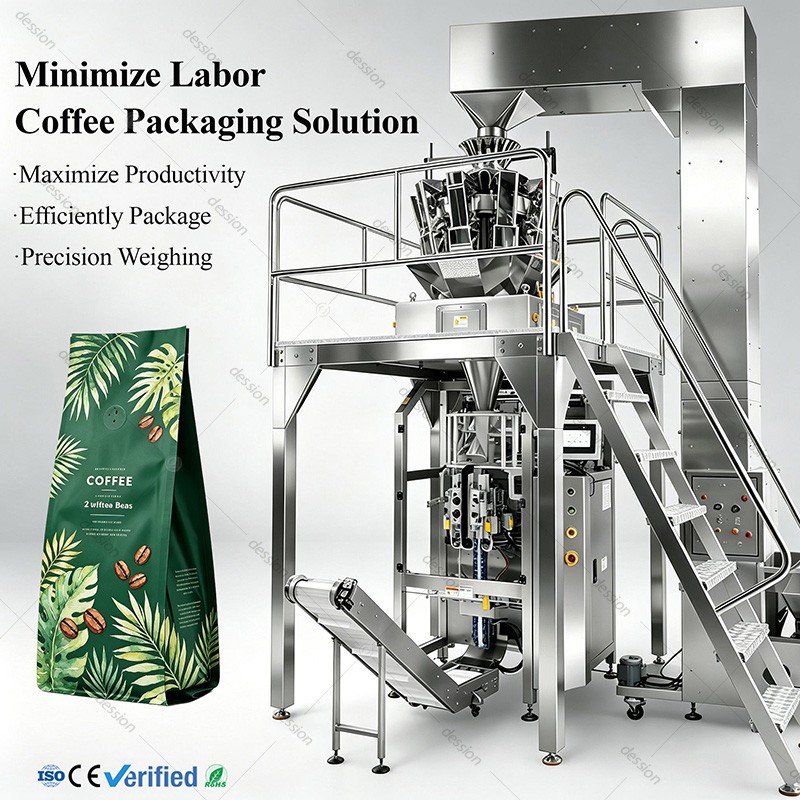
High Accuracy Weighing Coffee Bean VFFS Packing Machine for 500g 1kg Coffee Beans Valve Pouch Filling Packing Machine
High Accuracy Weighing Coffee Bean VFFS Packing Machine for 500g 1kg Coffee Beans Valve Pouch Filling Packing Machine.
View configuration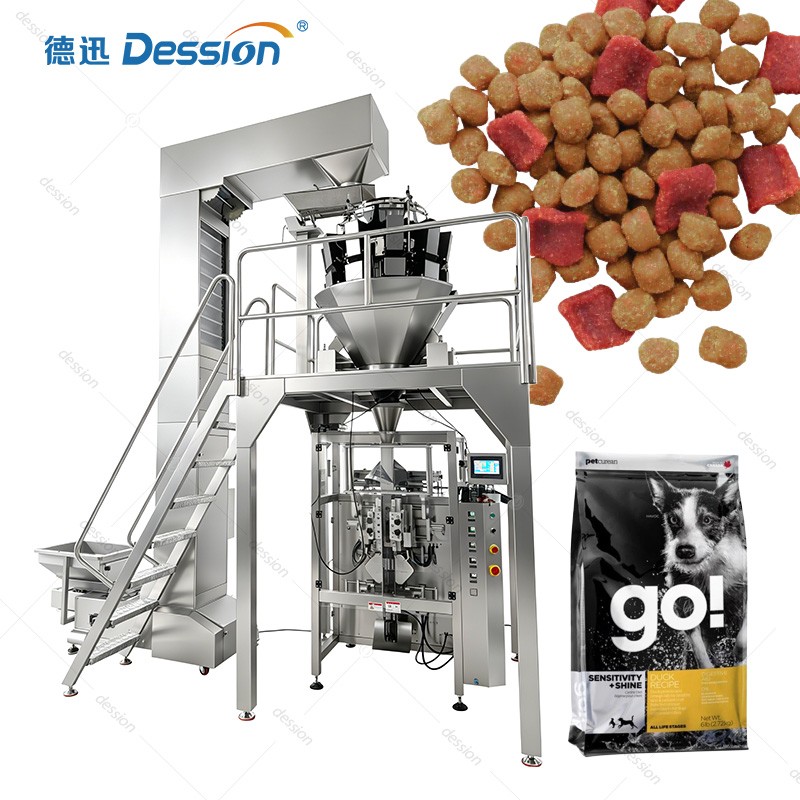
High-Performance Pet Food Packaging Line from Reliable China Supplier: Ideal for Premium Kibble and Semi-Moist Treats
High-Performance Pet Food Packaging Line. Source-listed applications: Pet Food Manufacturers & Co-Packers; Premium Pet Food Brands.
View configuration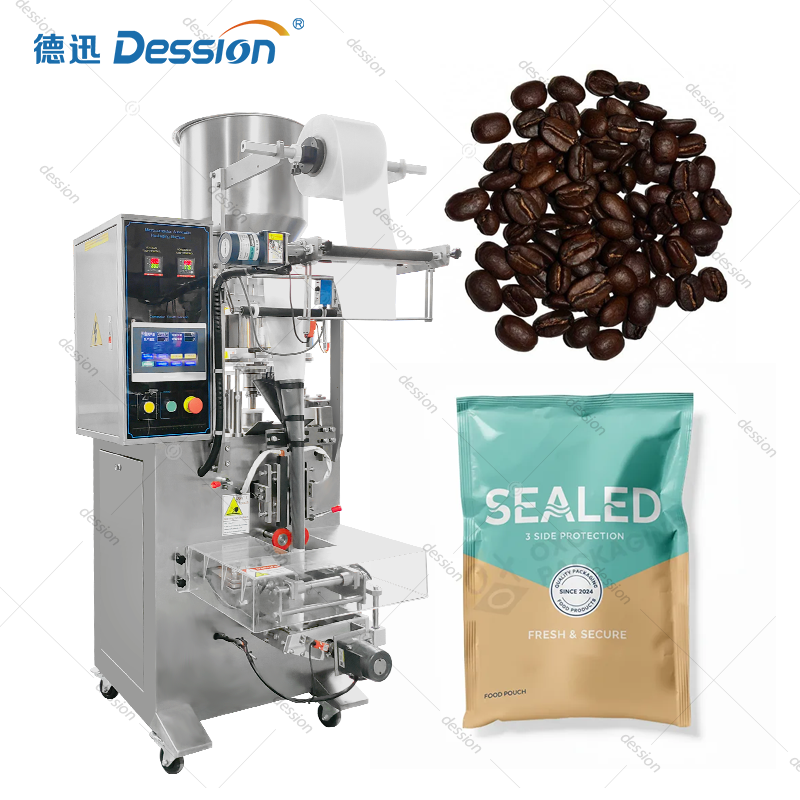
High Speed Vertical Coffee Bean Packing Machine with Measuring Cup System
Automatic Quad Seal VFFS Coffee Bean Packaging Machine with Multihead Weigher. Confirm the product, pack format and configuration with LINEVO.
View configuration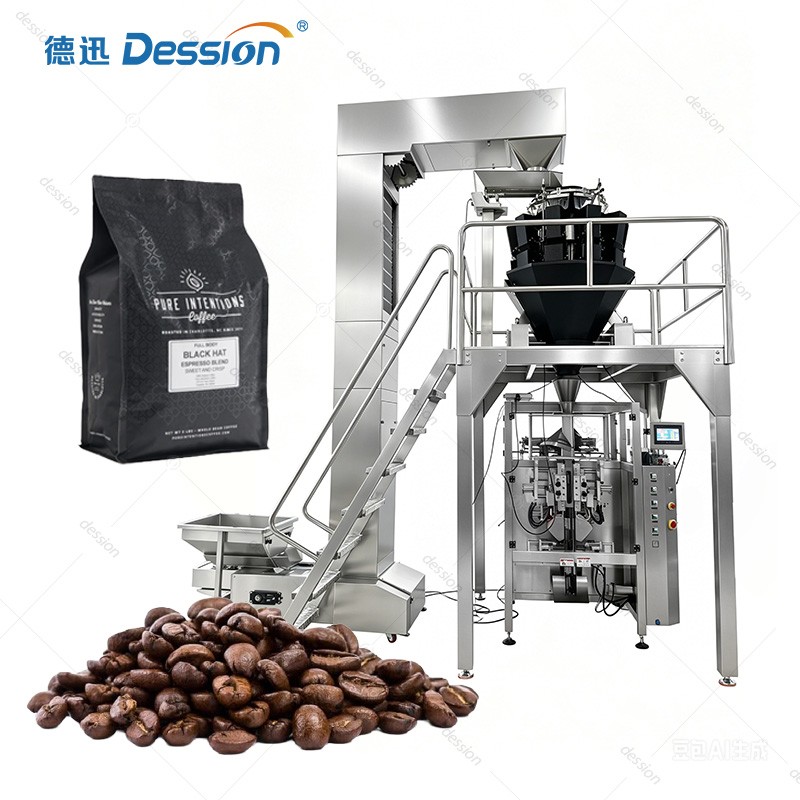
High-Speed VFFS Packaging Line from Reliable China Supplier: Precision Nitrogen Flushing for Specialty Coffee
Precision Nitrogen Flushing for Specialty Coffee | Industrial Roasting Solutions. Confirm the product, pack format and configuration with LINEVO.
View configuration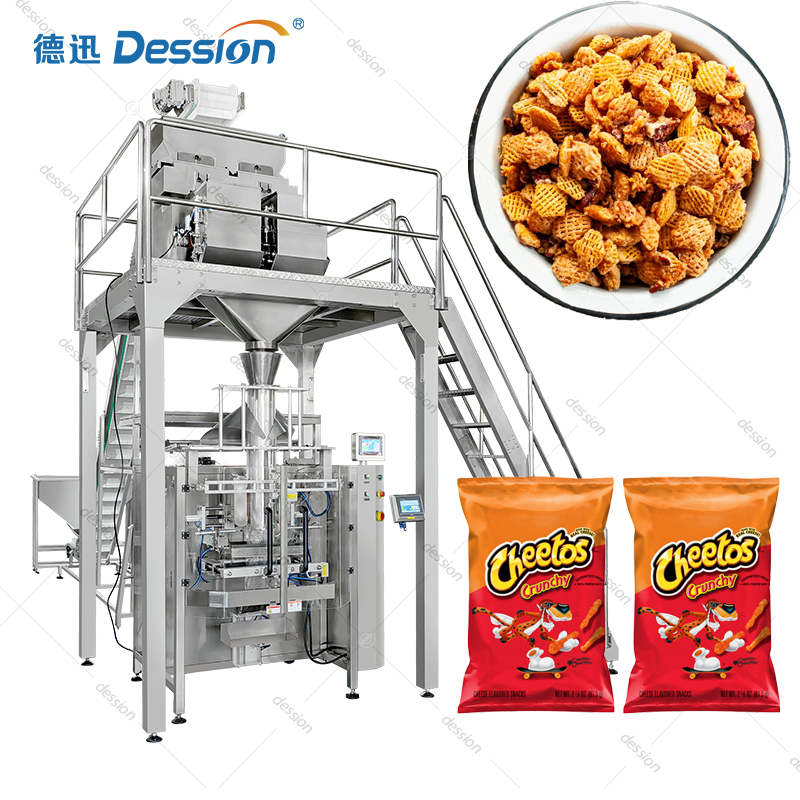
High Speed VFFS Puffed Snack Packaging Machine with Multihead Weigher
High-Precision Vertical Form Fill Seal System for Puffed Foods, Snacks, and Coffee Beans. Confirm the product, pack format and configuration with LINEVO.
View configuration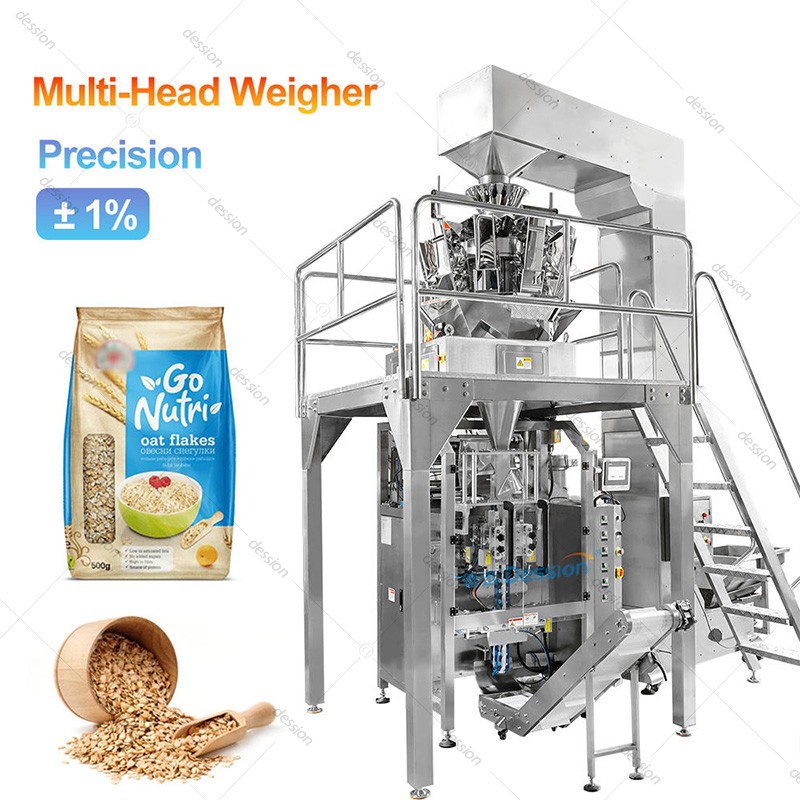
Hot Sales Automatic Stand up Pouch Oatmeal Weighing and Packing Machine Oats Corn Flakes Breakfast Cereals Bag Packaging Machine
Hot Sales Automatic Stand up Pouch Oatmeal Weighing and Packing Machine Oats Corn Flakes Breakfast Cereals Bag Packaging Machine.
View configuration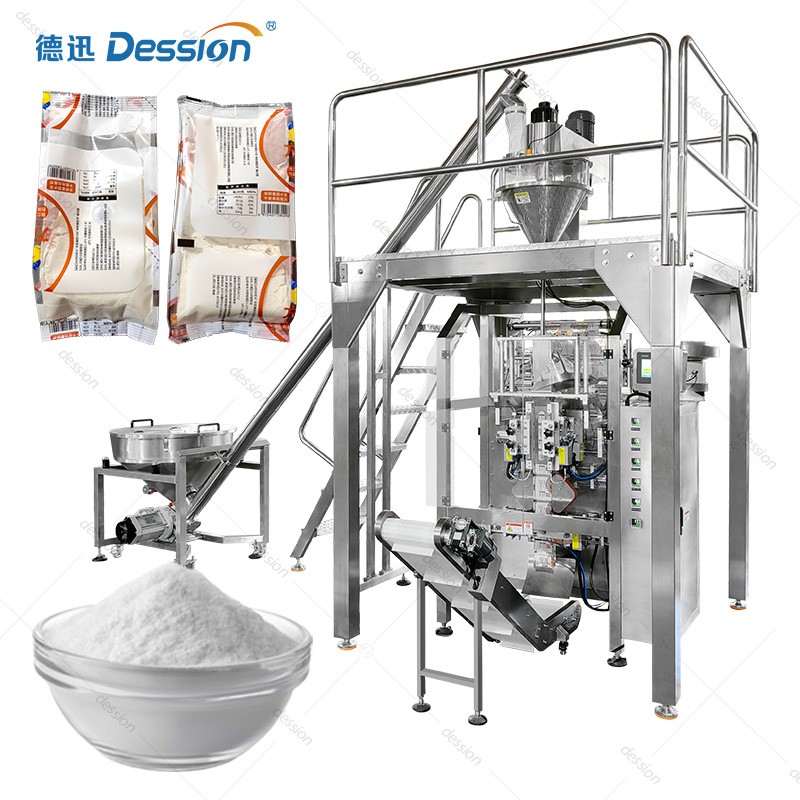
Industrial Baking Mix Packaging Line: Precision Auger Filling & Dust-Free Solutions
Industrial Baking Mix Packaging Line. Source-listed applications: Baking Ingredient Manufacturers; Bakery & Food Brands.
View configuration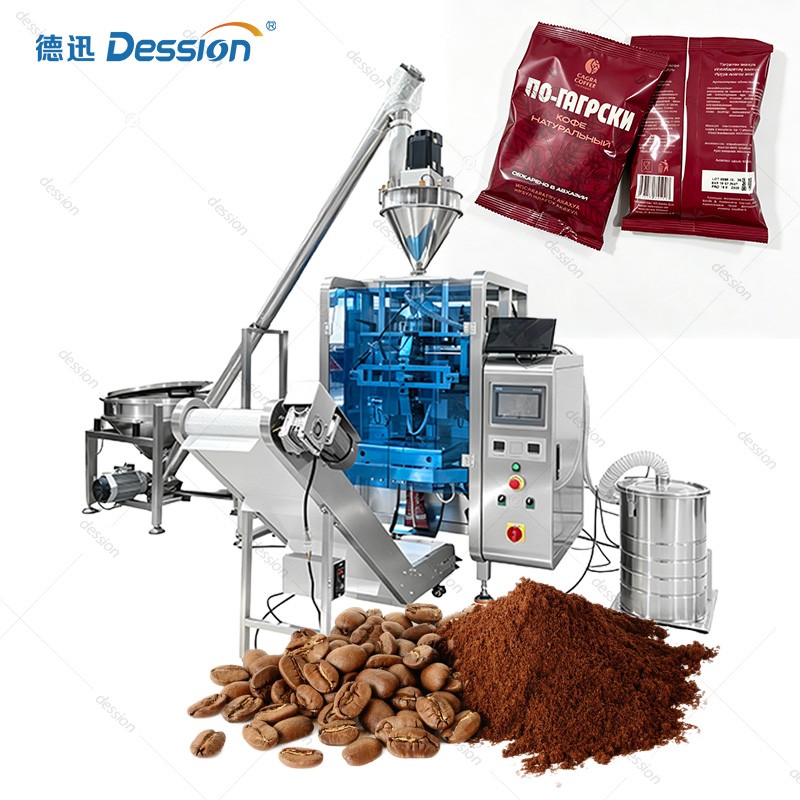
Industrial Coffee Powder Packaging Line: Precision Filling & Nitrogen Flushing Solutions
Precision Filling & Nitrogen Flushing Solutions for Industrial Coffee Processing. Confirm the product, pack format and configuration with LINEVO.
View configuration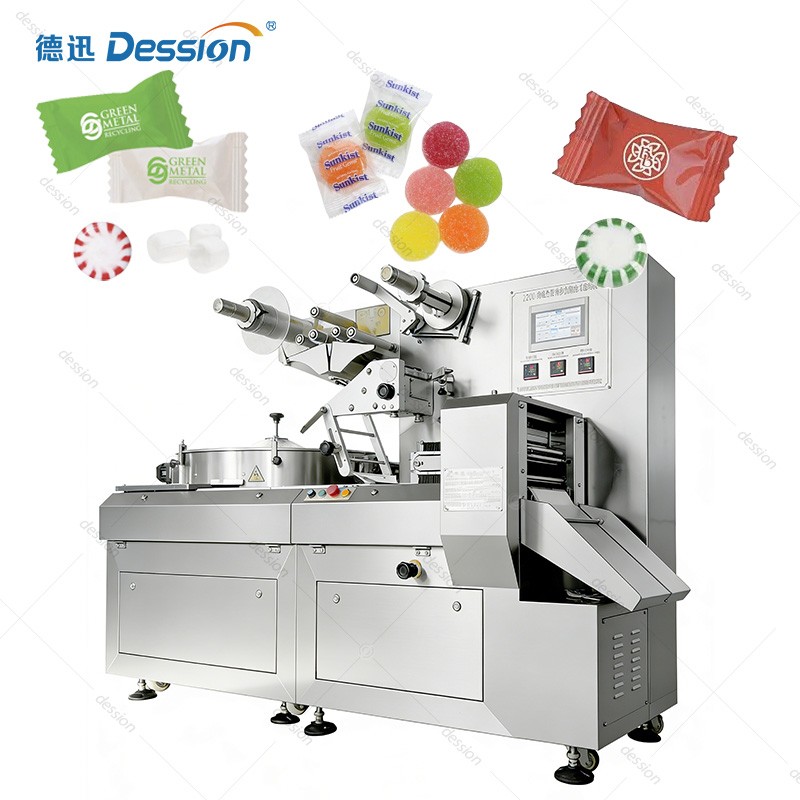
Industrial Confectionery Packaging Line: High-Precision Filling & Fast-Sealing Solutions
High-Precision Filling & Fast-Sealing Solutions for Industrial Candy Production. Confirm the product, pack format and configuration with LINEVO.
View configuration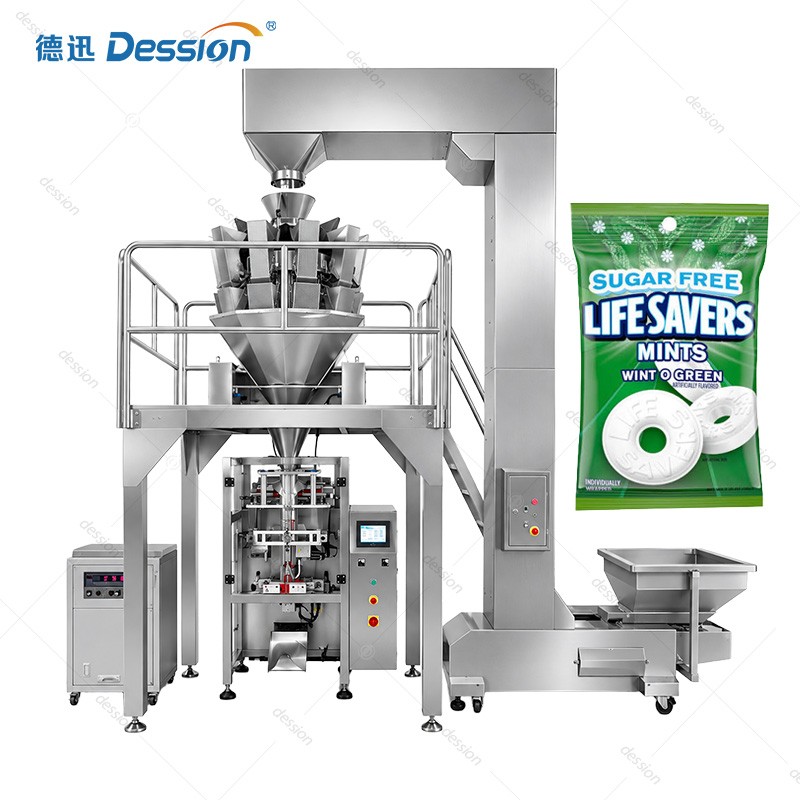
Industrial Confectionery Packaging Line: High-Precision Weighing & Fast-Sealing Solutions
High-Precision Weighing & Fast-Sealing Solutions for Industrial Candy Production. Confirm the product, pack format and configuration with LINEVO.
View configuration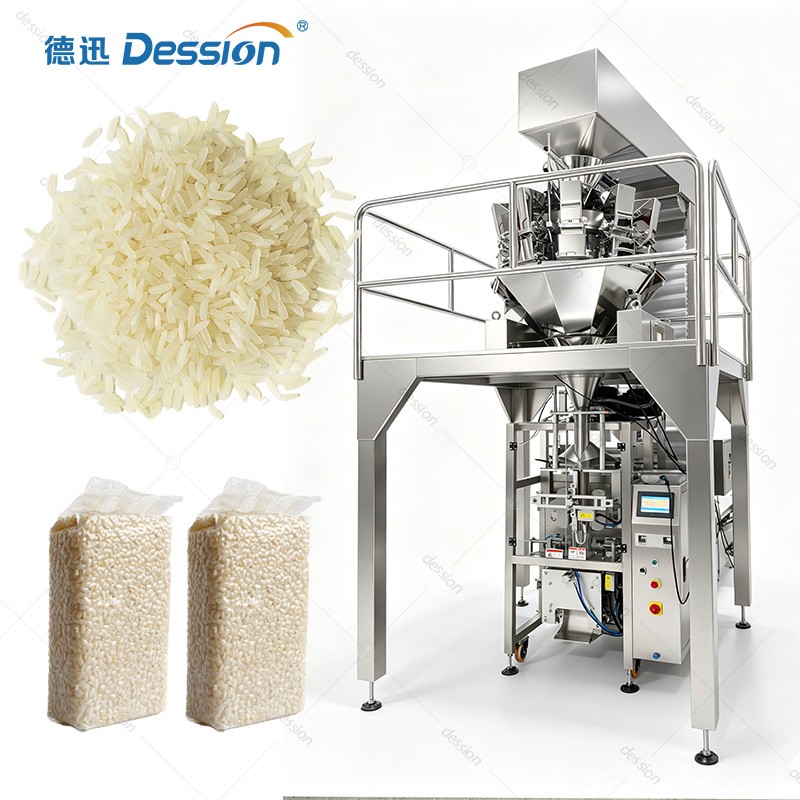
Industrial Rice Vacuum Packing Line from Leading China Manufacturer for Rice, Grains, and Pulses
Industrial Rice Vacuum Packing Line. Source-listed applications: Rice & Grain Processors; Premium Organic Food Brands.
View configuration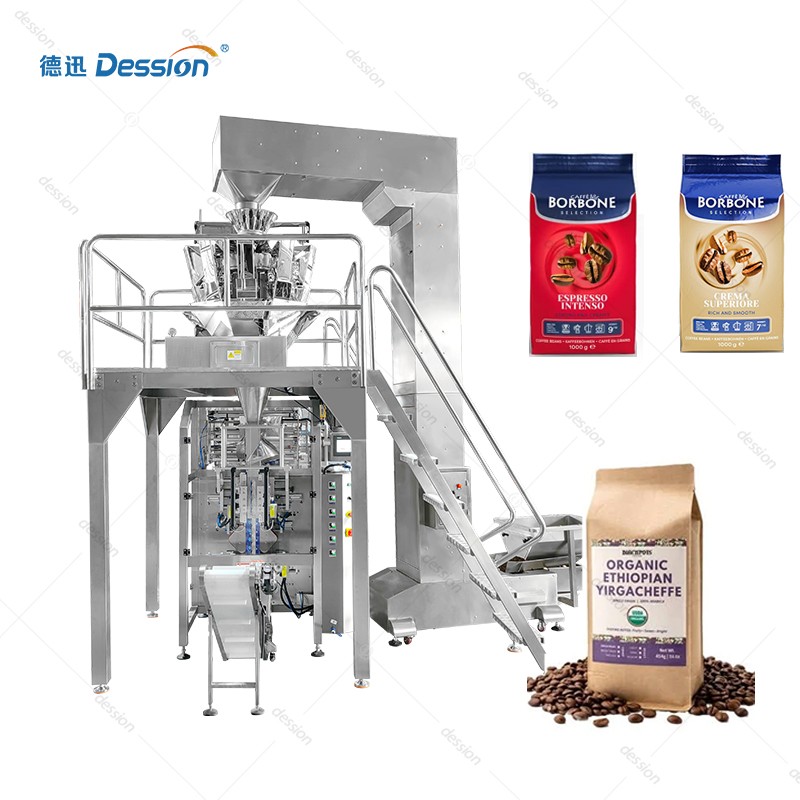
Large Vertical Form Fill Seal Machine for Coffee Beans & Roasted Coffee
Precision VFFS Packaging Solution with Aroma Protection for Roasted Coffee Beans. Confirm the product, pack format and configuration with LINEVO.
View configuration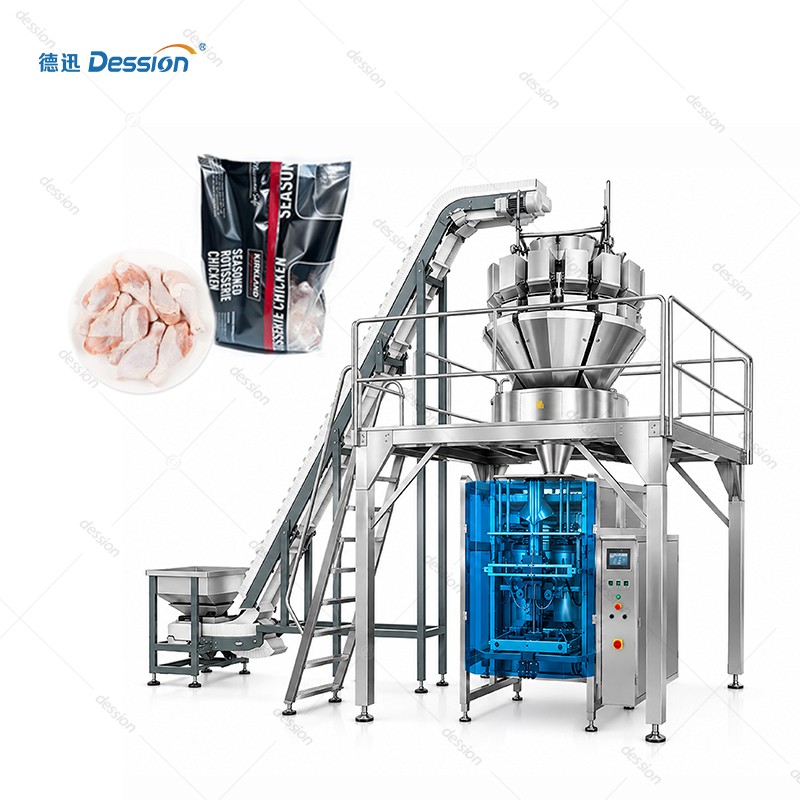
Large Vertical Form Fill Seal Machine for Frozen Foods & IQF Products
Heavy-Duty VFFS Packaging Solution for IQF Vegetables, Dumplings, and Frozen Meats. Confirm the product, pack format and configuration with LINEVO.
View configuration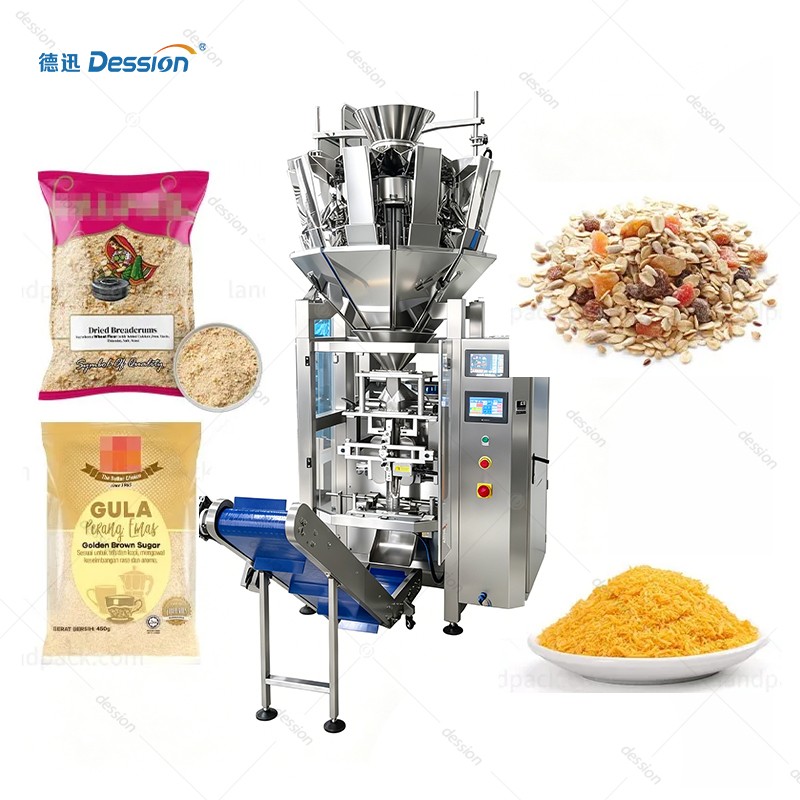
Large Vertical Form Fill Seal Machine for Grains, Rice & Cereals
Heavy-Duty VFFS Packaging Solution with High-Capacity Sealing for Rice, Grains, and Cereals. Confirm the product, pack format and configuration with LINEVO.
View configuration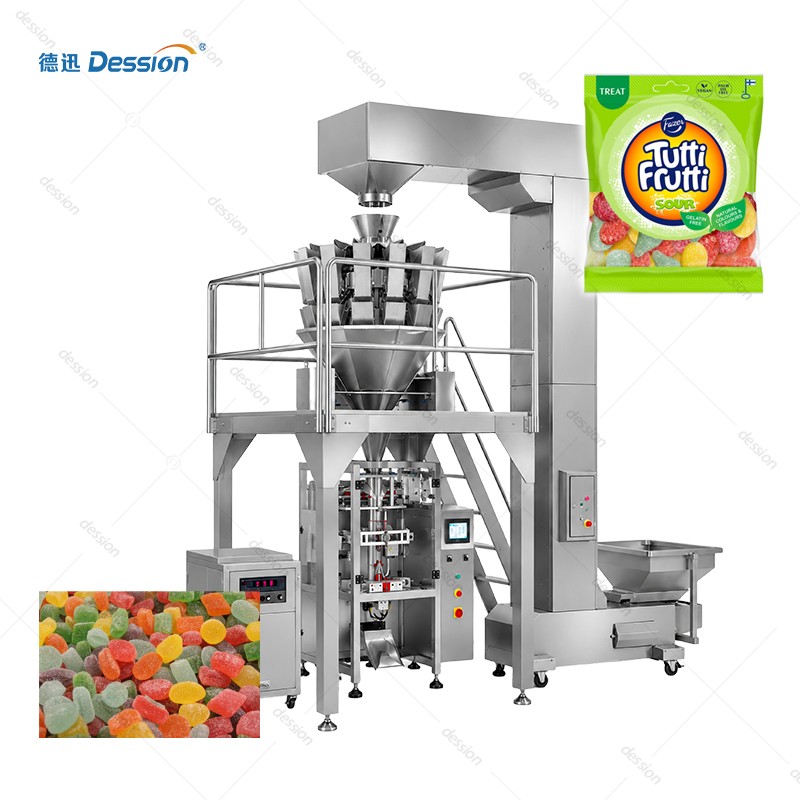
Large Vertical Form Fill Seal Machine for Gummy Candies & Confectionery
Heavy-Duty VFFS Packaging Solution with Moisture Protection for Gummy Candies and Confectionery. Confirm the product, pack format and configuration with LINEVO.
View configuration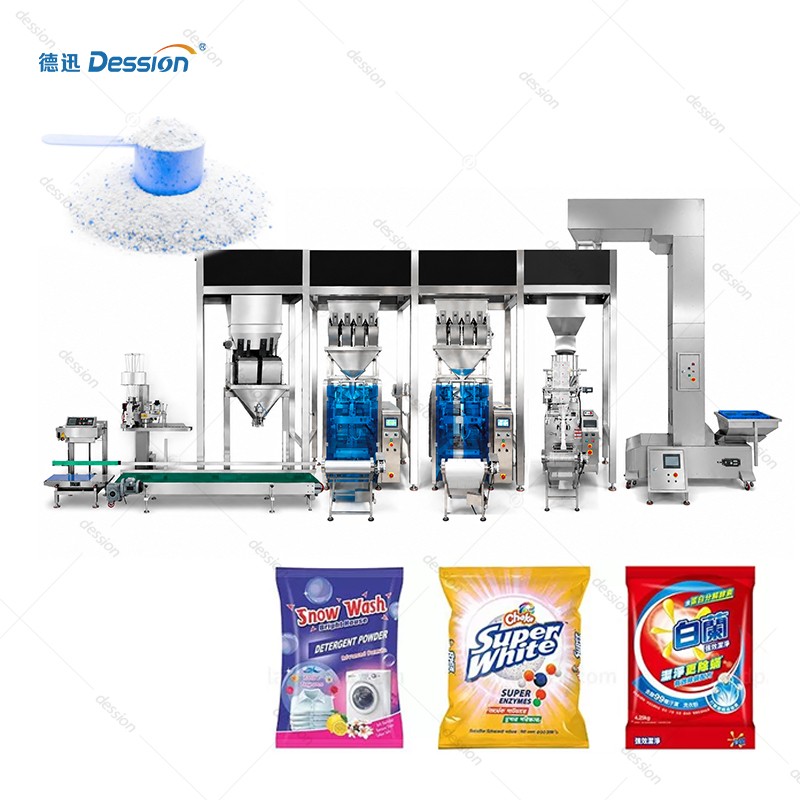
Large Vertical Form Fill Seal Machine for Laundry Powder & Detergents
Heavy-Duty VFFS Packaging Solution with Anti-Corrosion & Dust-Proof Sealing for Detergent Powders.
View configuration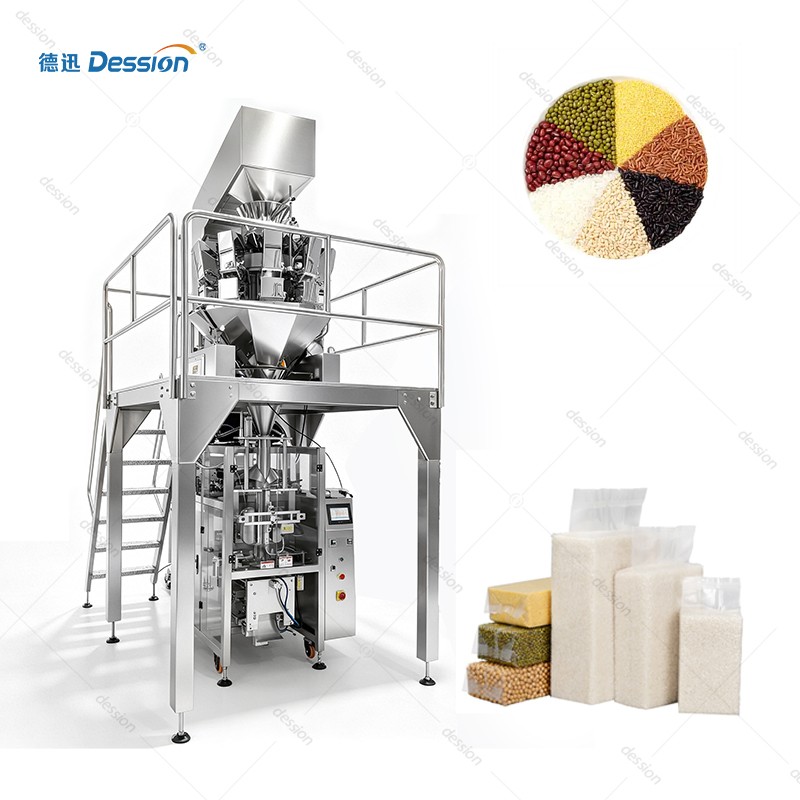
Large Vertical Form Fill Seal Machine for Multi-Grains & Pulses
Heavy-Duty VFFS Packaging Solution with High-Capacity Sealing for Beans, Pulses, and Mixed Grains.
View configuration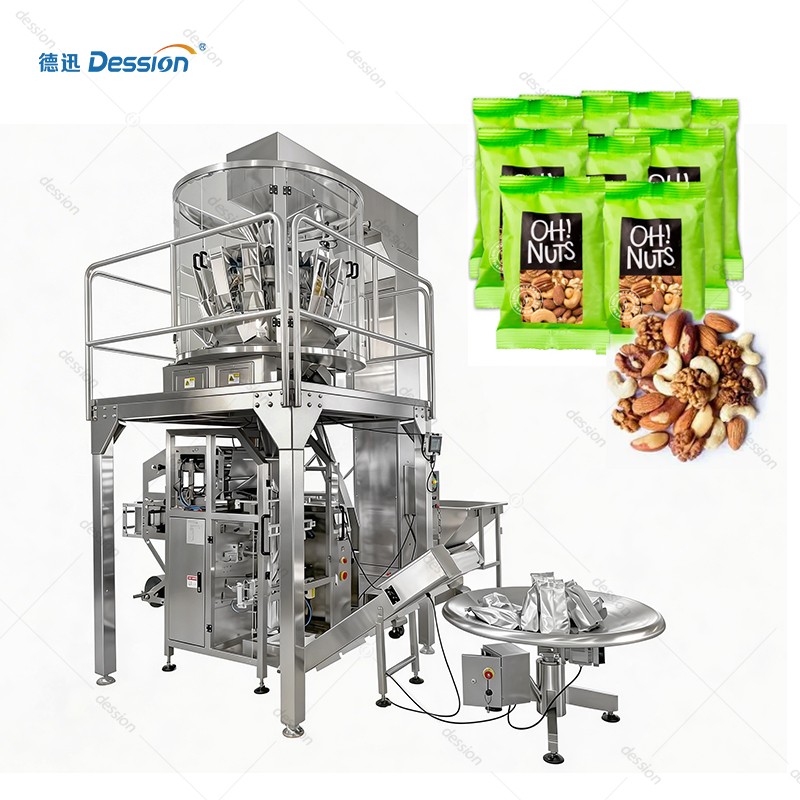
Large Vertical Form Fill Seal Machine for Nuts & Dried Fruit Packaging
Heavy-Duty VFFS Packaging Solution with Aroma & Moisture Protection for Mixed Nuts and Dried Fruits.
View configuration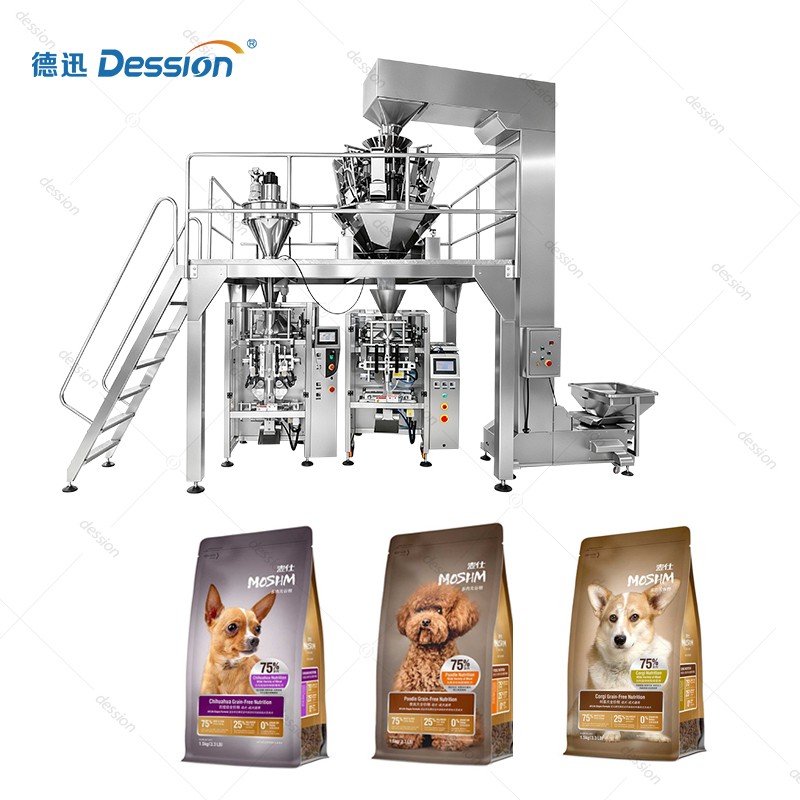
Large Vertical Form Fill Seal Machine for Pet Food & Kibble Packaging
Heavy-Duty VFFS Packaging Solution for Kibble, Pet Treats, and Bulk Pet Food. Confirm the product, pack format and configuration with LINEVO.
View configuration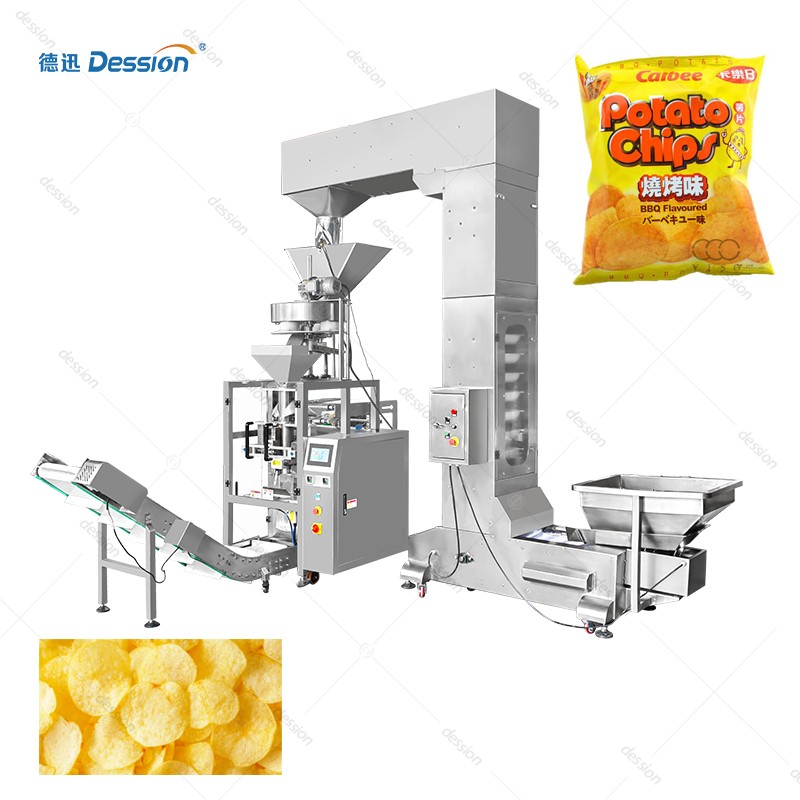
Large Vertical Form Fill Seal Machine for Potato Chips & Snack Foods
High-Speed VFFS Packaging Solution with Nitrogen Flushing for Crispy Snacks. Confirm the product, pack format and configuration with LINEVO.
View configuration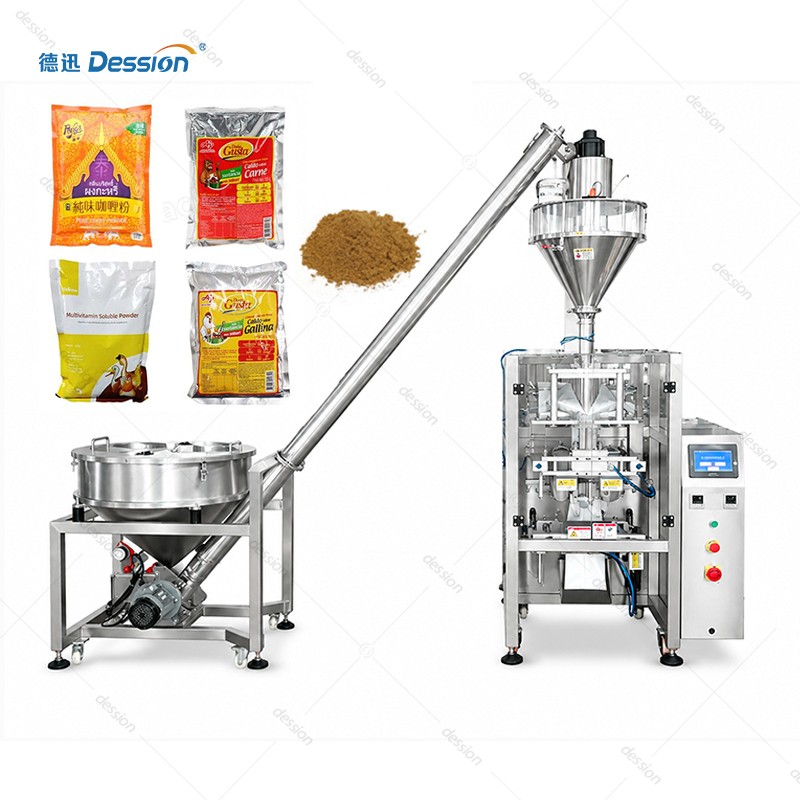
Large Vertical Form Fill Seal Machine for Seasoning Powders & Spices
Heavy-Duty VFFS Packaging Solution with Dust-Proof Sealing for Spices, Chili Powder, and Seasonings.
View configuration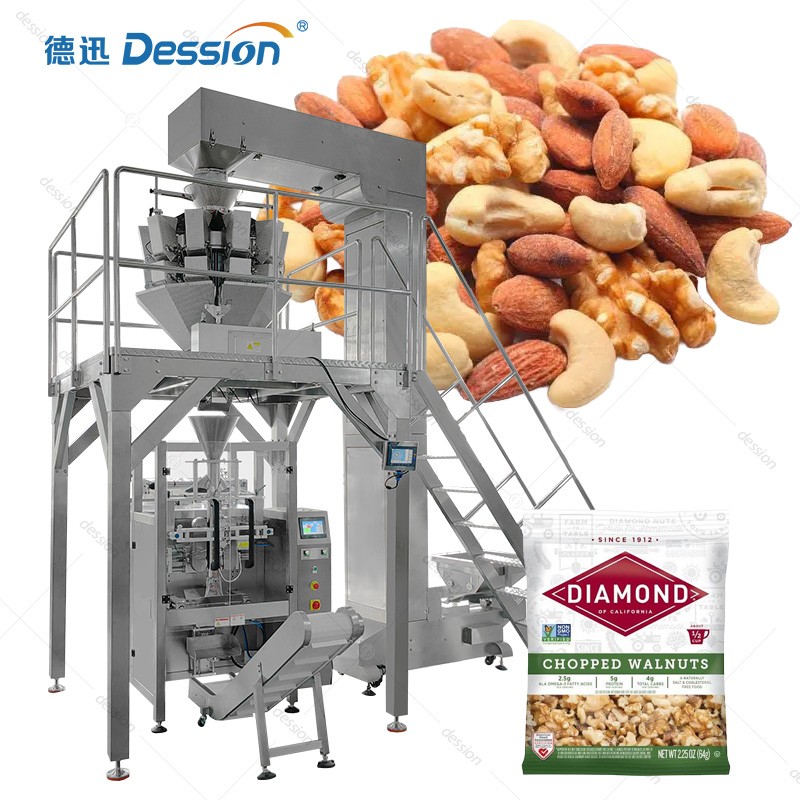
Multi-Nut Vertical Form Fill Seal Packaging Machine | High-Accuracy Multihead Weigher for Whole & Mixed Nuts
Multi-Nut Vertical Form Fill Seal Packaging Machine. Source-listed applications: Contract Food Manufacturers; Premium Whole & Mixed Nut Brands.
View configuration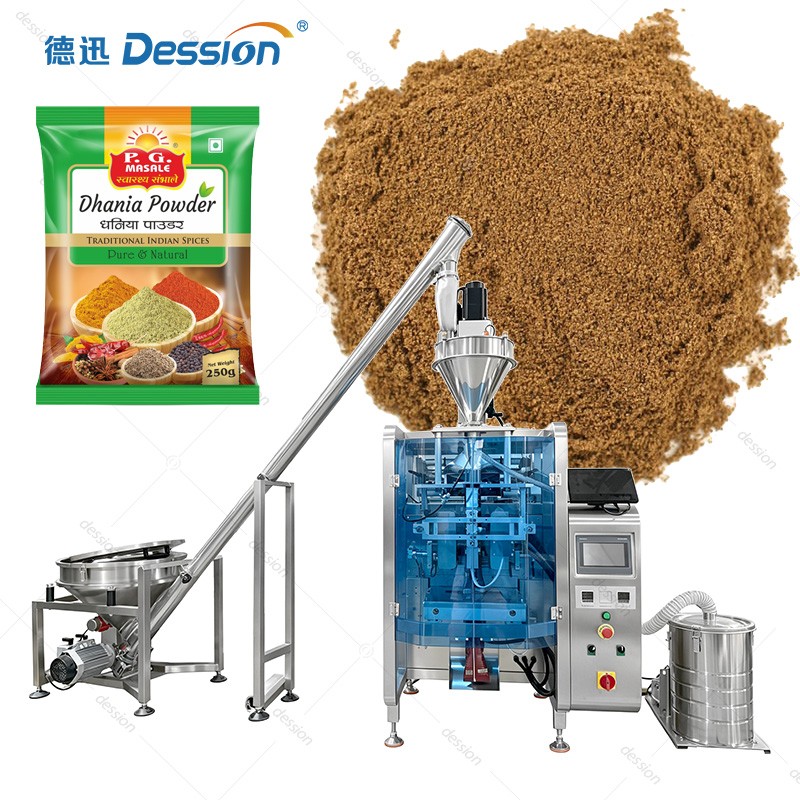
Multi-Recipe Vertical Form Fill Seal Seasoning Powder Packager | Quick-Change VFFS for Spice Blends & Allergen-Controlled Lines
Multi-Recipe Vertical Form Fill Seal Seasoning Powder Packager. Source-listed applications: Contract Food Manufacturers.
View configuration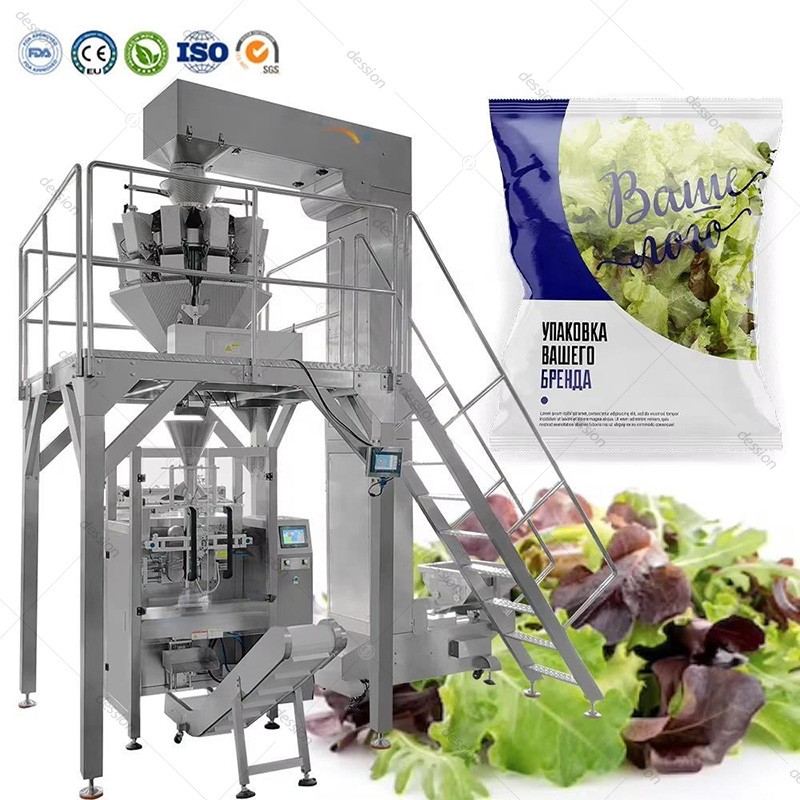
Multihead Weigher Automatic Frozen Vegetable Pouch Packing Machine Fresh Leaf Vegetable Green Salad Bag Packaging Machine
Multihead Weigher Automatic Frozen Vegetable Pouch Packing Machine Fresh Leaf Vegetable Green Salad Bag Packaging Machine.
View configuration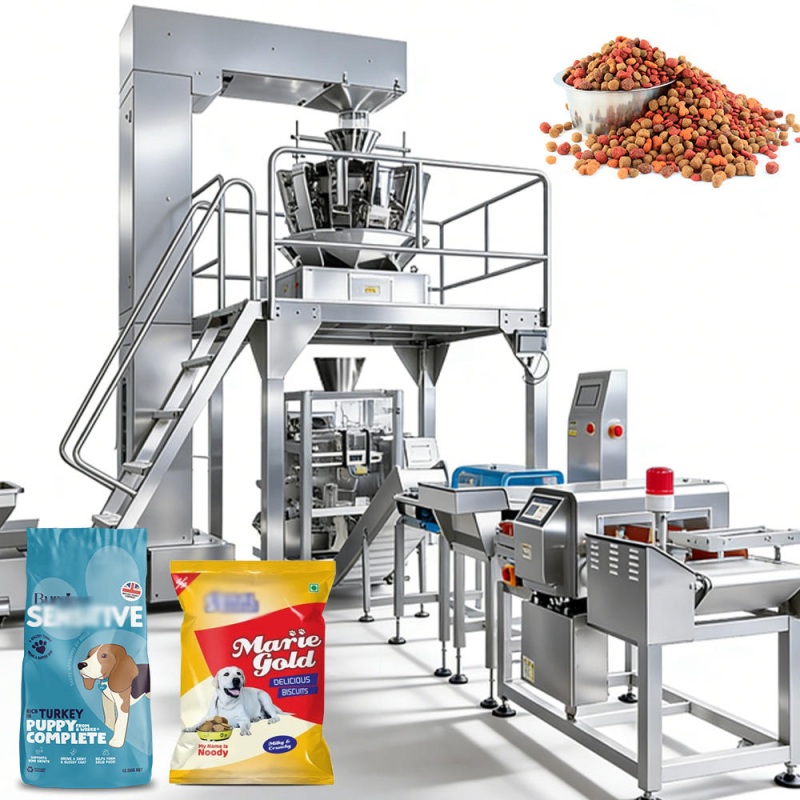
Multihead Weighing Automatic Pet Food Stand up Bag Packing Machine Dog Food Cat Food Feed Pouch Packaging Machine
Multihead Weighing Automatic Pet Food Stand up Bag Packing Machine Dog Food Cat Food Feed Pouch Packaging Machine.
View configuration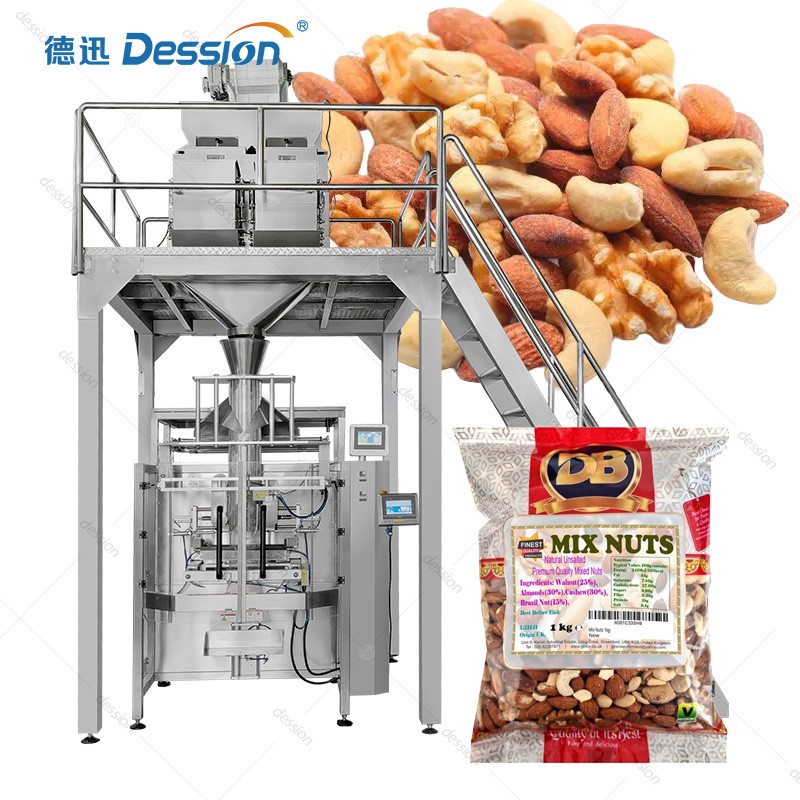
Oxygen-Barrier Vertical Nut Packaging System | Sanitary VFFS with Nitrogen Flushing for Extended Shelf Life
Industrial Heavy-Duty Vertical Bagging Line with Multi-Point Nitrogen Gas-Flush Array & Quick-Change Technology.
View configuration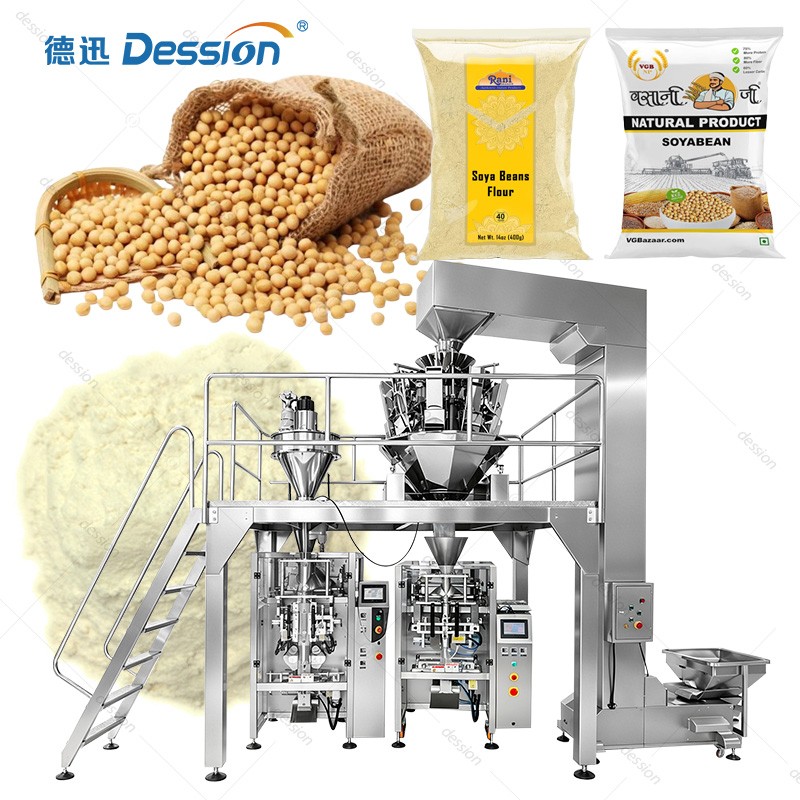
Stainless Steel Vertical Form Fill Seal Packager for Soy-Based Products | Dust-Controlled VFFS with Auger Filling for Powder/Granule Blends
Stainless Steel Vertical Form Fill Seal Packager for Soy-Based Products. Source-listed applications: Contract Packaging Firms (Co-Packers).
View configuration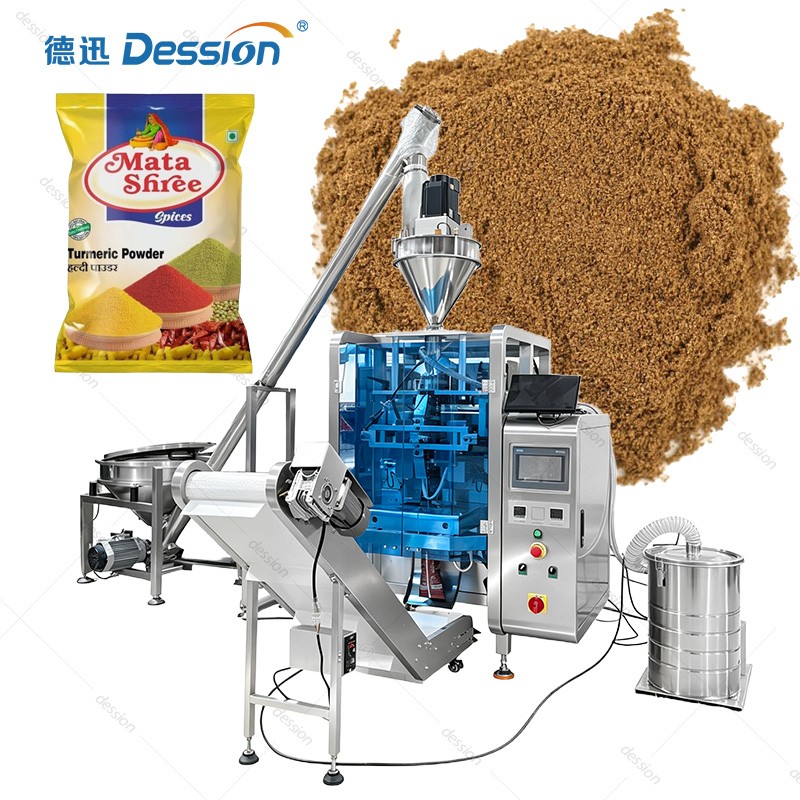
Versatile VFFS Seasoning Packager for Stick Packs & Retail Bags | Dust-Controlled Powder Filling with Quick-Change for Multiple Blends
Multi-Format Industrial Vertical Bagging Line with Advanced Airborne Dust Isolation & Flexible Forming Array.
View configuration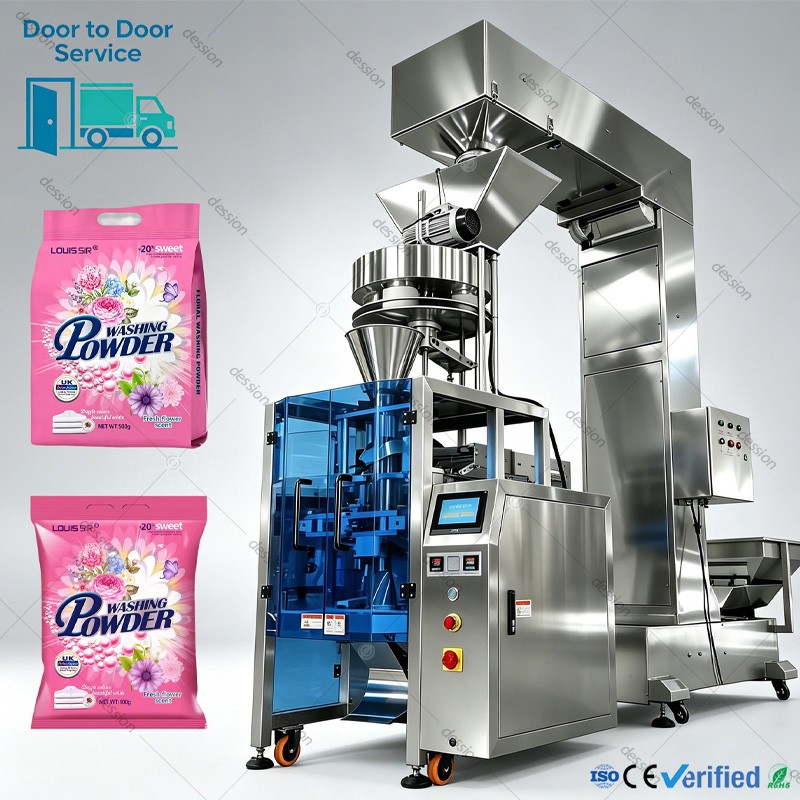
VFFS Automatic Detergent Powder Packing Machine for 500g 1kg Washing Powder Detergent Packaging Machine
VFFS Automatic Detergent Powder Packing Machine for 500g 1kg Washing Powder Detergent Packaging Machine. Confirm the product, pack format and scope with LINEVO.
View configuration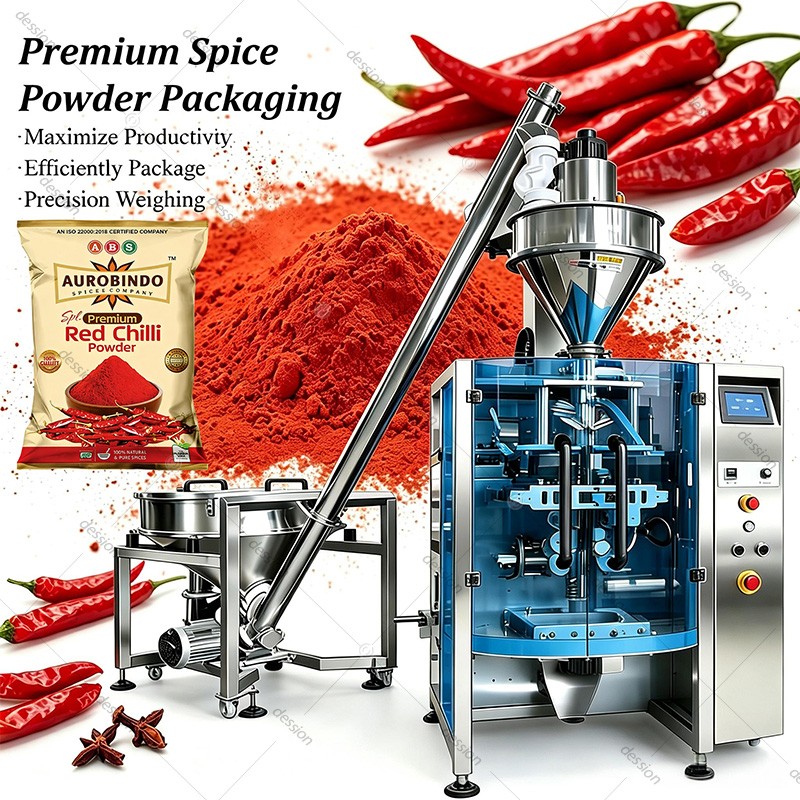
VFFS Automatic Spice Seasoning Powder Pouch Packing Machine Chicken Flavoured Seasoning Curry Chili Powder Bag Packing Machine
VFFS Automatic Spice Seasoning Powder Pouch Packing Machine Chicken Flavoured Seasoning Curry Chili Powder Bag Packing Machine.
View configuration