
Where stick packs fit
A stick pack is a narrow, back-sealed single-serve pack made on a multi-lane vertical machine. A wide film reel is slit into lanes and each lane forms, fills and seals its own stick, so one machine cycle produces a row of packs.
The 23 configurations in this family include instant coffee, milk creamer and drink mixes, protein and collagen powders, probiotics and pharmaceutical powders, energy gels, ketchup, wasabi and mustard, and cosmetic lotion. Reference models include the LV-400Y for powders and the LV-600X for pastes such as wasabi and mustard.
- Instant coffee, creamer and drink-mix powders
- Protein, collagen, probiotic and other supplement powders
- Energy gels, sauces, wasabi and lotions dosed by pump
- Lane count, stick size and dose range confirmed per configuration
How a multi-lane stick pack machine works
All lanes share the film drive and the cross-sealing jaws. A dosing problem in one lane therefore affects the whole cycle, which is why several configurations use an independent dosing drive for each lane so its dose can be trimmed separately.
- One film reel unwound and slit into the number of lanes
- Each strip formed around its own tube and closed with a back seal
- Dosing into each lane by auger for powders or by piston or rotary pump for liquids
- Cross-sealing jaws that seal all lanes together
- Cutting with the selected cut pattern and any tear notch
- Discharge, counting and grouping for cartoning or bagging
Match the dose to the material
A powder, a free-flowing granule and a liquid require different feeding and dosing considerations. Provide representative product and the target fill range rather than selecting by pack appearance alone.
Catalog configurations show independent servo augers for powders, micro-dose augers for probiotic and pharmaceutical powders, anti-segregation dosing for mixed beverage blends, and piston or rotary pumps with anti-drip nozzles for gels, sauces and lotions.
- Powders: flow, dust, bulk density and possible bridging
- Liquids and gels: viscosity, temperature and particulates
- Granules: size distribution, flow and possible product damage
- Blends: whether ingredients separate in the hopper before dosing
Choose lanes after defining output and film
Lane count alone is not a production guarantee. Pack dimensions, seal time, dosing behavior and downstream handling all affect the useful output of a configuration.
Configurations in the catalog are presented with four or eight lanes. The practical lane count is limited by film width and stick width, and every added lane adds dosing tooling to set up, clean and check.
- Finished stick width and length
- Dose range and acceptance tolerance
- Film structure, registration and tear feature
- Target good packs per minute and changeover frequency
Film, sealing and shelf life
Stick packs have narrow seals, so a small amount of powder or liquid on the seal area matters. Dust control around the jaws and clean cut-off at the nozzle are as important as the sealing settings.
Moisture- and oxygen-sensitive products such as probiotics and coffee are often packed in foil or high-barrier laminates. Nitrogen flushing appears in several configurations for these products. For hygroscopic powders, the humidity of the packing room can matter as much as the machine.
- Laminate structure and sealing layer
- Printed film registration and eye-mark position
- Tear notch, cut pattern and coding position
- Gas flushing and the method for checking residual oxygen
Feeding and downstream handling
Powder is usually delivered to the hopper by a vacuum or screw feeder, which should be sized for the full output of all lanes. Liquids may need a buffer tank, heating or agitation.
Finished sticks are counted and grouped for a carton, pouch or display box. Stick pack cartoning configurations are listed in the cartoning family. Flat sachets with four seals are a separate format covered by the sachet family.
Agree on a representative trial
Record the product, film, settings and sample conditions for any trial. Review filling consistency, seal integrity and reject handling before treating results as evidence for a production project.
Send the product specification, a finished stick sample or drawing, the film specification and the output you need. Product and film quantities for the trial are agreed with the team before shipping.
Questions buyers ask about stick pack machines
Should I choose a stick pack or a sachet? Sticks are narrow and back-sealed, use less film per dose and are easy to pour from. Sachets are wider four-side seal packs that suit pastes, lotions and larger print areas. Choose from the product, dose and how the pack is used.
Can one machine run powders and liquids? Not by changing settings. Powders need augers and liquids need pumps, so both would have to be built into the configuration and changed over.
Can I start with fewer lanes and add more later? It depends on the frame, film width and dosing layout. Do not assume it; ask for it to be confirmed in writing in the quotation.
What fill accuracy can I expect? It depends on the powder or liquid, the dose size and the dosing method. Figures listed on individual configurations carry their own conditions; your figure is established by trial.
23 models and configurations
Open a model to review its configuration, specifications and supporting information.
23 / 23 configurations
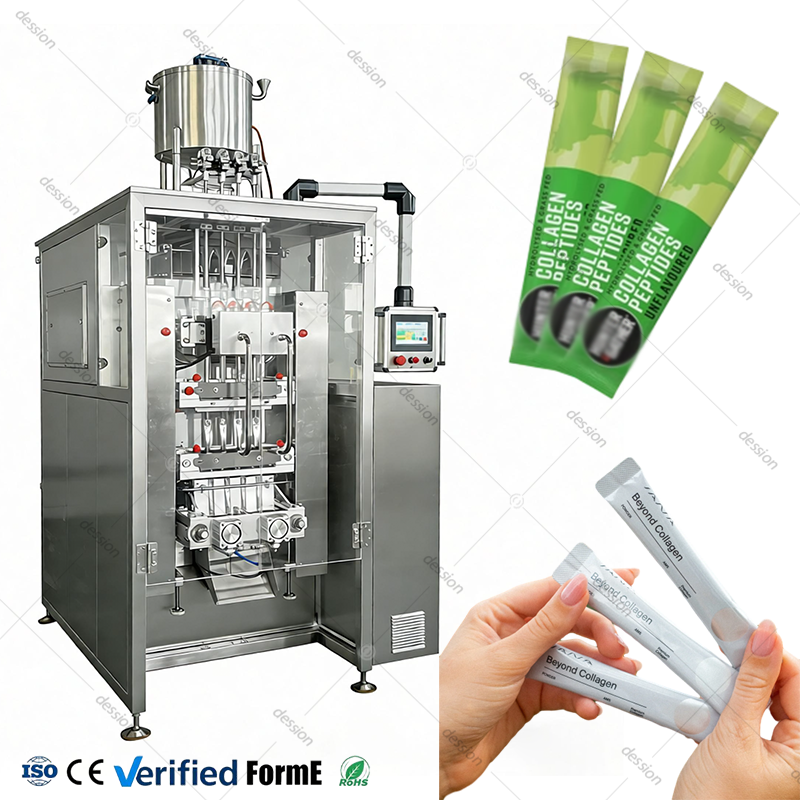
LV-400Y — Multi-Lane Powder Stick Pack Machine
A multi-lane stick-pack configuration for portioned powders, with film forming, auger dosing and sealing.
View configuration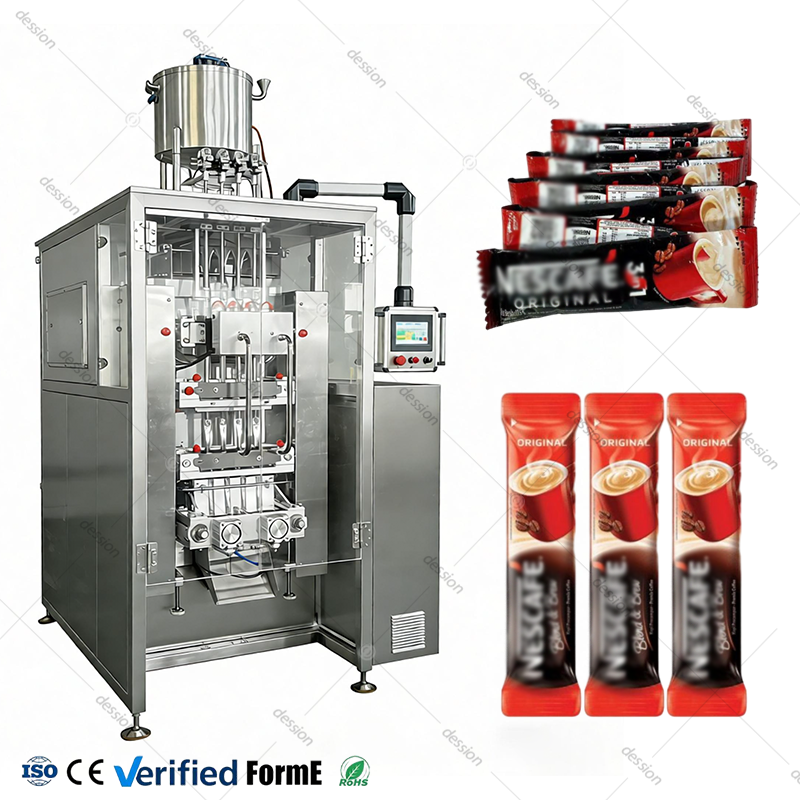
LV-400Y — 4 lanes coffee powder sachet stick packing machine automatic
4 lanes coffee powder sachet stick packing machine automatic. Source-listed applications: Nutraceuticals & Health.
View configuration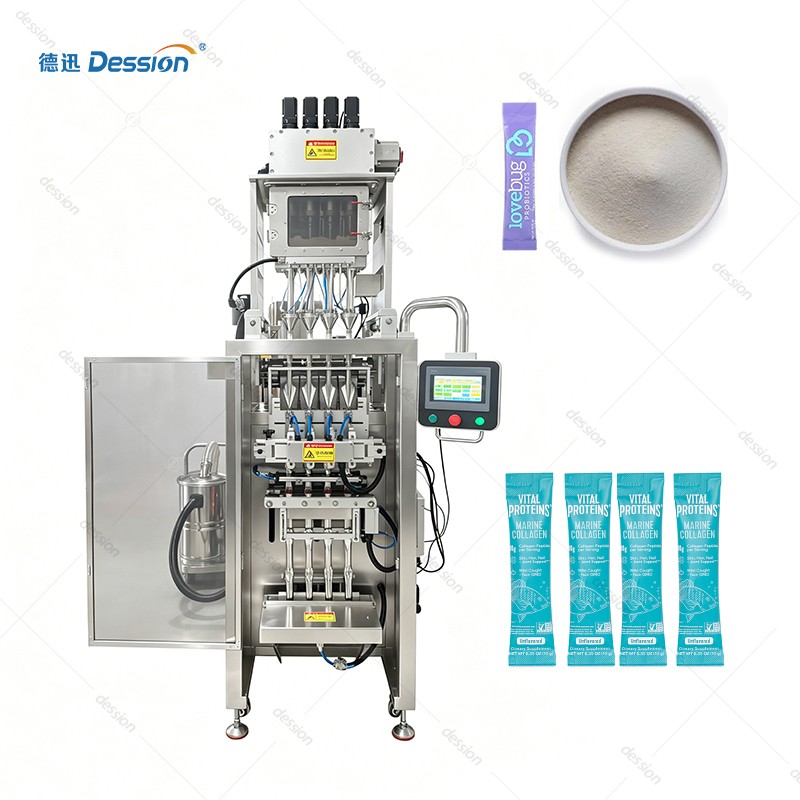
Automatic 4-Lane Back-Seal Powder Packaging Machine for Collagen & Health Supplements
Automatic 4-Lane Back-Seal Powder Packaging Machine for Collagen & Health Supplements. Confirm the product, pack format and scope with LINEVO.
View configuration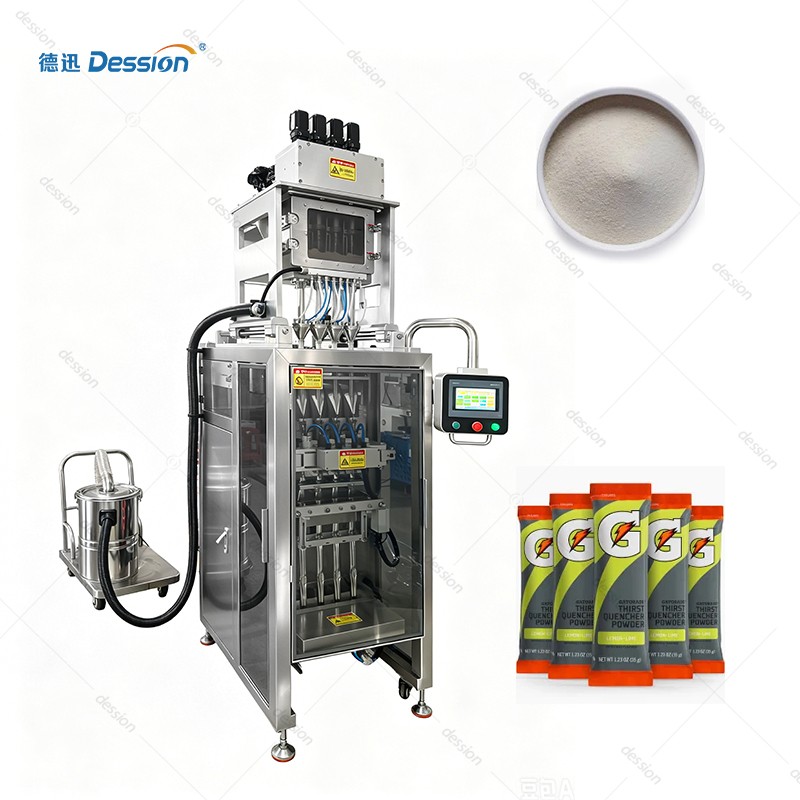
Automatic 4-Lane Back-Seal Powder Packaging Machine for Instant Drinks
Automatic 4-Lane Back-Seal Powder Packaging Machine for Instant Drinks. Source-listed applications: Instant Drink & Beverage Manufacturers.
View configuration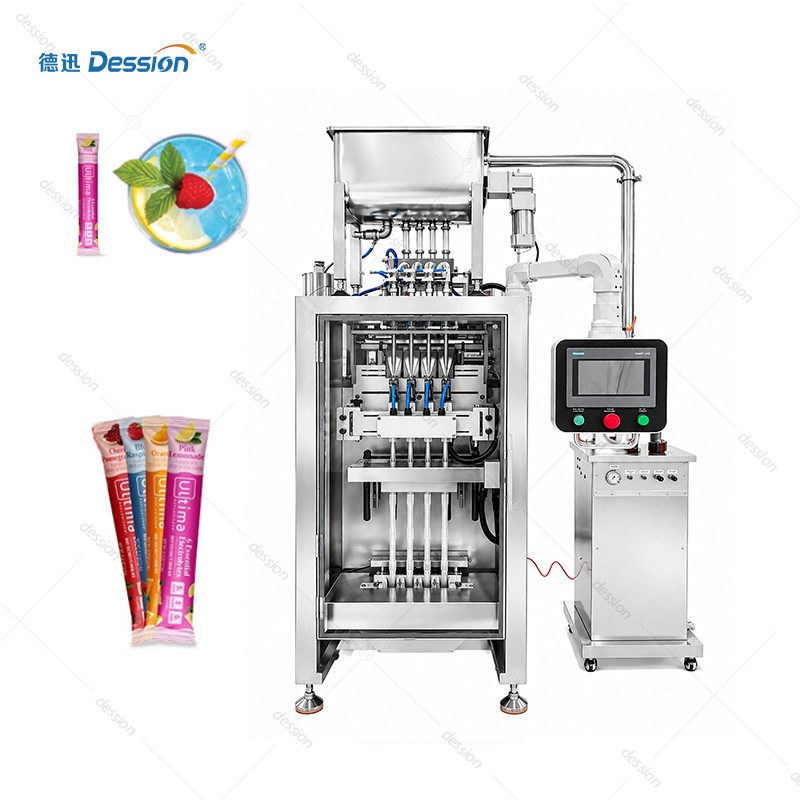
Automatic 4-Lane Stick Pack Packaging Machine for Energy Gel & Sports Nutrition
Automatic 4-Lane Stick Pack Packaging Machine for Energy Gel & Sports Nutrition. Confirm the product, pack format and scope with LINEVO.
View configuration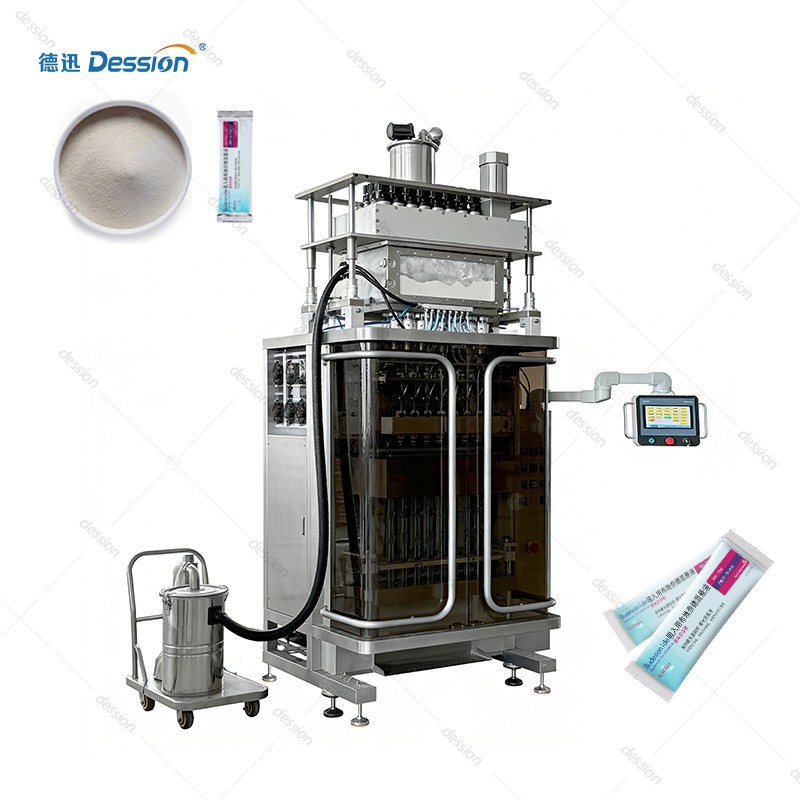
Automatic 8-Lane Back-Seal Powder Packaging Machine for Pharmaceutical Powders
Automatic 8-Lane Back-Seal Powder Packaging Machine for Pharmaceutical Powders. Source-listed applications: Pharmaceutical & Biotech Manufacturers.
View configuration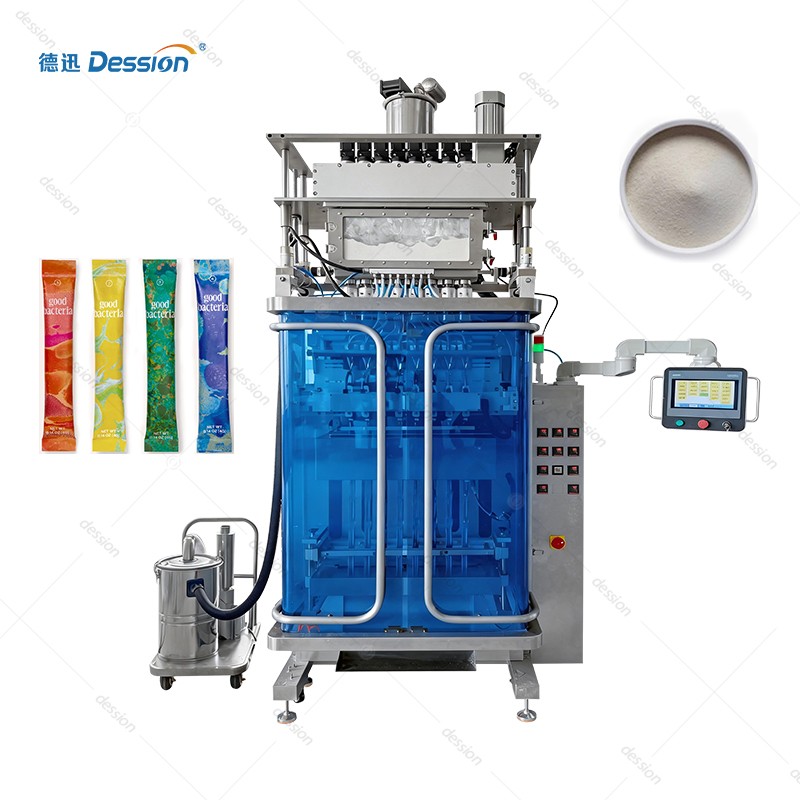
Automatic 8-Lane Back-Seal Powder Packaging Machine for Probiotics
Automatic 8-Lane Back-Seal Powder Packaging Machine for Probiotics. Source-listed applications: Pharmaceutical & Biotech Manufacturers.
View configuration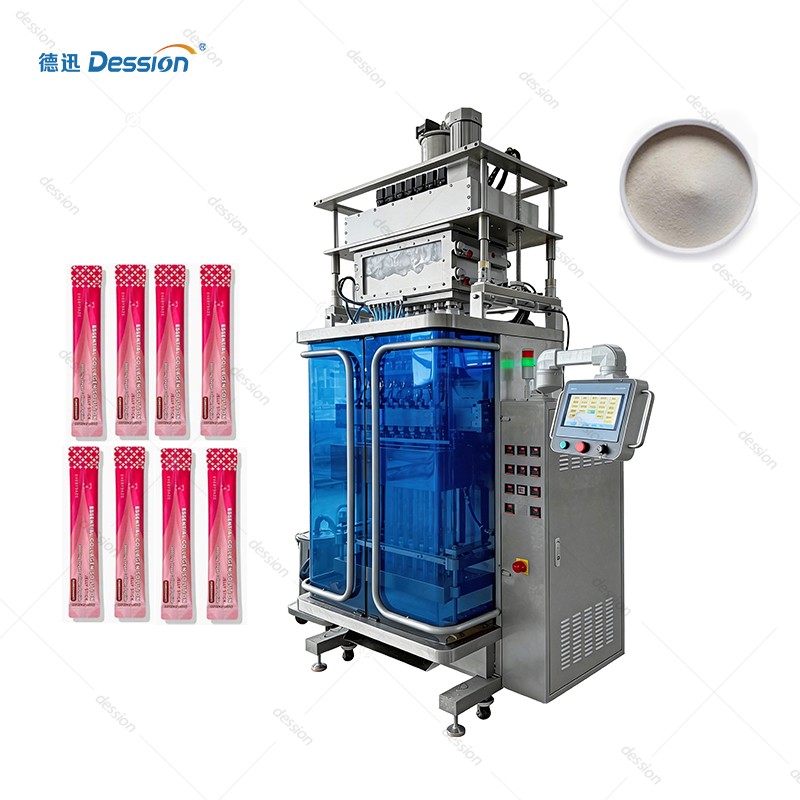
Automatic 8-Lane Back-Seal Powder Packaging Machine for Protein Powder
Automatic 8-Lane Back-Seal Powder Packaging Machine for Protein Powder. Source-listed applications: Sports Nutrition & Fitness Supplement Manufacturers.
View configuration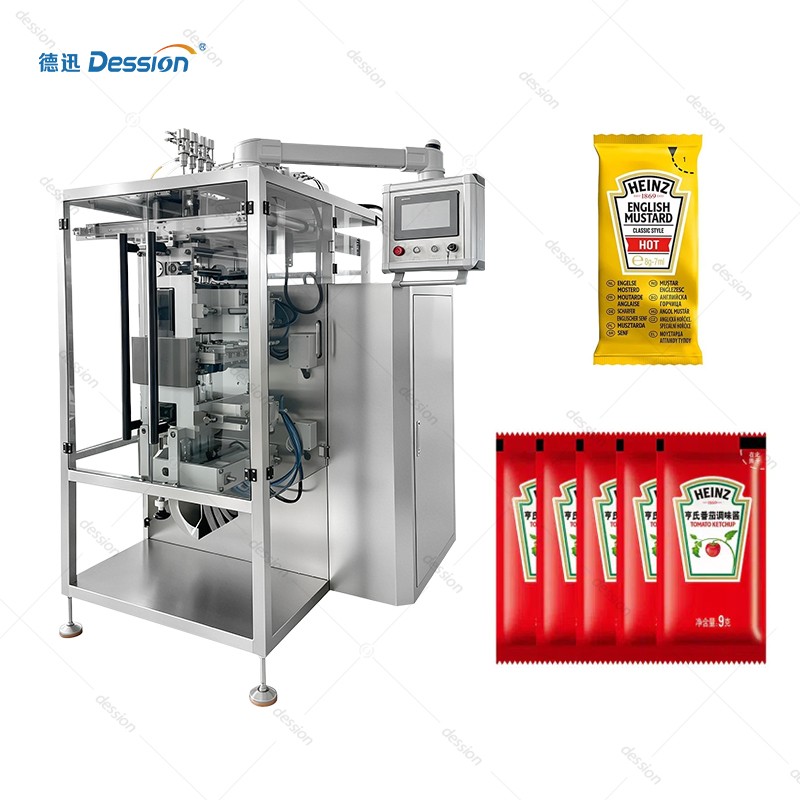
Automatic Multi-Lane Liquid Packaging Machine for Ketchup & Tomato Paste
High-Speed Multi-Lane VFFS Packaging Solution with Anti-Drip Technology for Ketchup, Tomato Paste, and Sauces.
View configuration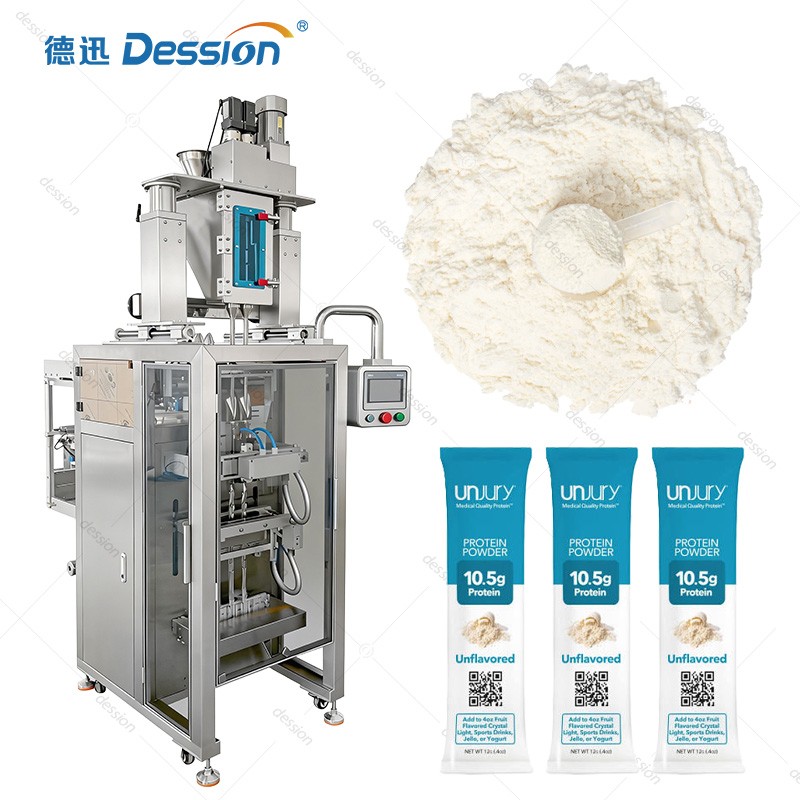
Multi-Lane Stick Pack Machine for Protein and Whey Powder
Multi-Lane Stick Pack Machine for Protein and Whey Powder. Source-listed applications: Nutriceutical & Sports Nutrition Co-Packers.
View configuration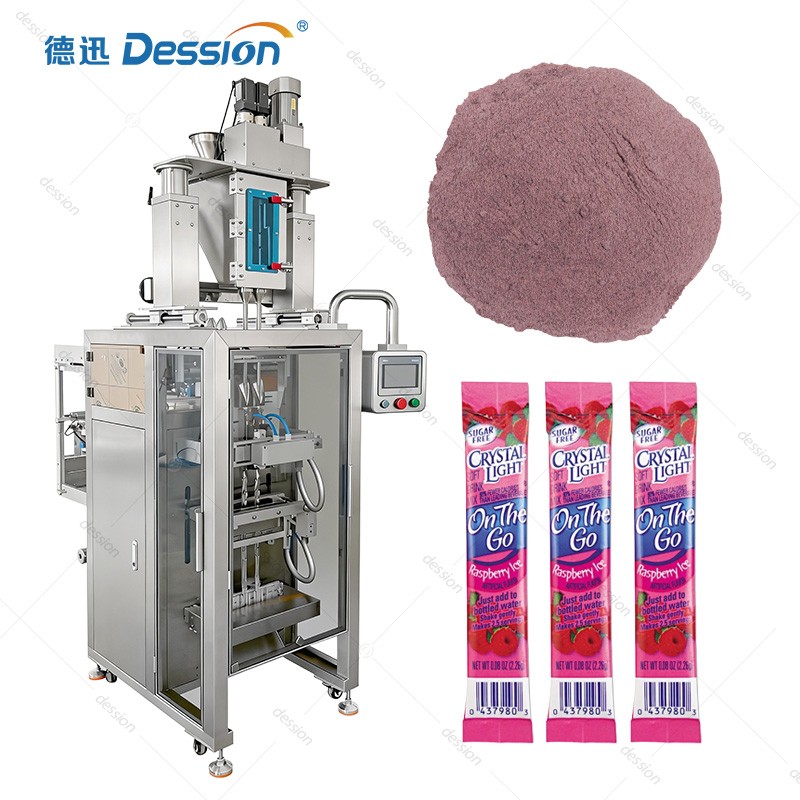
High-Output Multi-Lane Drink Mix Powder Packing Line with Integrated Dust Extraction
Industrial High-Throughput VFFS Stickpack Line with Precision Independent Servo Auger & Active Dust Control.
View configuration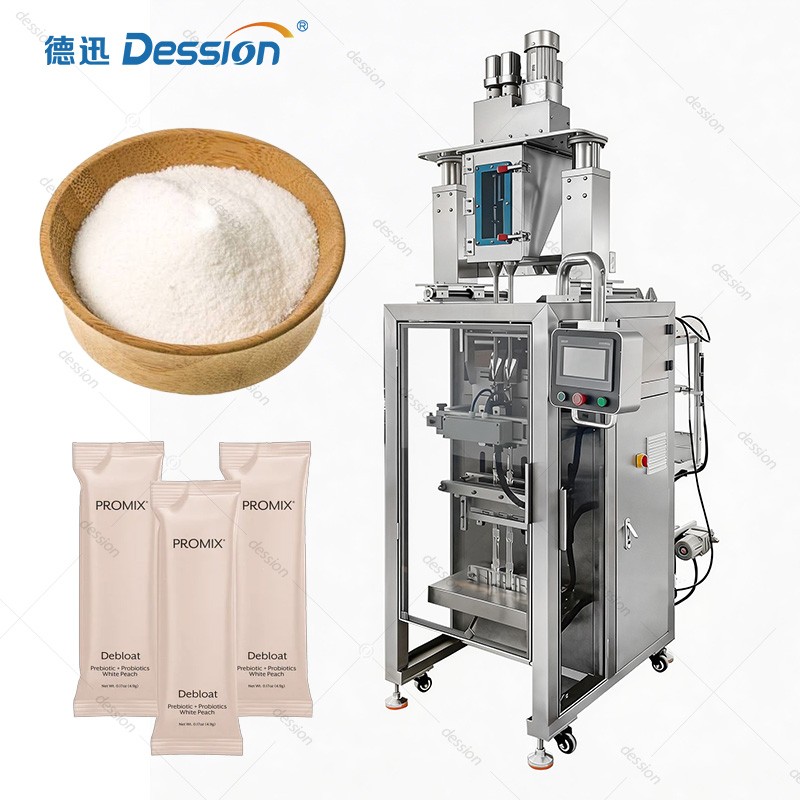
High-Precision Multi-Lane Micro-Dose Probiotic Powder Packaging Line
High-Precision Multi-Lane Micro-Dose Probiotic Powder Packaging Line. Source-listed applications: Nutriceutical & Pharmaceutical Co-Packers.
View configuration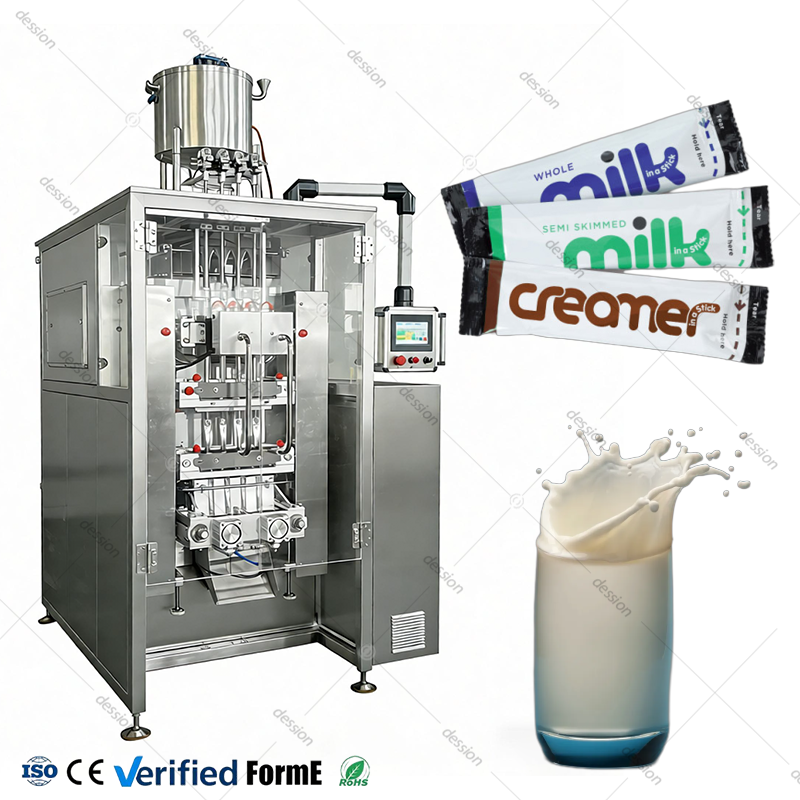
LV-400Y — high speed 4 lanes milk creamer stick sachet filling sealing packing machine automatic
High speed 4 lanes milk creamer stick sachet filling sealing packing machine automatic. Source-listed applications: Food & Beverage.
View configuration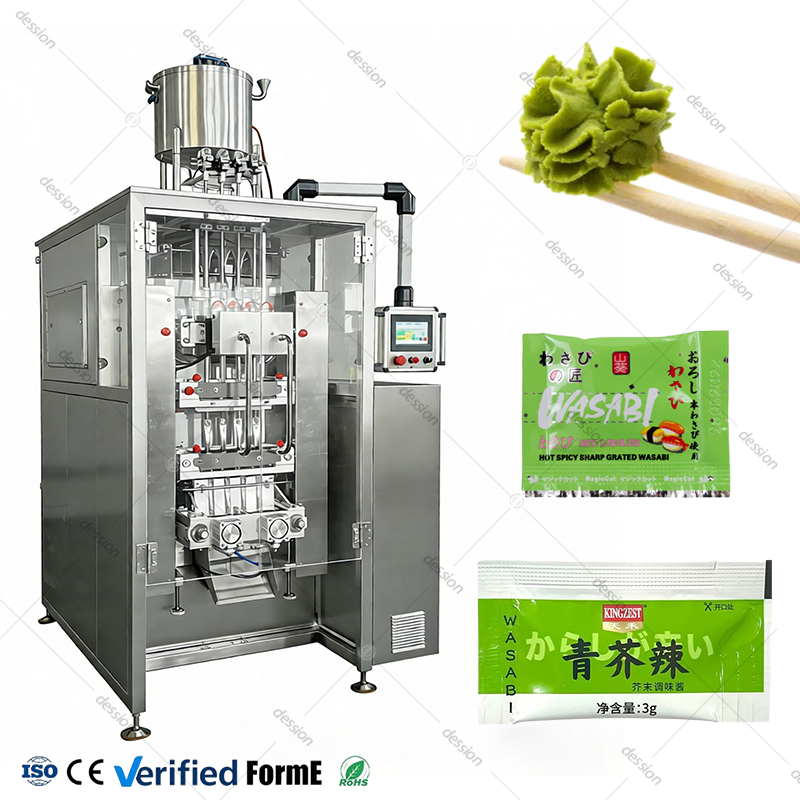
LV-600X — high speed 4 lanes wasabi stick mustard sachet filling sealing packing machine automatic
High speed 4 lanes wasabi stick mustard sachet filling sealing packing machine automatic. Source-listed applications: Condiment & Sauce Processing Plants.
View configuration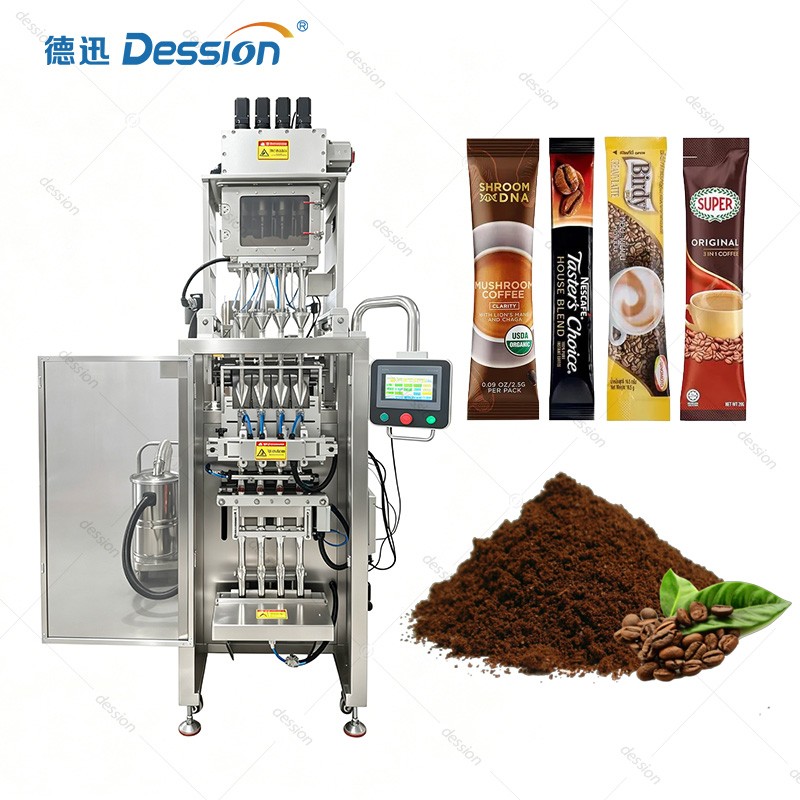
High-Speed Multi-Lane Instant Coffee Powder Packaging Machine with Servo Auger
Industrial High-Throughput VFFS Stickpack Line with Independent Servo Auger Array & Active Dust Control.
View configuration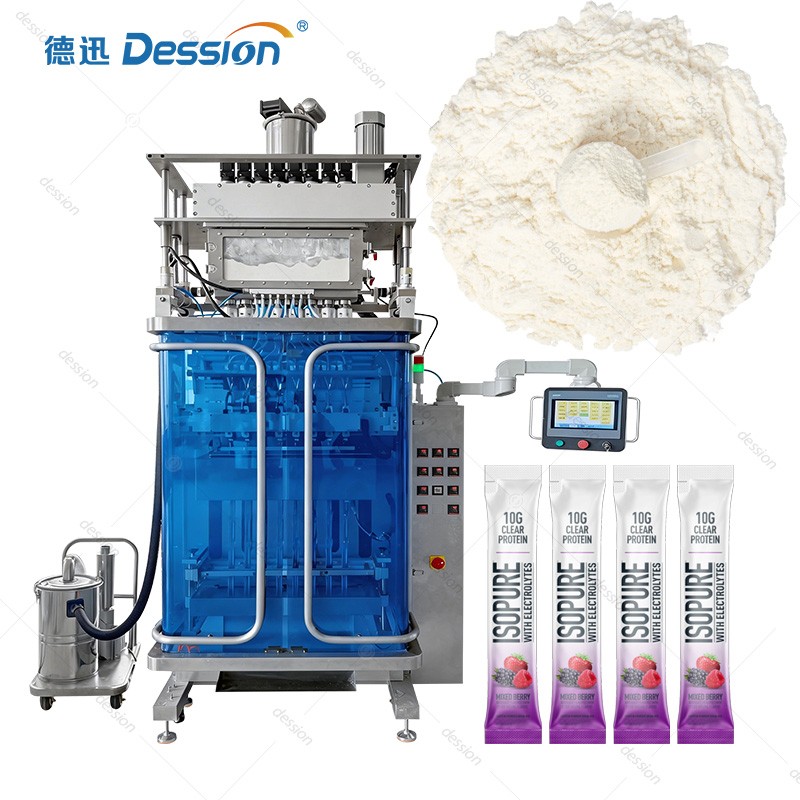
High-Speed Multi-Lane Powder Stick Packing Machine with Auger Filler
Industrial High-Throughput Vertical Form Fill Seal (VFFS) Stickpack Line with Independent Servo Auger Control & Active Dust Extraction.
View configuration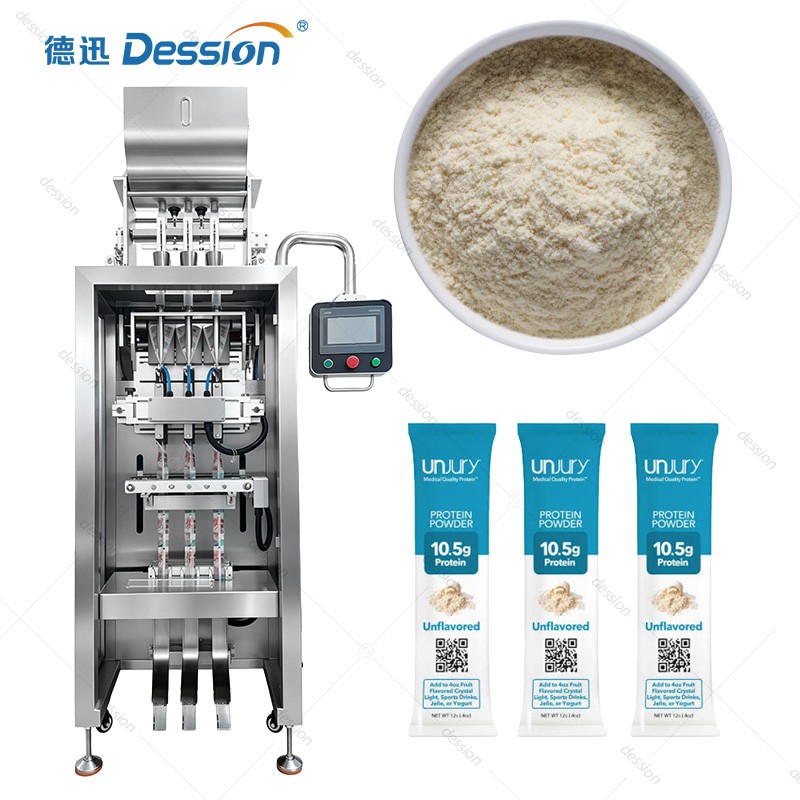
High-Speed Multilane Stickpack Machine for Whey and Collagen Protein Powder
Advanced Multi-Lane Vertical Form Fill Seal (VFFS) Bagger with Independent Servo Auger Dosing & Dust-Controlled Sealing Array.
View configuration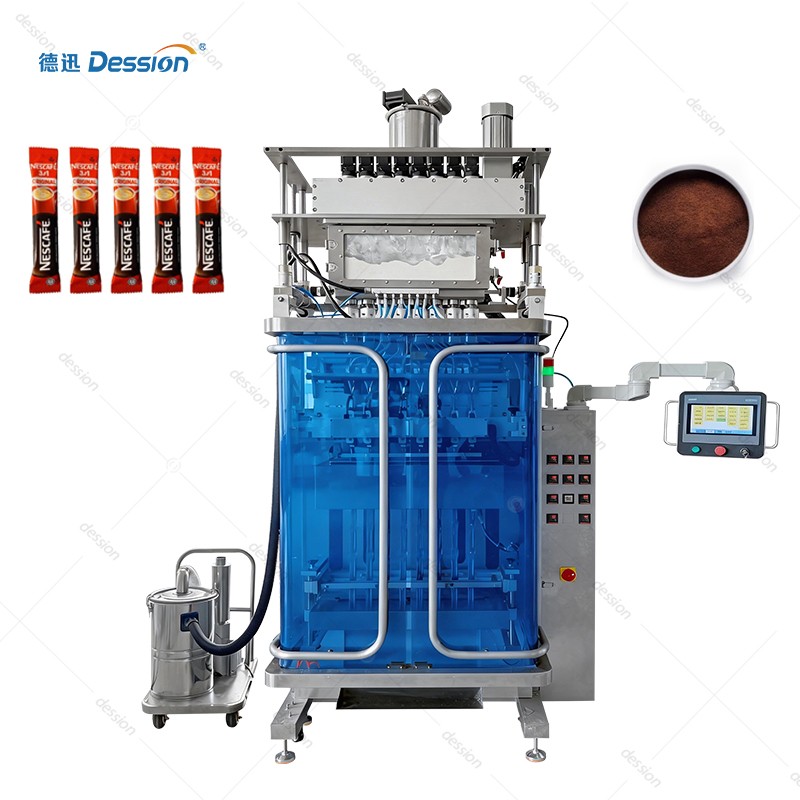
Automatic 8-Lane Back-Seal Powder Packaging Machine for Coffee Powder
Automatic 8-Lane Back-Seal Powder Packaging Machine for Coffee Powder. Source-listed applications: Coffee Roasters & Instant Beverage Manufacturers.
View configuration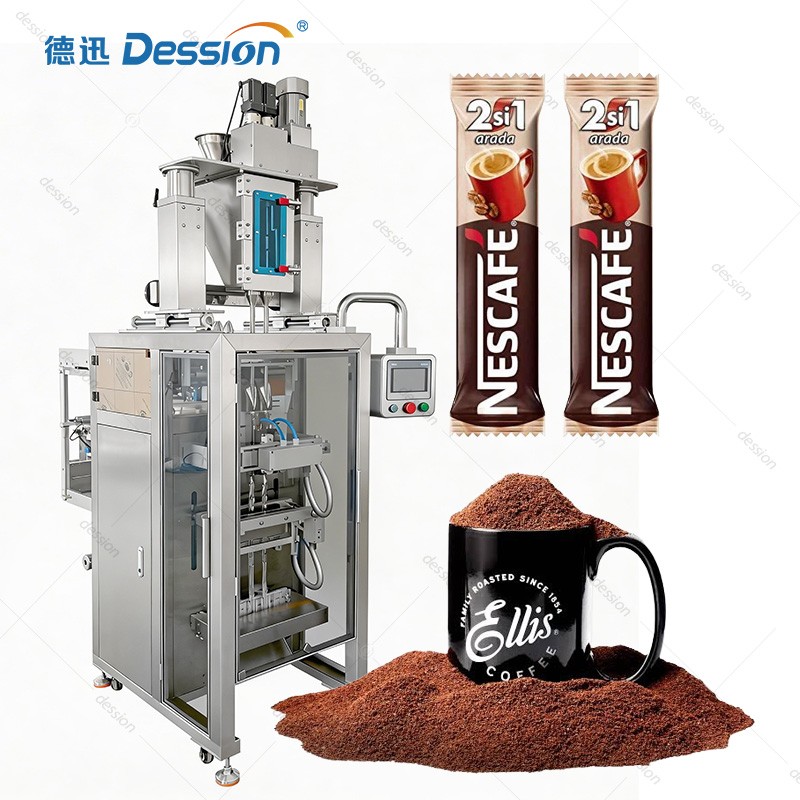
Multi-Lane Coffee Powder Stick Pack Machine with Advanced Nitrogen Flushing
Multi-Lane Coffee Powder Stick Pack Machine with Advanced Nitrogen Flushing. Source-listed applications: Coffee Roasters & Co-Packers.
View configuration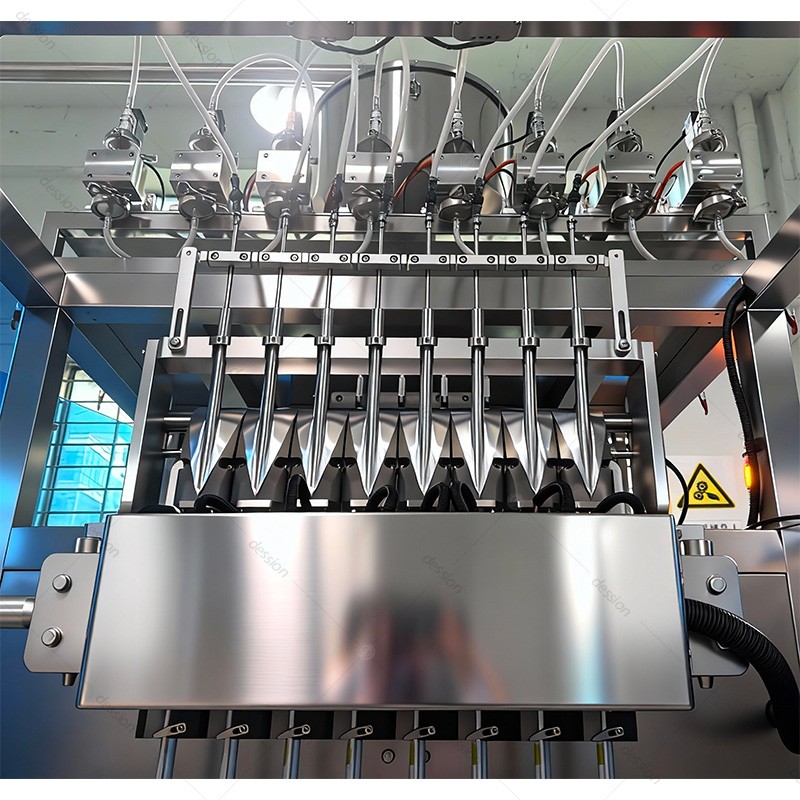
Multi-Lane Energy Gel Stick Pack Machine with Anti-Dripping Liquid Pump
High-Throughput Vertical Form Fill Seal (VFFS) Liquid Bagger with Precision Rotary Piston Array & Hermetic Seal Control.
View configuration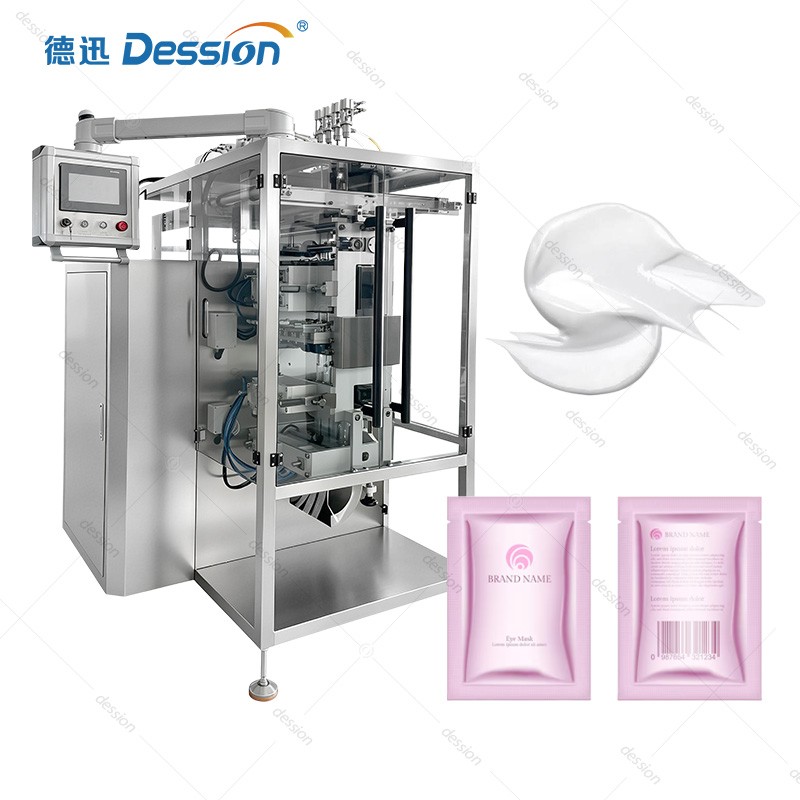
Multi-Lane Lotion Stick Pack Machine with Gentle Servo Filling Technology
Industrial High-Speed Multi-Lane VFFS Stickpack Line for Premium Viscous Lotions & Cosmetics. Confirm the product, pack format and configuration with LINEVO.
View configuration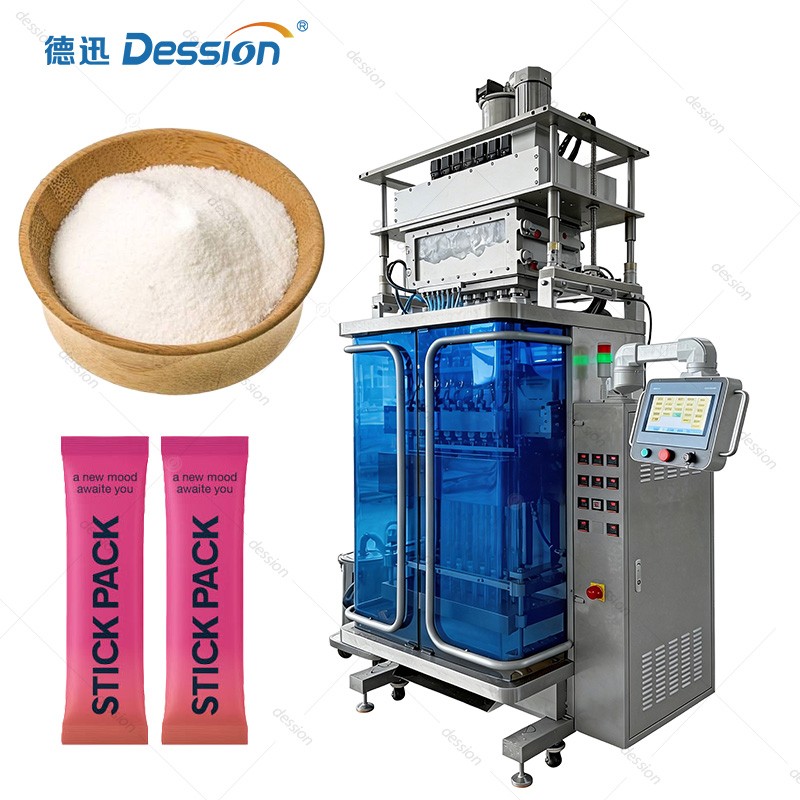
Multi-Lane Probiotic Powder Stick Pack Machine with Nitrogen Flushing
Multi-Lane Probiotic Powder Stick Pack Machine with Nitrogen Flushing. Source-listed applications: Nutriceutical & Dietary Supplement Co-Packers.
View configuration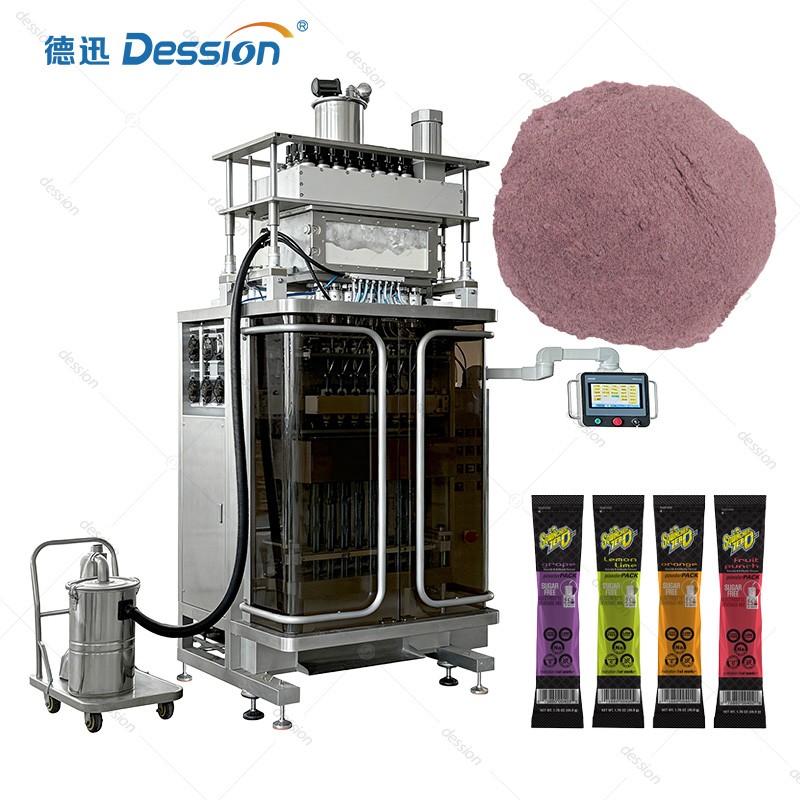
Precision Multi-Lane Stick Pack Machine for Complex Beverage Powder Blends
Industrial Multi-Lane VFFS Line with Anti-Segregation Dosing & High-Integrity Seal Technology. Confirm the product, pack format and configuration with LINEVO.
View configuration