
Where flow wrapping fits
A flow wrapper, also called a horizontal form fill seal or pillow packing machine, wraps solid products that travel horizontally. Film is formed into a tube around the product, sealed along the bottom with a fin seal and closed with end seals.
The 27 configurations in this family cover chocolate and energy bars, biscuits and wafers, candy and lollipops, bread, mooncakes, instant noodles, ice lollies, fresh fruit and vegetables, frozen dumplings on trays, and household items such as sponges, toothbrushes, cutlery kits, slippers and sanitary napkins. Reference models include the LV-250B/D and the LV-250X.
- Bars, biscuits, wafers, candy and lollipops
- Bread, mooncakes, instant noodles and trayed frozen food
- Fresh fruit and vegetables, loose or on trays
- Household items such as sponges, toothbrushes and cutlery kits
How a horizontal flow wrapper works
Pack length is set by the cut length, while pack width and height are set by the forming box. Products of very different cross-sections may need a different forming box.
Some layouts feed film from below the product, which can help with soft or loose items that are difficult to push. Confirm the layout for your product.
- Infeed conveyor with pushers, loaded by hand or from an automatic feeder
- Film unwinding with registration for printed film
- Forming box that folds the film around the product
- Fin seal wheels that make the longitudinal seal
- Rotary end-seal jaws that seal and cut each pack
- Discharge conveyor, with optional coding or gas flushing
Start with product geometry and feeding
Provide the product dimensions, orientation, surface behavior and whether a tray is used. Feeding regularity and product spacing are central to a wrapping proposal.
- Minimum and maximum product dimensions
- Fragility, stickiness and orientation
- Manual or automatic infeed and grouping needs
- Whether several items are wrapped together in one pack
Infeed options
Most wrapping problems start at the infeed. The machine can only wrap well if each product arrives in the right position and at a steady pitch.
- Manual loading onto the infeed chain for lower volumes and mixed products
- Automatic transfer from a production conveyor, with alignment and spacing
- Rotary disc feeding for small candies, shown in a confectionery configuration
- Tray feeding for produce and frozen dumplings
- Multi-component feeding for kits such as cutlery sets or noodles with seasoning sachets
Review film and end seals
Confirm the film type, finished pack length and seal area. State whether coding, inspection or downstream cartoning must be included.
Heat-sensitive products such as chocolate are sometimes wrapped in cold-seal film, which changes the sealing arrangement. Gas flushing is listed as an optional device on some configurations; if you need it, define the target and how it will be checked.
- Heat-seal or cold-seal film, thickness and reel specification
- End seal pattern and any easy-open feature
- Coding position and code content
- Gas flushing, if the product requires it
Line integration
Flow wrappers often sit directly after production: a bakery cooling conveyor, a bar forming line or a candy line. Downstream, wrapped products may go to cartoning or case packing. Some cartoning configurations are presented as complete lines from flow wrapping to cartons for bars and pizza.
Rigid boxes that need a tight folded film finish belong to the cellophane overwrapping route rather than flow wrapping.
What to send for an evaluation
Send product samples or dimensions with photos, trays if used, the film specification, a finished pack sample and the output you need. Describe how products reach the wrapper today. Sample quantities for any trial are agreed with the team before shipping.
Questions buyers ask about flow wrappers
Can one wrapper run several product sizes? Pack length changes with the cut length. A significant change in width or height may need another forming box and infeed adjustment, which should be listed in the quotation.
Should I choose hand loading or an automatic infeed? Hand loading suits lower volumes and frequent product changes. An automatic infeed needs products to arrive consistently and is usually part of a wider line project.
What is the difference between flow wrapping and overwrapping? A flow wrapper makes a pillow pack with fin and end seals. An overwrapper folds film tightly around a rigid box, like the film on a perfume or tea box.
27 models and configurations
Open a model to review its configuration, specifications and supporting information.
27 / 27 configurations
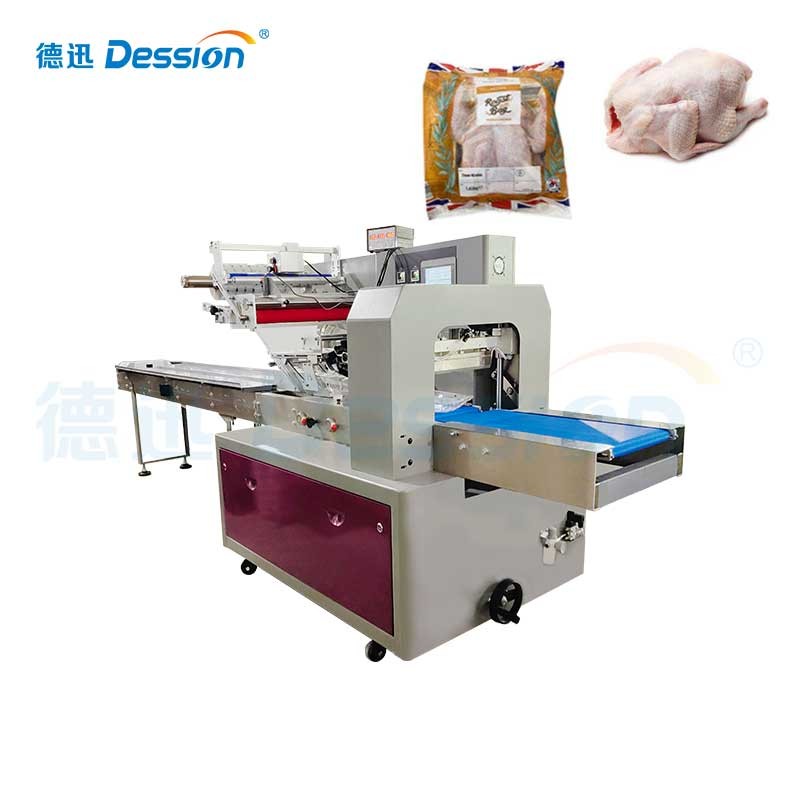
LV-250B/D — Horizontal Pillow Flow Wrapping Machine
A horizontal flow-wrapper configuration for individually presented products.
View configuration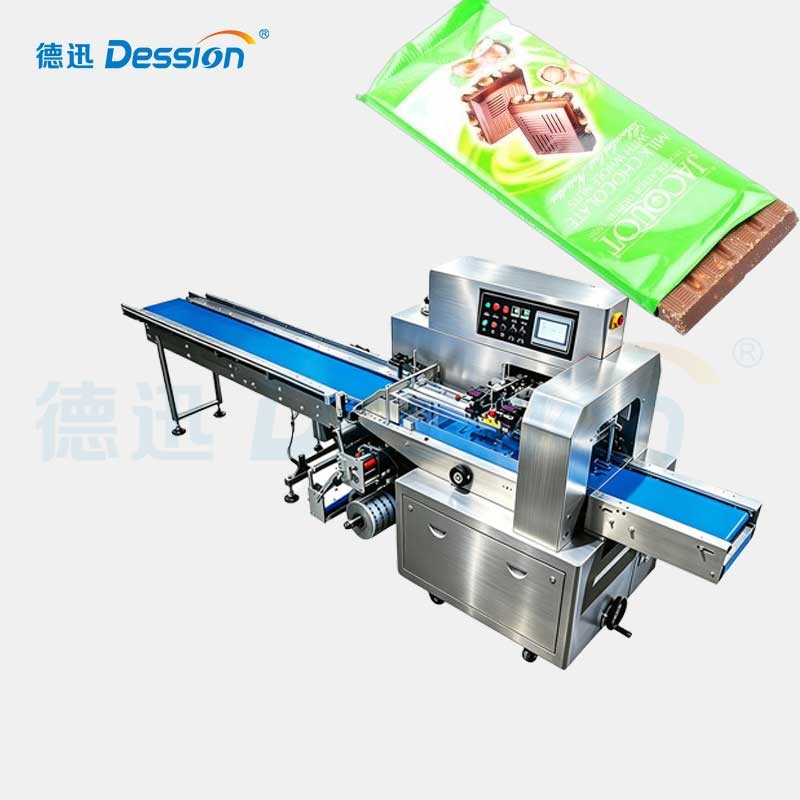
Automatic Chocolate Bar Packaging Machine
Automatic Chocolate Bar Packaging Machine. Confirm the product, pack format and scope with LINEVO.
View configuration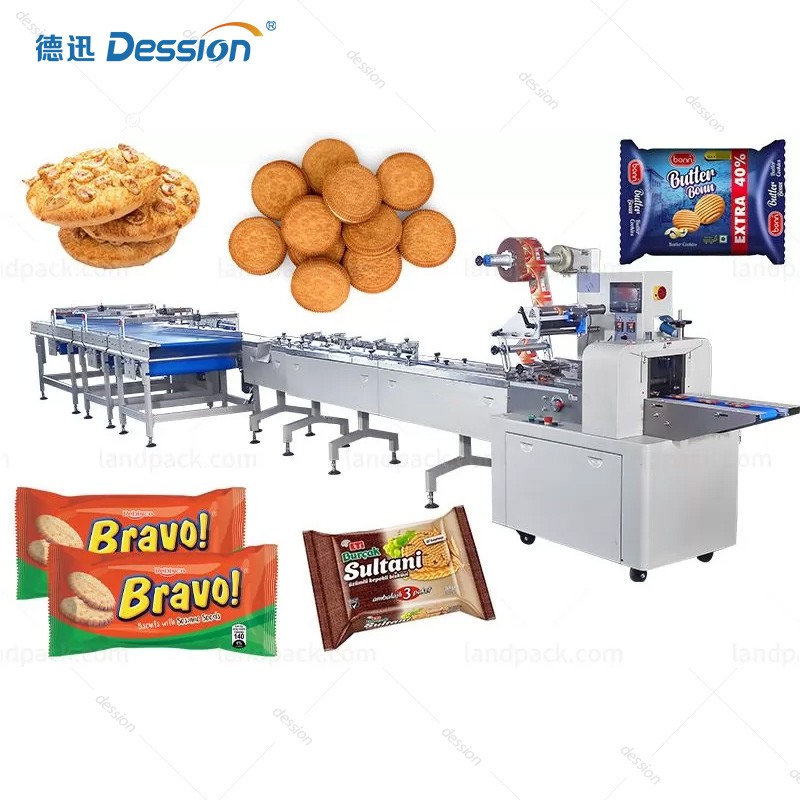
Automatic High-Speed Biscuit Packaging Machine
Precision High-Speed Packaging Solutions for Biscuits and Fragile Bakery Products. Confirm the product, pack format and configuration with LINEVO.
View configuration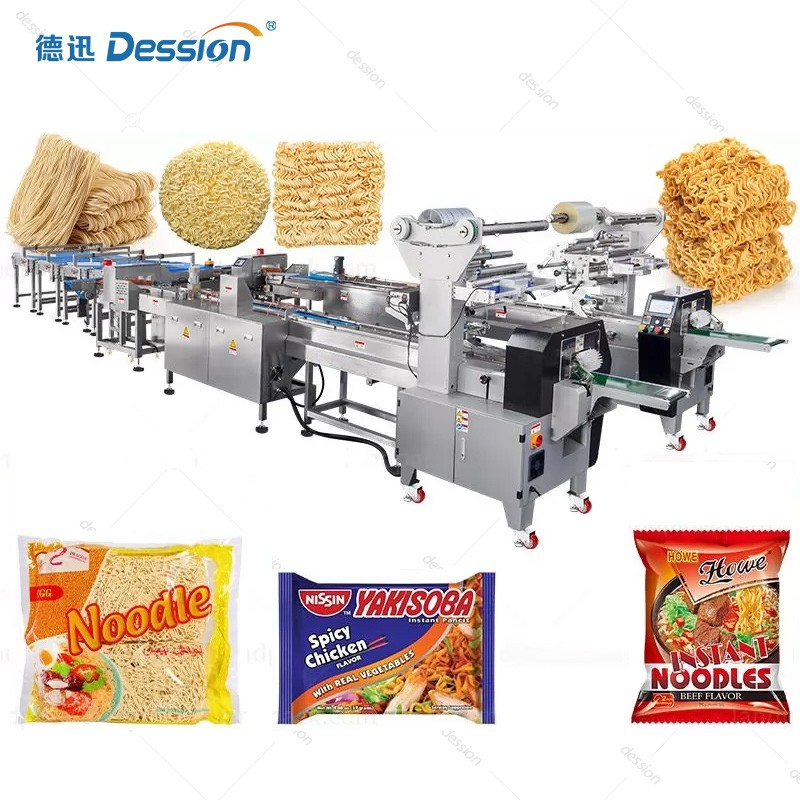
Automatic Instant Noodle Packaging Line
High-Speed Integrated Packaging Solutions for Instant Noodle Production. Confirm the product, pack format and configuration with LINEVO.
View configuration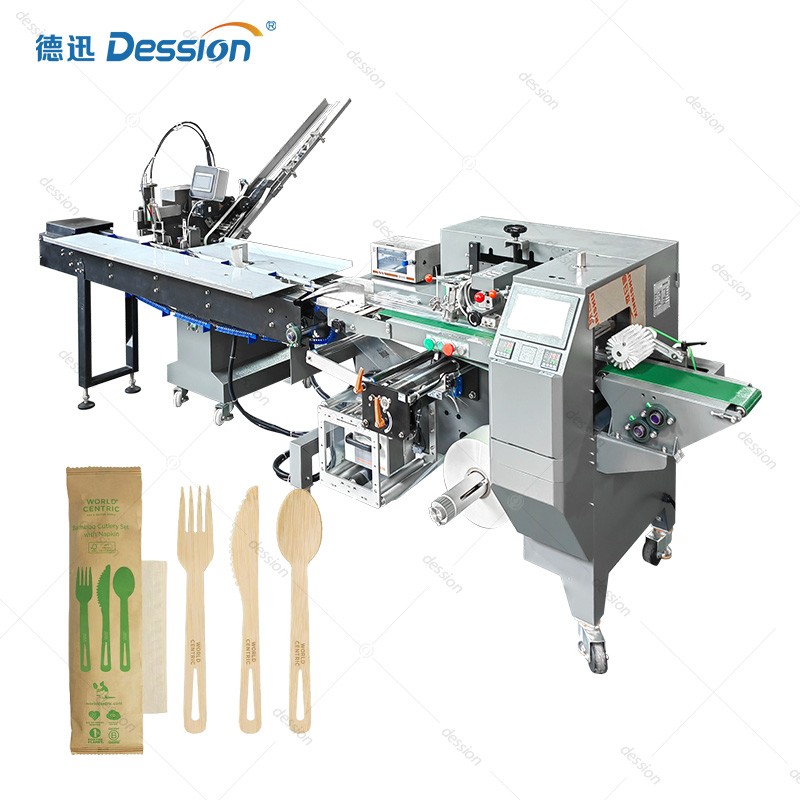
Automatic Single-Portion Disposable Cutlery Packaging Machine
Automatic Single-Portion Disposable Cutlery Packaging Machine. Source-listed applications: Disposable Cutlery Manufacturers.
View configuration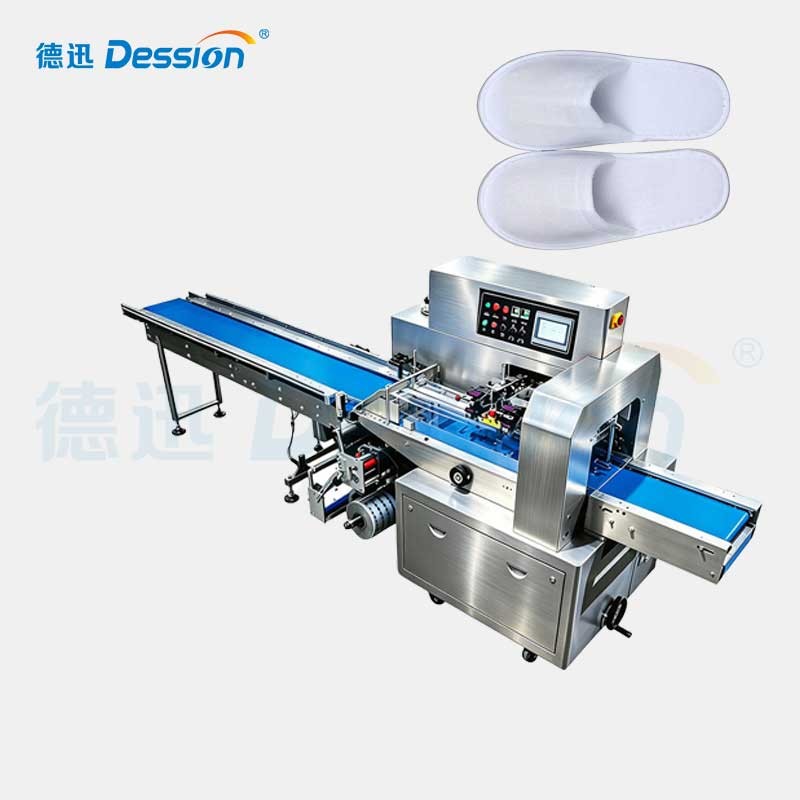
Automatic Slippers Packing Machine
Automatic Slippers Packing Machine. Confirm the product, pack format and scope with LINEVO.
View configuration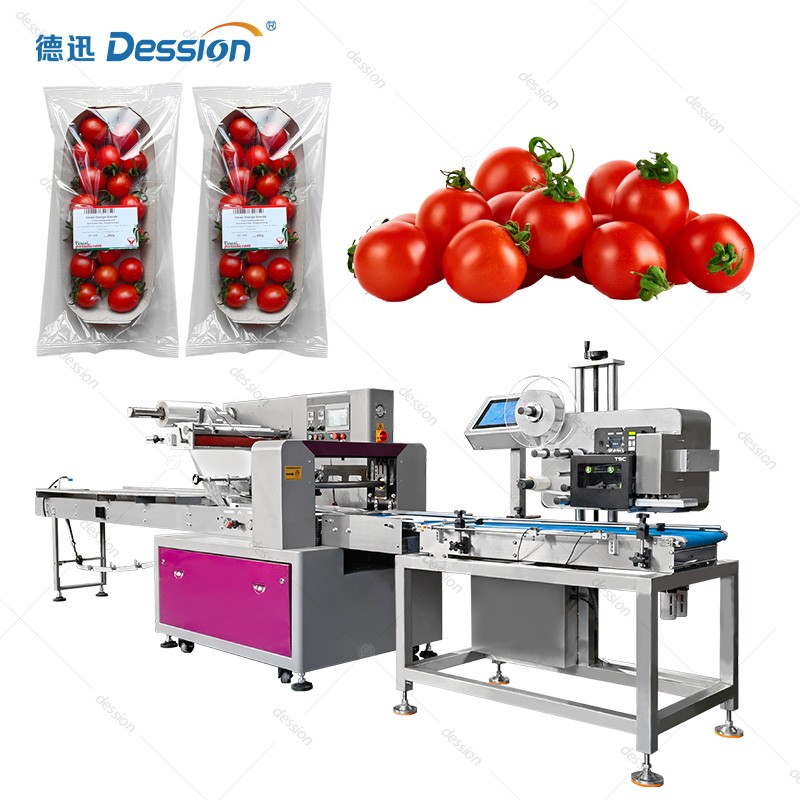
Automatic Tomato Tray Packaging Machine
Automatic Tomato Tray Packaging Machine. Source-listed applications: Produce Suppliers & Agricultural Processors; Premium Retail Food Brands.
View configuration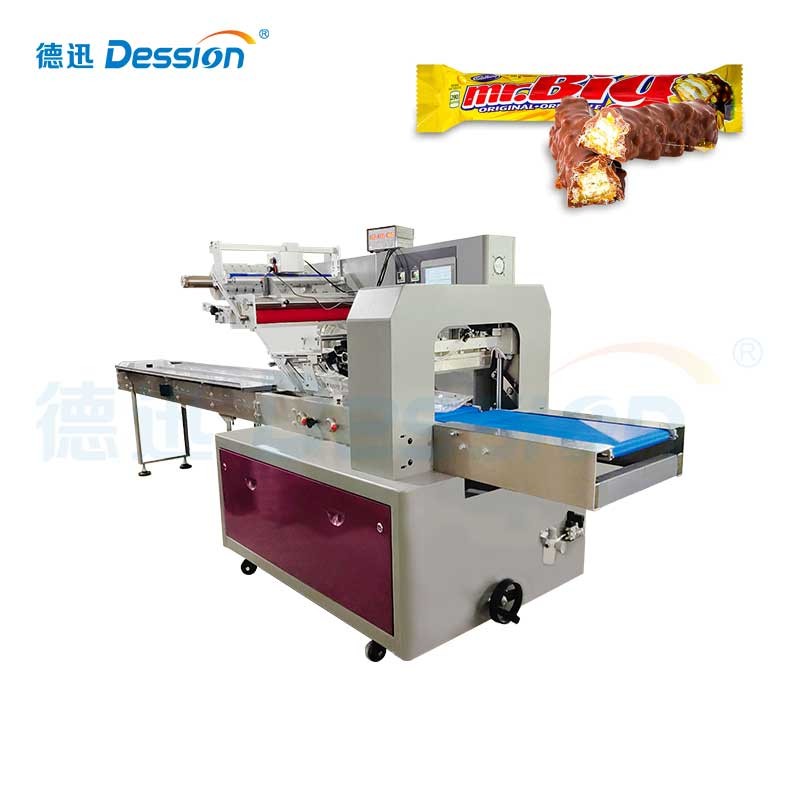
Chocolate Energy Bar Packaging Machine
Chocolate Energy Bar Packaging Machine. Confirm the product, pack format and scope with LINEVO.
View configuration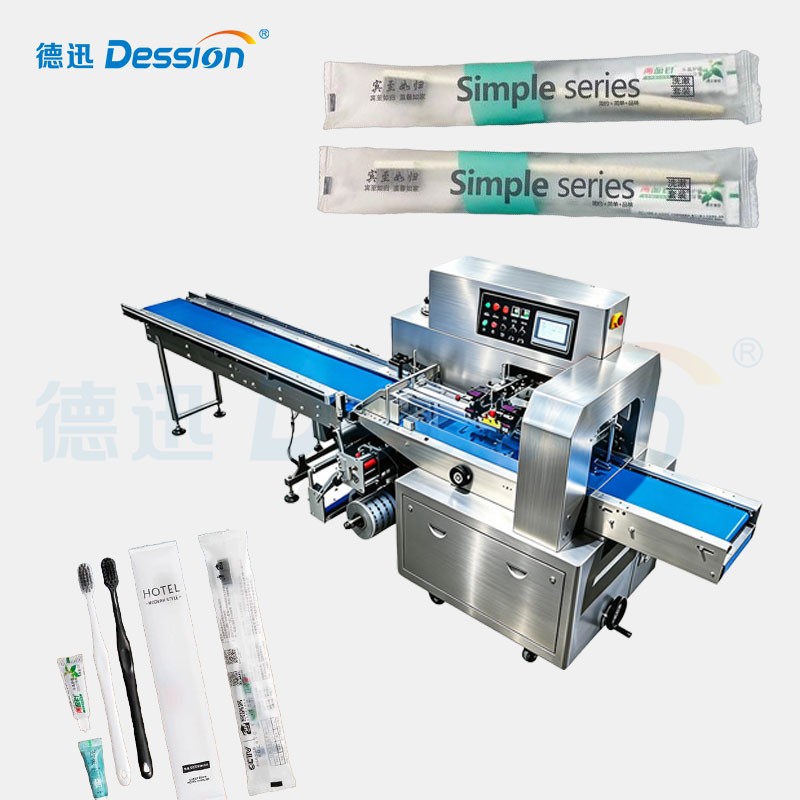
LV-250X — Disposable Toothbrush Horizontal Pillow Packaging Machine
Disposable Toothbrush Horizontal Pillow Packaging Machine for packaging of soap, tissues/wet wipes, disposable masks, disposable toothbrushes, razors.
View configuration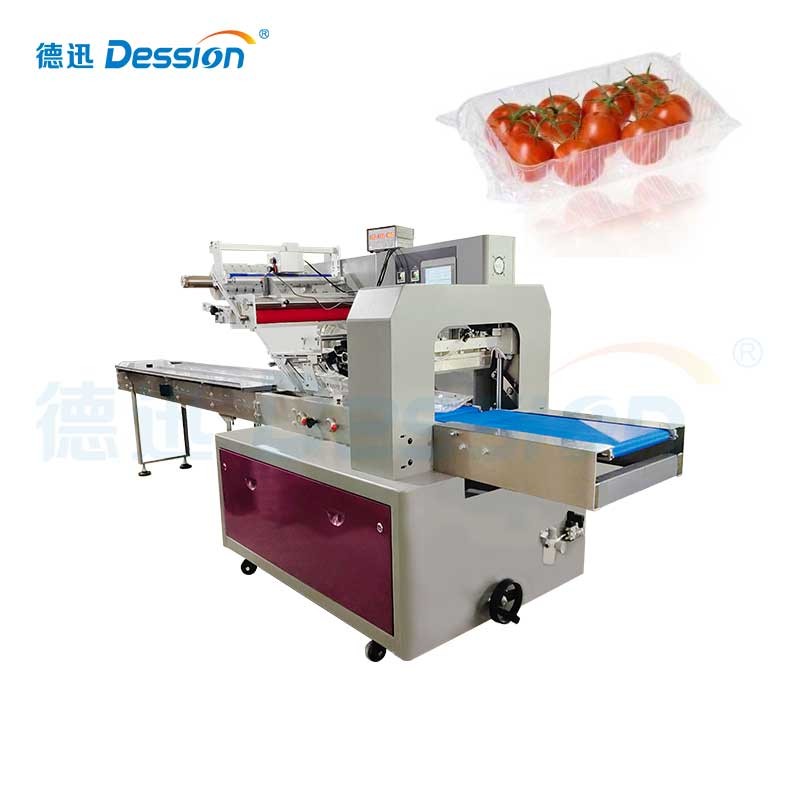
Fresh Fruit Packaging Machine With Tray
Fresh Fruit Packaging Machine With Tray. Confirm the product, pack format and scope with LINEVO.
View configuration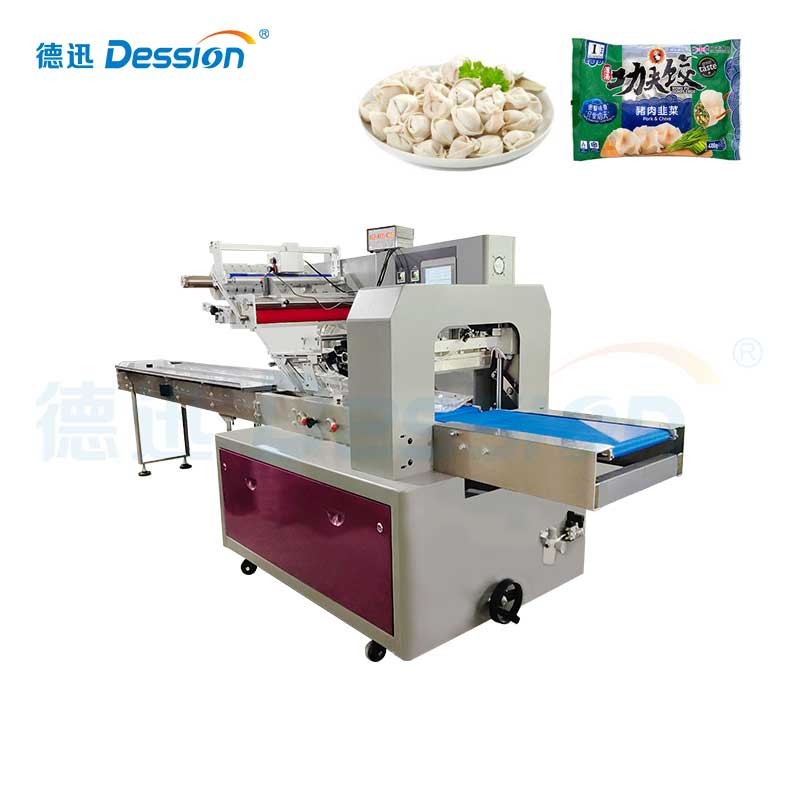
LV-250B/D — Full Automatic Frozen Dumpling with Tray Packaging Machine
Full Automatic Frozen Dumpling with Tray Packaging Machine. Confirm the product, pack format and scope with LINEVO.
View configuration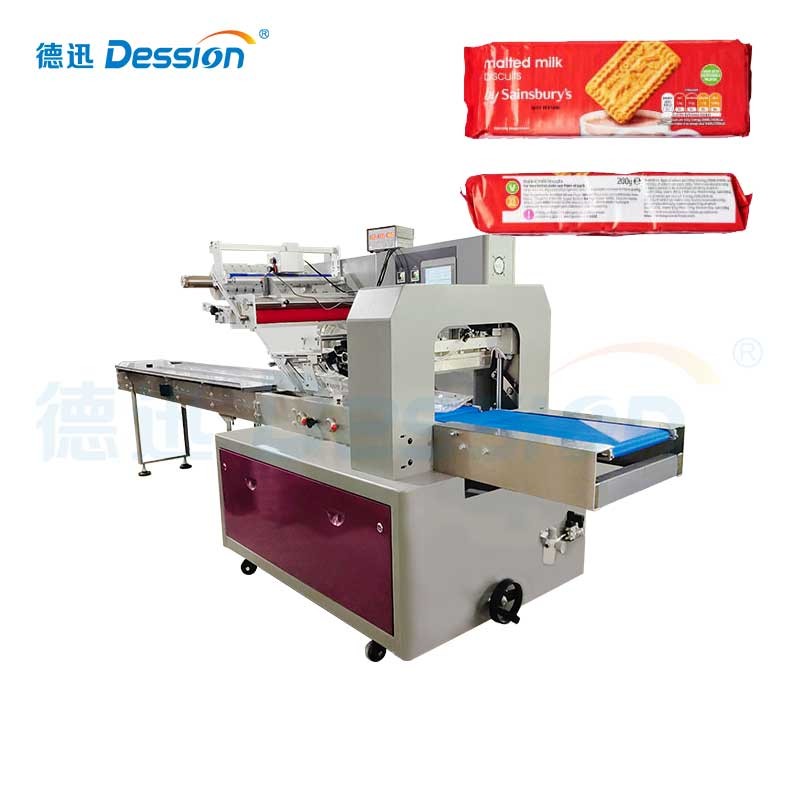
LV-250X — Full Automatic Wafer Biscuit Packing Machine
Full Automatic Wafer Biscuit Packing Machine. Confirm the product, pack format and scope with LINEVO.
View configuration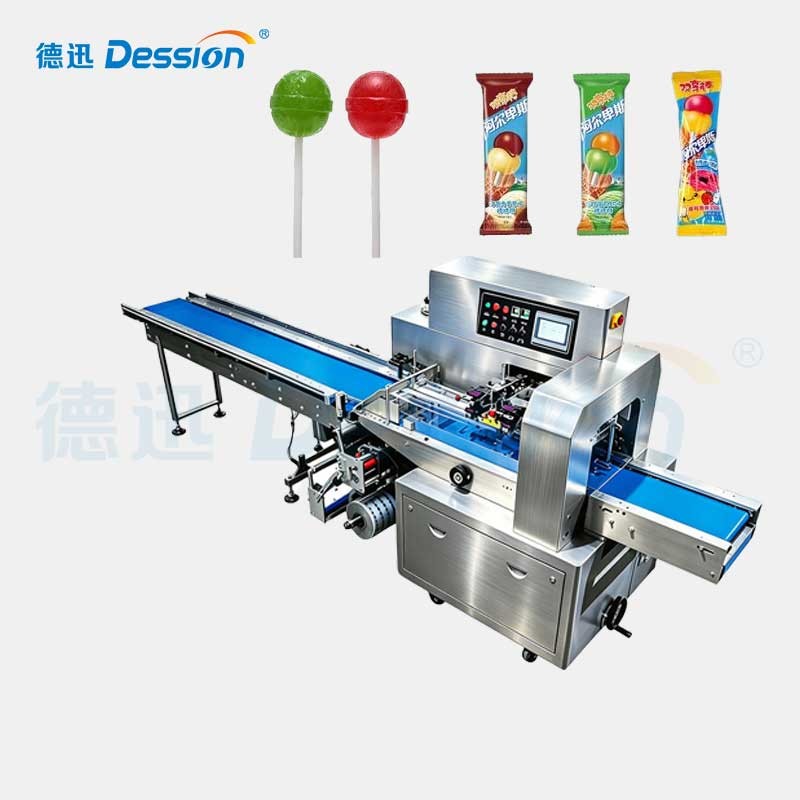
Full Servo Horizontal Automatic Lollipop Packing Machine
Full Servo Horizontal Automatic Lollipop Packing Machine. Confirm the product, pack format and scope with LINEVO.
View configuration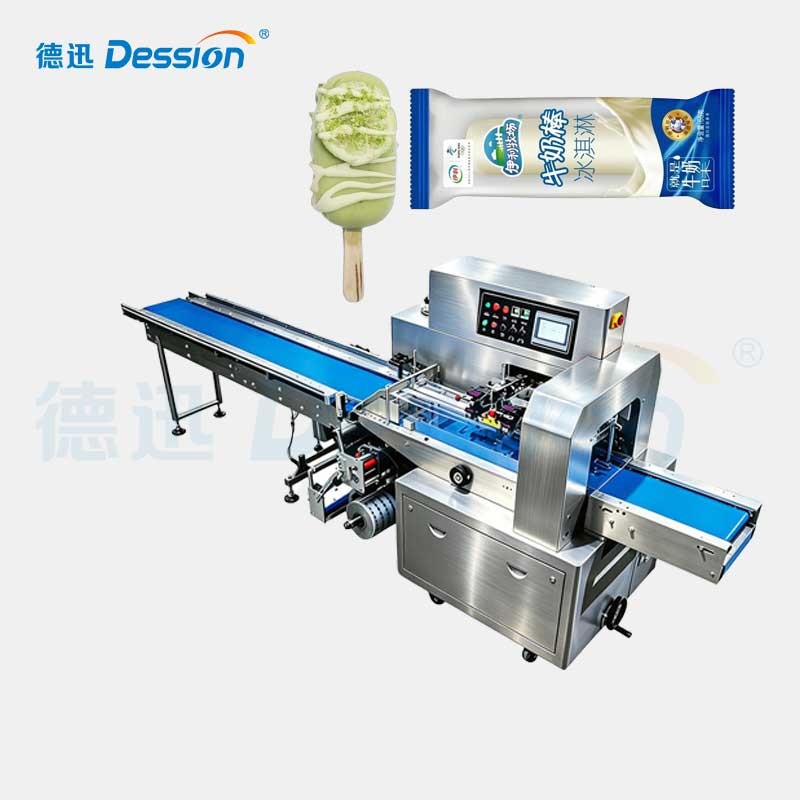
High Quality Automatic Ice Lolly Horizontal Packing Machine
High Quality Automatic Ice Lolly Horizontal Packing Machine. Confirm the product, pack format and scope with LINEVO.
View configuration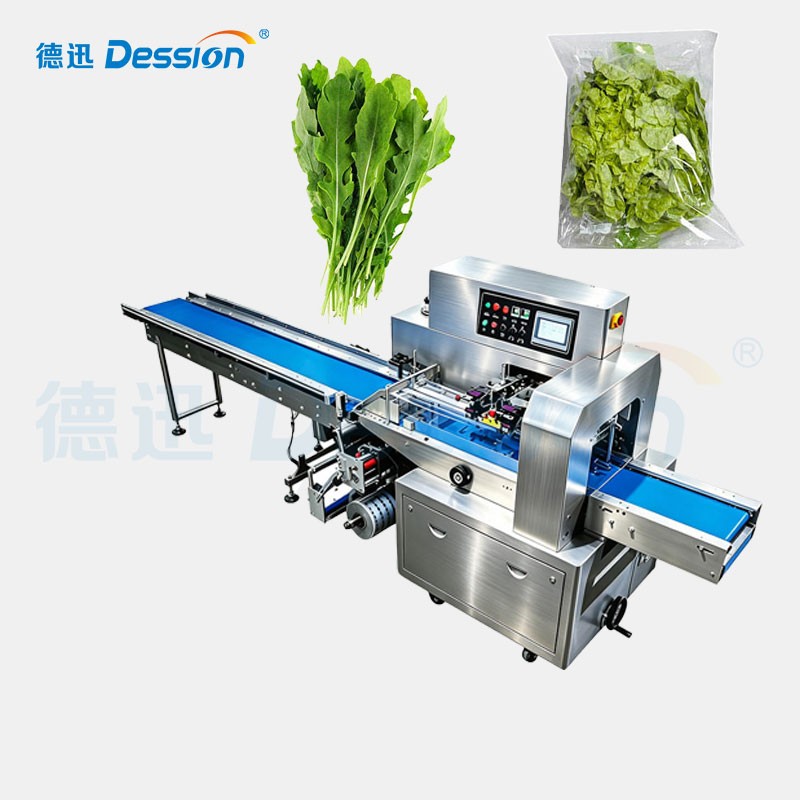
LV-250X — High Quality Automatic Vegetable Horizontal Packing Machine
High Quality Automatic Vegetable Horizontal Packing Machine. Confirm the product, pack format and scope with LINEVO.
View configuration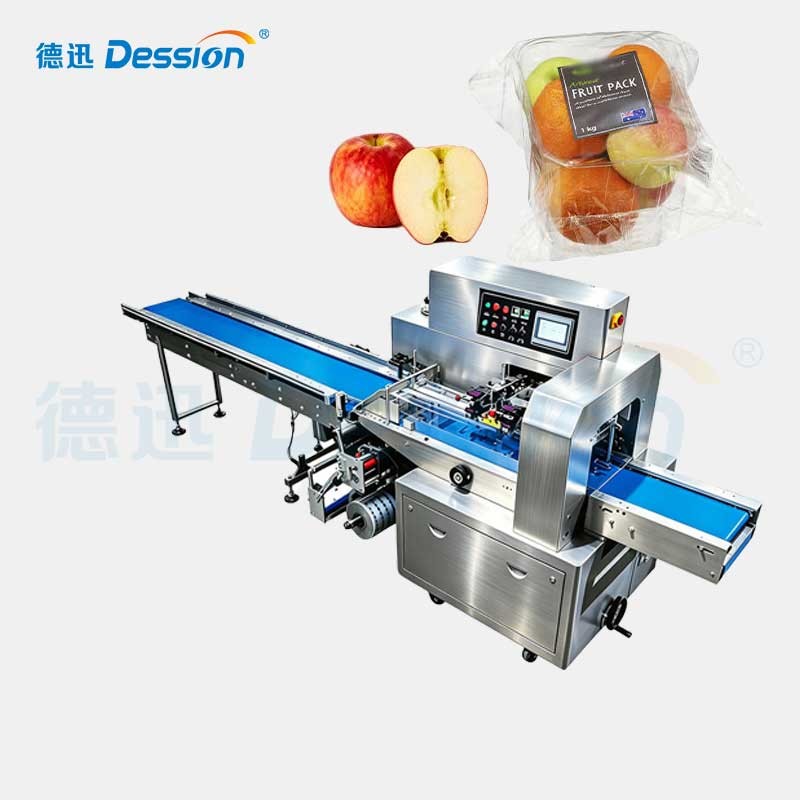
High Speed Automatic Fruit Flow Packing Machine
High Speed Automatic Fruit Flow Packing Machine. Confirm the product, pack format and scope with LINEVO.
View configuration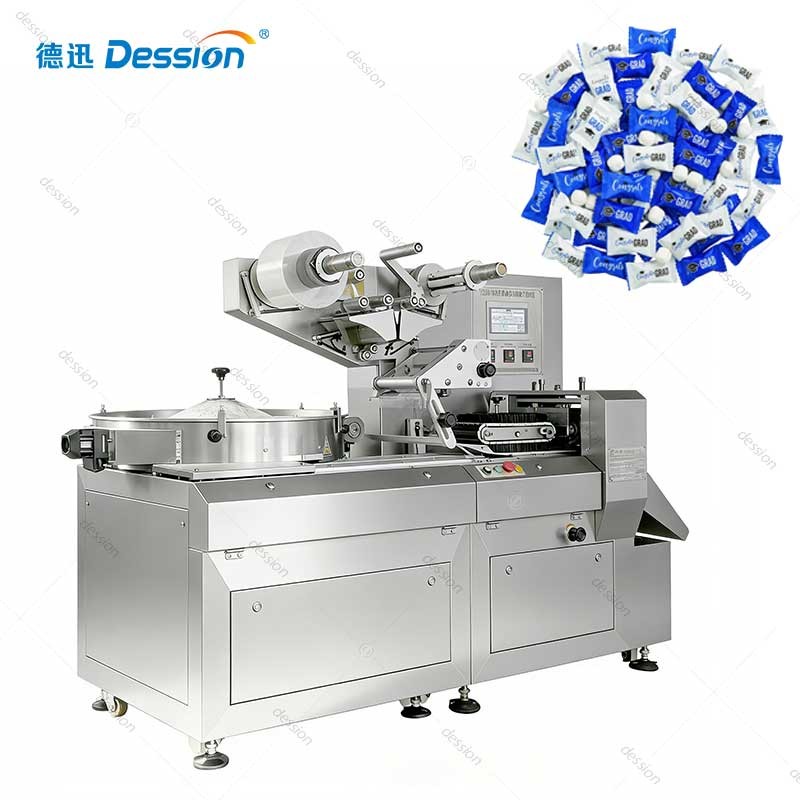
High-Speed Candy & Confectionery Horizontal Flow Wrapper
High-Speed Candy & Confectionery Horizontal Flow Wrapper. Source-listed applications: Confectionery & Candy Processing Plants.
View configuration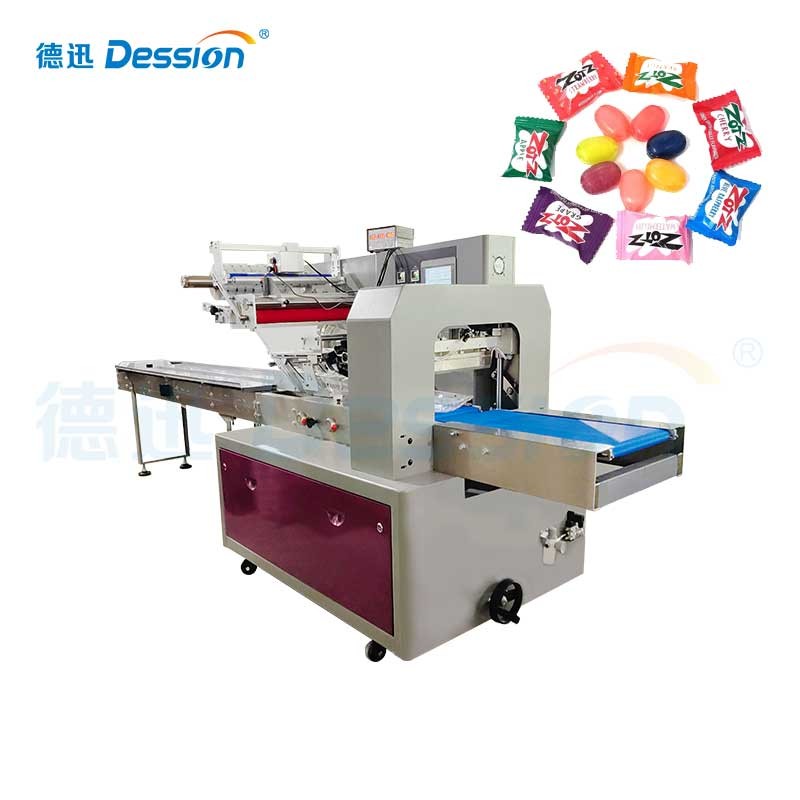
LV-250B/D — High-Speed Candy Packaging Machine
High-Speed Candy Packaging Machine. Confirm the product, pack format and scope with LINEVO.
View configuration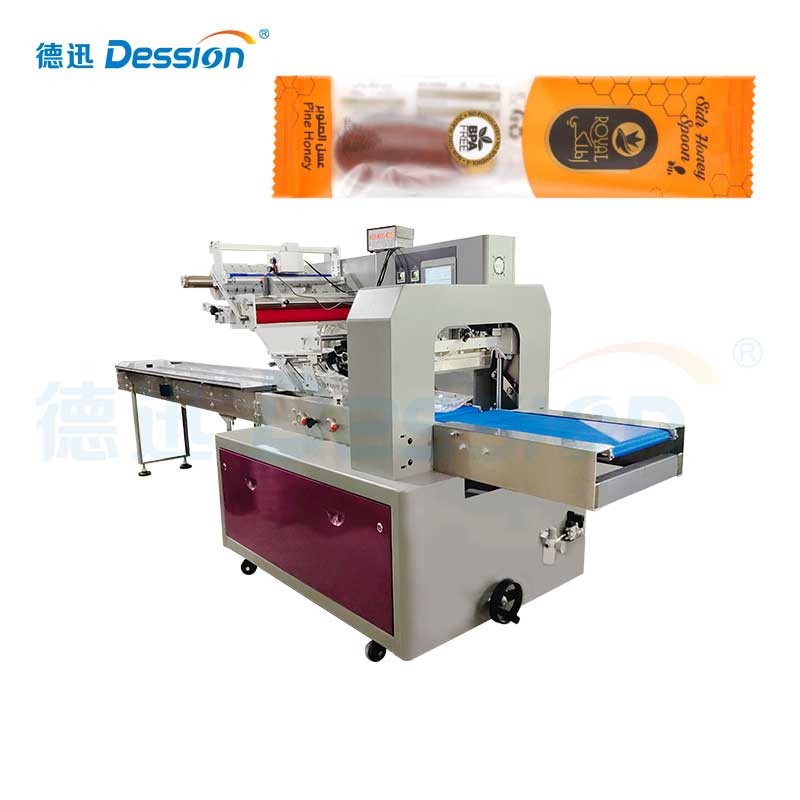
LV-250B/D — Honey Spoon Outer Bag Packaging Machine
Honey Spoon Outer Bag Packaging Machine. Confirm the product, pack format and scope with LINEVO.
View configuration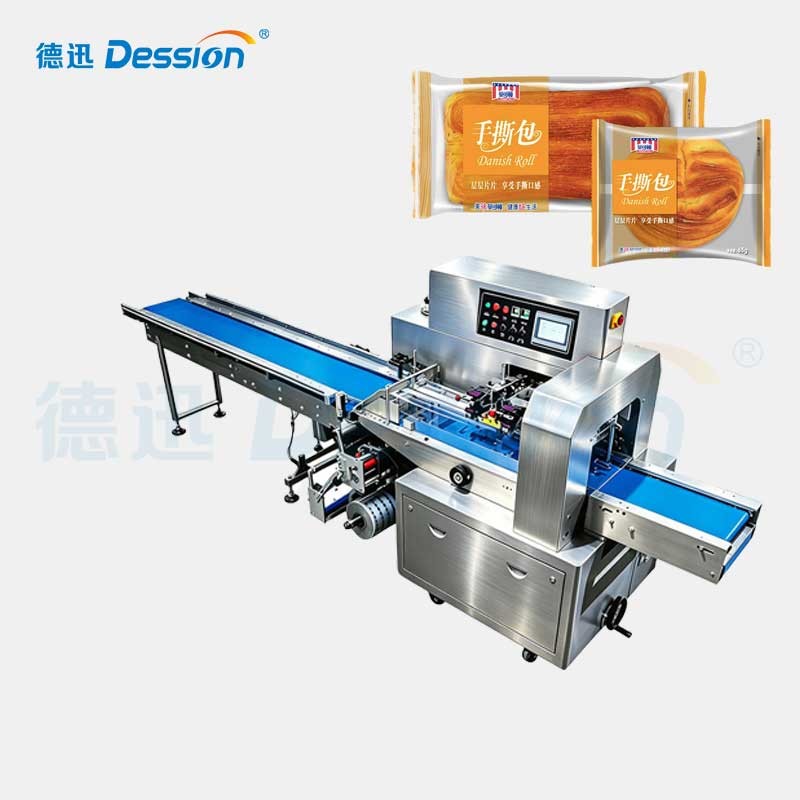
Horizontal Automatic Bread Bag Packaging Machine
Horizontal Automatic Bread Bag Packaging Machine. Confirm the product, pack format and scope with LINEVO.
View configuration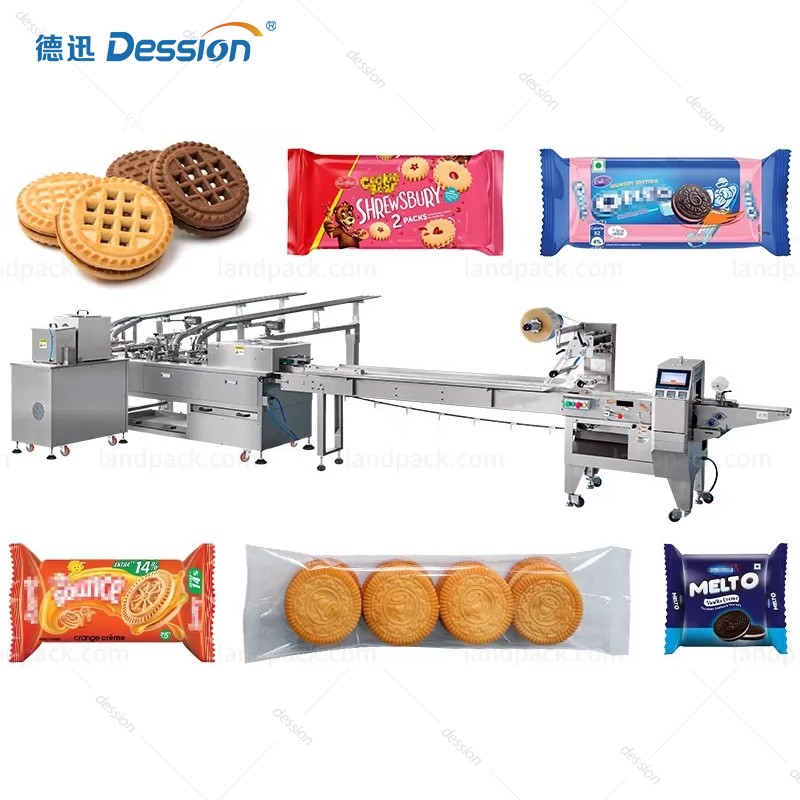
Industrial Biscuit Packaging Line: Precision Handling & Fast-Sealing Solutions
Precision Handling & Fast-Sealing Solutions for Industrial Biscuit Production. Confirm the product, pack format and configuration with LINEVO.
View configuration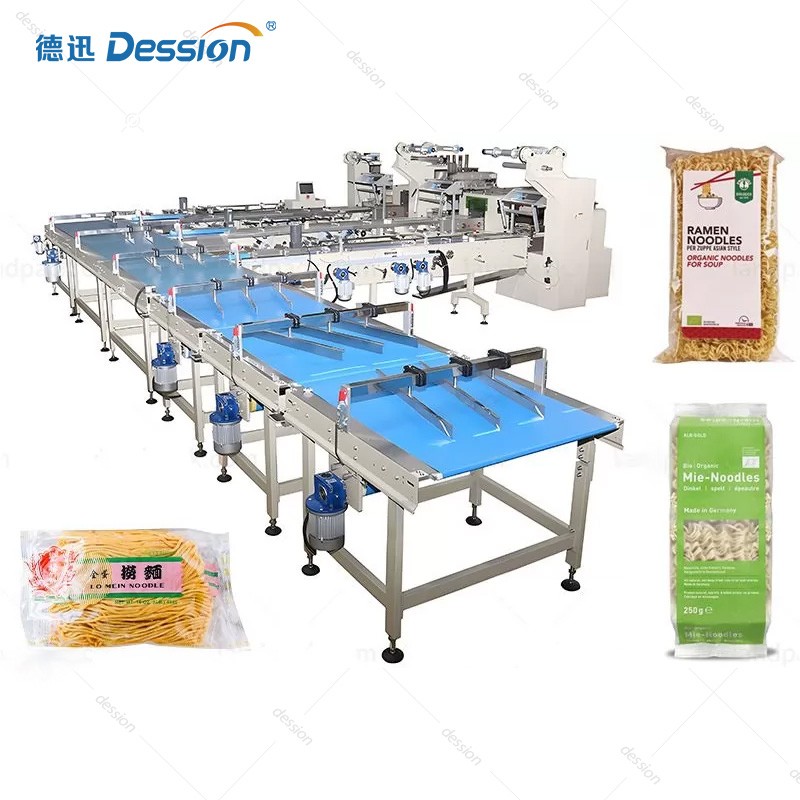
Industrial Instant Noodle Processing & Packaging Line: High-Speed Integrated Solutions
High-Speed Integrated Solutions for Industrial Instant Noodle Production. Confirm the product, pack format and configuration with LINEVO.
View configuration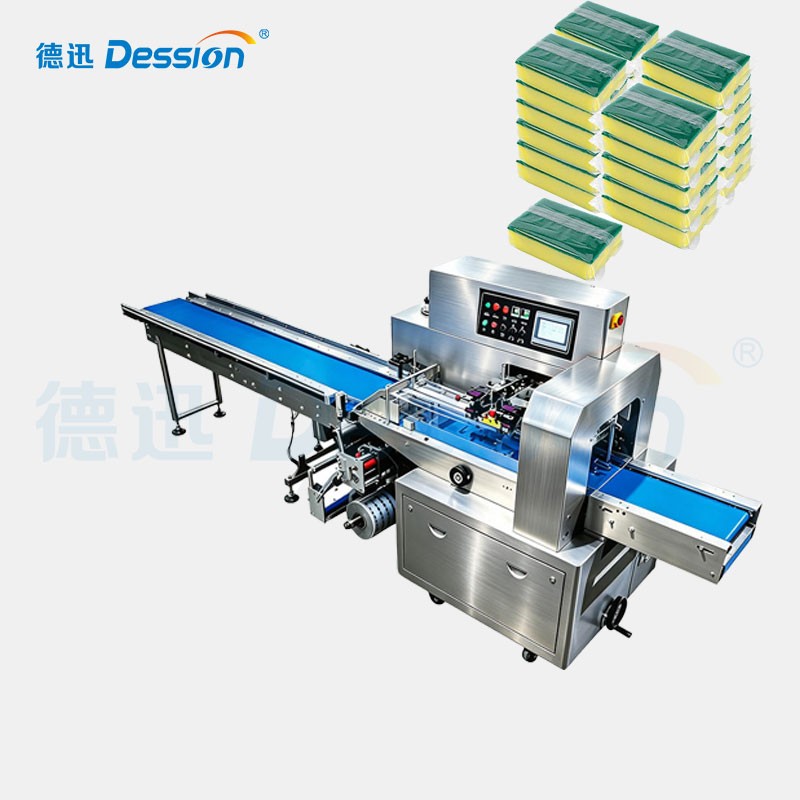
LV-250X — Kitchen Cleaning Sponge Horizontal Packing Machine
Kitchen Cleaning Sponge Horizontal Packing Machine for soap, paper towels/wet wipes, disposable masks, disposable toothbrushes, razors, scouring pads.
View configuration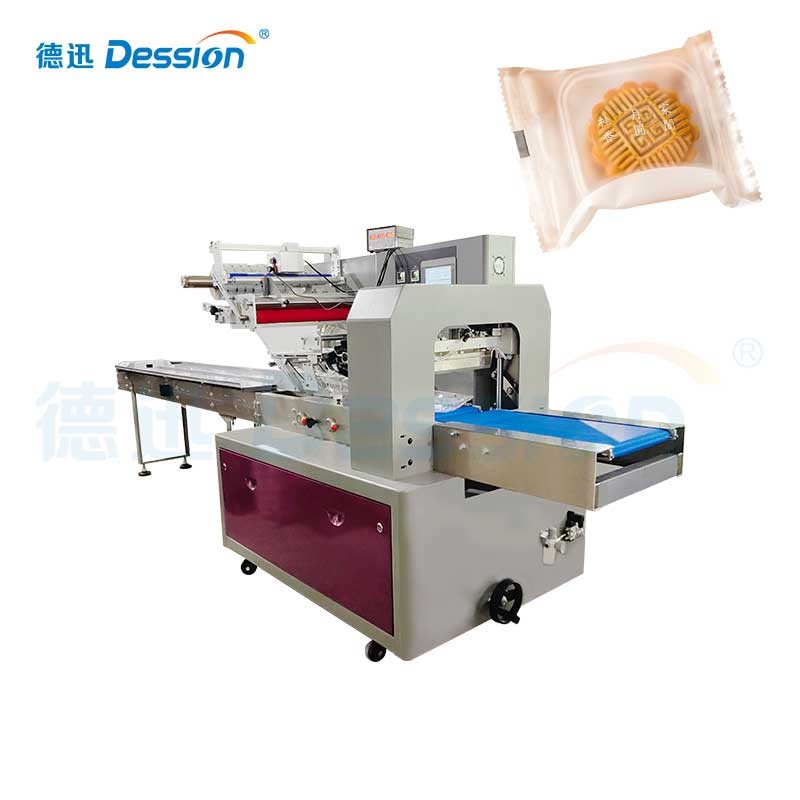
Mooncake Packaging Machine
Mooncake Packaging Machine. Confirm the product, pack format and scope with LINEVO.
View configuration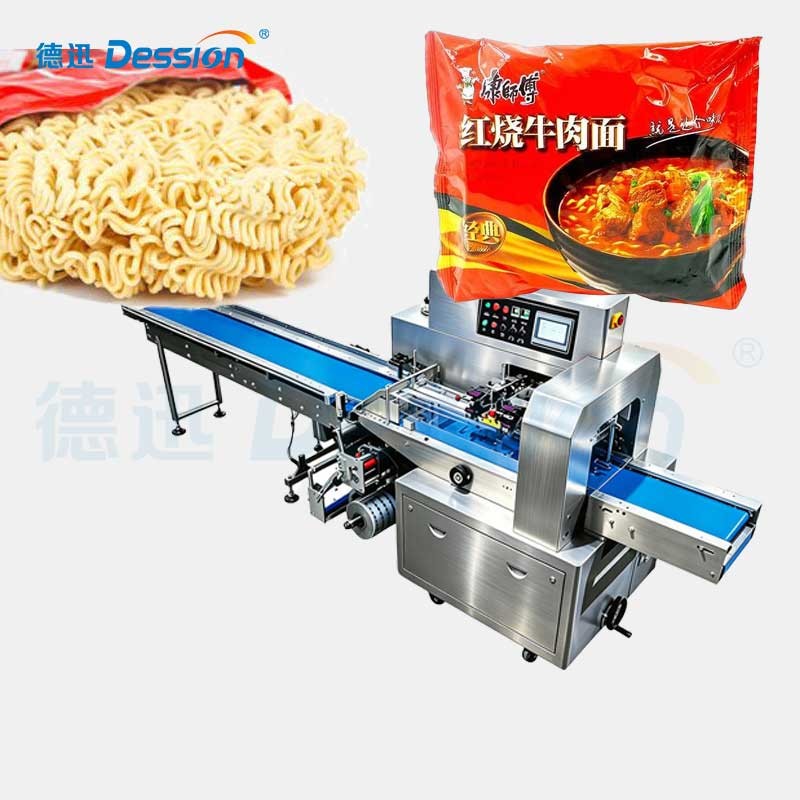
Multi Function Horizontal Flow Pack Instant Noodle Packaging Machine
Multi Function Horizontal Flow Pack Instant Noodle Packaging Machine. Confirm the product, pack format and scope with LINEVO.
View configuration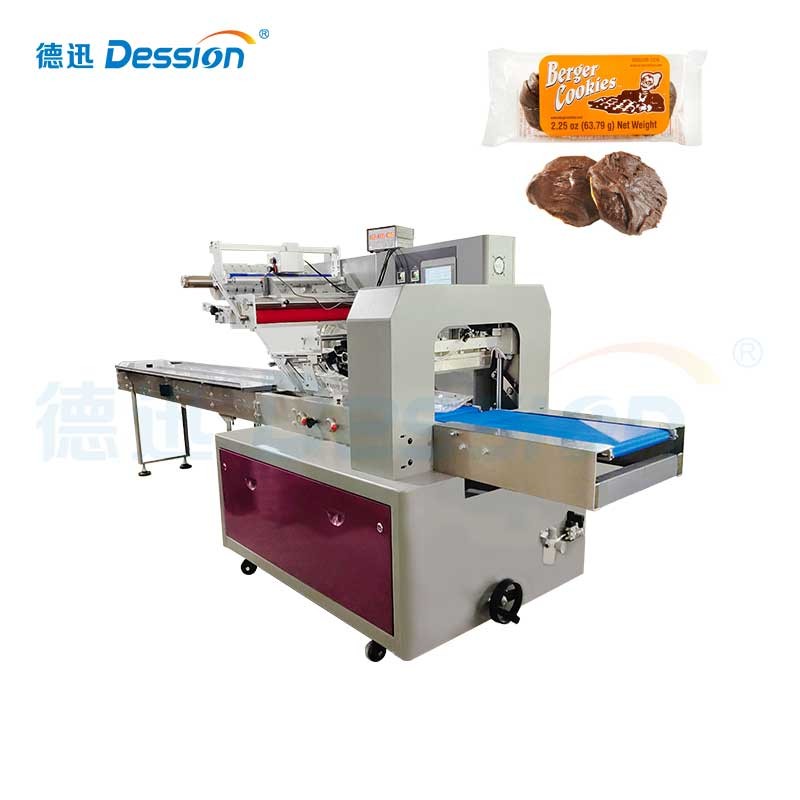
LV-250B/D — Nutty Chocolate Flow Packaging Machine
Nutty Chocolate Flow Packaging Machine. Confirm the product, pack format and scope with LINEVO.
View configuration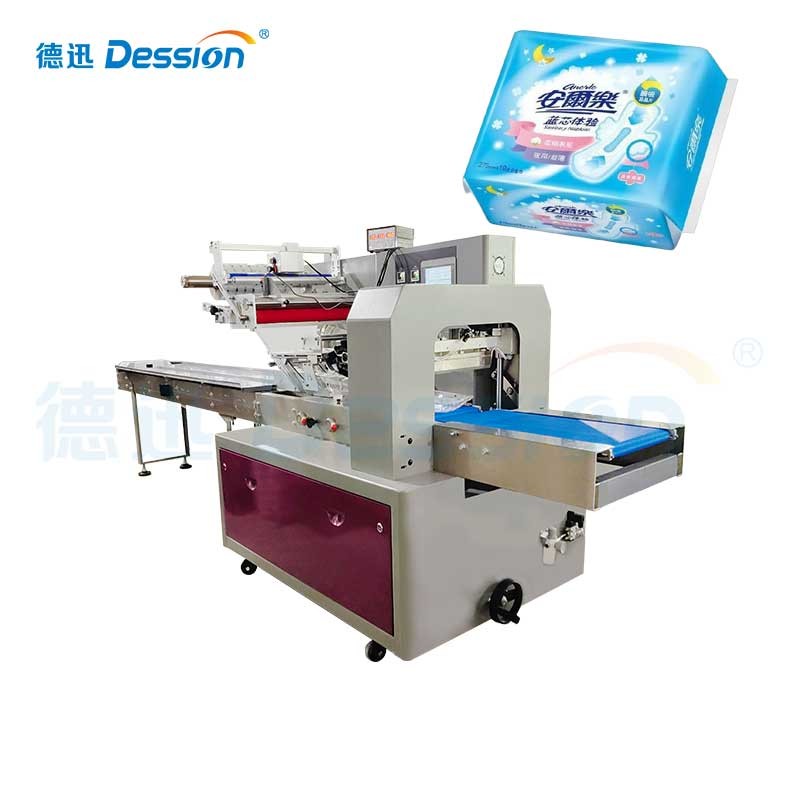
LV-250B/D — Simple Operation Sanitary Napkin Packaging Machine
Simple Operation Sanitary Napkin Packaging Machine. Confirm the product, pack format and scope with LINEVO.
View configuration